How To Promote Safe Teen Driving

With graduation season kicking off, now is the perfect time to remind your children and loved ones about safe teen driving. They have a 3 ton (or heavier) hunk of steel going 55 mph down the road. Make sure they think of their safety, and the safety of those around, them every time they get in the car. Below are a few talking points to go over with them.

Safe Teen Driving Tips

  • Safe teen drivingAlways use your seat belt, even if you’re just going for a short drive down the block – it’s the law!
  • Never drive under the influence of drugs or alcohol. Remember that prescription medications can impact your driving too.
  • Avoid driving at night if you don’t have much experience behind the wheel.
  • Watch the forecast to avoid any inclement weather.
  • Always try to stay at least two seconds behind the vehicle in front of you. This can help give you more reaction time in the event of an emergency. Never use your cellphone in your car.
  • Never talk or text while driving, it can wait.
  • If you ever feel uncomfortable or unsafe on the road, pull over somewhere safe.
  • Obey the speed limit
  • Never reach for something in the car while driving, a lot can happen in the few seconds your eyes are away from the road.

One more thing, many auto insurance companies also offer discount for good grades. It’s as simple as providing your insurance agent with a copy of your kid’s grade card. Stop by our office and review your auto insurance policy with your agent today to make sure you are receiving all available discounts. (Click here for more information about auto insurance)

The best way to ensure child is practicing safe driving is to practice safe driving yourself and to talk to them.

Remember Stop the Texts, Stop the Wrecks!

How To Set The Mirrors On Your Car

How to set the mirrors on your car

Mirrors are on your car to prevent blind spots. Knowing how to set outside mirrors to eliminate blind spots is a crucial part of being a defensive driver. While almost all vehicles come equipped with two outside mirrors, many drivers do not set the properly, making it almost like the vehicle has no mirrors at all. We have a few pointers on how to set the mirrors on your car.

Mirrors - Rinehart Insurance

Position Your Mirrors

The following procedures for correctly positioning mirrors will help you eliminate blind spots and avoid potential vehicle accidents.

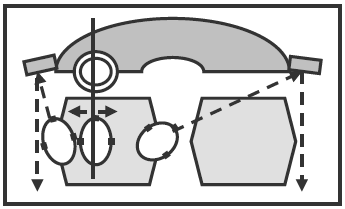
To start, park your vehicle and place your head against the driver’s side window. Set the mirror so you can just see the side of the car. For the passenger’s side mirror, position your head at the middle of your vehicle. Again, set the mirror so you can just see the side of the car.

Checking Your Blind Spot

This method should ensure that the mirrors are positioned outward enough to eliminate blind spots, but you should also double-check to be 100% sure. To do this, sit in a normal driving position and watch the mirrors as a vehicle passes by. It should appear in the outside mirror before it leaves the inside mirror. And it should appear in your peripheral vision before leaving the outside mirror.

In addition to using your mirrors, you should also physically turn your head over the appropriate shoulder to double-check your blind spot prior to changing lanes. We do more than help you avoid claims and arrive at your destination safely. 

Click here to learn about auto insurance.

6 Important Safety Tips for Senior Drivers

senior drivers

As we get older we get wiser, and for some of us that wisdom brings along with it the realization that we just can’t do some things like we used to. The key is realizing that you may need to take some extra precautions to ensure the safety of yourself and those around you on the road. That is why we have complied this list of tips for senior drivers. 

Driving Tips for Senior Drivers

  1. Avoid driving during rush hour. The traffic is usually heavy, and other drivers can be impatient.
  2. Avoid driving at night or in bad weather, especially if your vision is limited.
  3. Consider taking a safety driving course for seniors. These refresher classes will help you to brush up on your skills and meet some new people.
  4. Plan your route before leaving the driveway. Know exactly where you want to travel and how you need to get there. If you are unsure about your route, get exact directions.
  5. Keep yourself in good health by doing the following:
    • Exercise your upper body to keep it flexible. This will help you look over your shoulder at your blind spot.
    • Get regular vision checkups and have your lenses updated if you wear glasses and have a prescription change.
  6. Remember that certain medications or a combination of medications can cause drowsiness or fatigue. Talk with your doctor about potential side effects to medications you are taking, even those that are over-the-counter.

Safety First

Plan ahead for when you can no longer drive yourself around. Talk with family and friends to learn more about alternative ways to travel, such as public transportation and ride service programs. Or, establish a plan with your loved ones regarding how you will travel once you can no longer drive safely on your own.

Don’t Forget to Review Your Insurance Coverage

If you are not completing an annual review with your agent, you need to. Age could affect your auto insurance rates and coverage. Make sure your plan fits your needs. You can click here to learn more or give your agent a call today at 800-837-9969. 

Know The Truth To 8 Common Car Insurance Myths

car insurance myths

car insurance mythsAuto insurance can be complex and difficult to understand. With all the information available to policyholders, it can be challenging to decipher the facts from car insurance myths. Knowing what’s covered under your auto policy and the factors that determine your premium is crucial. What’s more, not understanding your coverage may lead you to believe you’re covered when that may not be the case.

To help clear up any misinformation surrounding your auto insurance policy and put your mind at ease, provided below are eight of the most common car insurance myths—debunked:

1. The color of your vehicle can affect your car premium.

Despite popular belief, the color of your vehicle has no impact on your auto insurance costs. When insurance companies are factoring your car into your insurance policy, they’re looking at the other components of your vehicle, such as:
• The vehicle’s safety features and ratings.
• The vehicle’s make, model, year, body type and engine size.
• The likelihood that the car will be stolen or vandalized.
• The cost to repair or replace the vehicle following an accident.

2. If someone else is driving your car and gets into an accident, their insurance will cover any damages or injuries.

The insurance held by the owner of the vehicle is typically considered the primary insurance in the event of an accident. So, regardless of who was driving when the incident occurred, the vehicle owner’s insurance is what will serve as the primary coverage to help pay medical bills or damages.

3. Your credit score has no effect on your insurance rates.

Your credit score is a significant factor insurance companies consider when they determine your premiums. Your credit score can show insurance agents how well you manage your finances and how likely you are to file an insurance claim. People with good credit tend to pay less for their car insurance since they are seen at a lower risk.

4. The minimum amount of liability coverage required by your state is adequate.

Of all the car insurance myths, this is one that is extremely important to understand. Although purchasing the minimum amount of coverage required by law may reduce your premiums, you may pay more out-of-pocket in the event of an accident. In many cases, it is advisable to select limits that are above your state’s minimum requirement. Severe accidents can be very costly when you consider the rising cost of medical expenses, court settlements and vehicle repairs. Liability coverage gets broken down into two basic segments:

  • Bodily injury liability coverage: Can help cover any medical bills that may come from an accident if you are found at-fault. Within bodily injury liability there are two subcategories:
    o Per-person limit is the maximum your insurance will pay per person.
    o Per-accident limit is the maximum amount of bodily injury your insurance will cover per accident.
    Property damage liability coverage: Covers any damages to a person’s personal property.

5. If your car is totaled, insurance will pay for your new car.

If your insurance reimburses you for a covered total loss, such as your car being totaled, depreciation is taken into consideration. Depreciation is the decreased value of an item over time from the age of the property or wear and tear. Depending on your type of coverage, you may get money for your totaled vehicle, but it will most likely not equal the original purchase price.

6. Personal auto insurance also covers business use of your vehicle.

Driving a vehicle for business purposes has its own set of risks, which requires different types of coverages that your personal auto policy may not cover. If you are using your vehicle for work or driving for a rideshare service like Uber or Lyft, you should check with your insurance agent to confirm that you are properly insured.

7. The more expensive the car, the more it costs to insure.

The price tag on your vehicle doesn’t necessarily determine your insurance costs. However, how much your vehicle costs to repair, the vehicle model’s loss history and other characteristics can influence your premium. If your car model is associated with more accidents or traffic infractions, or is costly to repair, it may be more expensive to insure.

8. Getting a traffic violation will automatically increase the price of your premium.

Getting one traffic violation doesn’t always lead to a higher premium, especially for minor incidents. However, if your violations become more severe or you continue to accumulate tickets, you will probably begin to see an increase in your insurance premium. Maintaining a clean driving record following a violation will help alleviate some of the financial repercussions.

Get the Facts

With all of the of false information surrounding auto insurance, it’s best to work with a trusted insurance professional. Contact Rinehart, Walters & Danner today to get a clearer understanding of your auto insurance options. We can help you better understand these common car insurance myths. 

Click here to contact us today.

What All Newlyweds Need To Know About Insurance

newlyweds

newlywedsChoosing insurance may not be as romantic as deciding where to go on your honeymoon, but it is one of the most important things you can do as newlyweds. Although most couples are aware of the need to readdress their insurance needs when they get married, there is a disconnect between that awareness and whether they take action.

Use the considerations in this article as a way to start a discussion about your insurance needs. Rinehart, Walters & Danner can then help you narrow down your options.

Auto Insurance

If you and your spouse have separate auto insurance policies, it may be wise to combine them. Get quotes from each of your carriers, and shop around to see if any others offer multivehicle discounts.

Life Insurance

Newlyweds who both have jobs and are not yet dependent on their spouse’s income may not see the need for life insurance. However, as they build their lives together, that dependency grows. If you’re young and healthy, you can benefit from getting life insurance early in your marriage. Typically, you can lock in better rates than if you were older. Remember that the older you get, the higher the rates, so don’t put it off for too long.

While life insurance is less urgent for young couples who are both working and don’t have children, it is important for newlyweds with only one working spouse or those who have children from a previous marriage to purchase life insurance early in their marriage.

If you already had life insurance prior to tying the knot, don’t forget to add your new spouse as a beneficiary.

Disability Insurance

Young people are more likely to become disabled than die prematurely. In fact, more than half of Americans identified as disabled are in their working years—between ages 18 and 64— according to the Council for Disability Awareness.

Disability insurance is historically inexpensive, and can pay you between 50%-70% of your regular monthly income if an accident, illness or injury prevents you from being able to work. If your employer doesn’t offer disability insurance, you can purchase it on your own. This coverage can be critical for you and your loved ones.

Health Insurance

Don’t make the mistake of declining health insurance, even if you and your spouse are healthy. An illness or emergency can cause newlyweds financial hardship that could have been prevented with health insurance. If you and your spouse both have health insurance through your employers, you can maintain separate plans, but it may be cheaper to be on the same plan. Doing so can help you reach your annual deductible more quickly.

Certain life events, such as marriage, allow you to join your spouse’s plan as long as it is within the required time frame. If you decide to share a plan, compare both employers’ coverage and costs to determine which plan best fits your health needs and finances. Be sure to consider each plan’s deductibles, coinsurance, copayments, coverage limits, prescription coverage and choice of health care providers. Remember that if you have a preferred doctor, you’ll want to make sure he or she is in your network.

Don’t panic if employer-sponsored health insurance is not an option for you. Coverage is available to everyone through the Affordable Care Act. You can visit https://www.HealthCare.gov to review and select a plan through the health insurance marketplace, either during open enrollment or within 60 days of getting married. Or, you can contact one of our health insurance specialist and they can assist you with this process. Timing is restrictive so it is important you check into this promptly. 

Renters Insurance

If you rent your living space, you should consider renters insurance to cover the value of your possessions. If you already have renters insurance, don’t forget that you have more to lose now that you have combined belongings, such as furniture, electronics and jewelry. Consider increasing your limits on personal property coverage, which pays to replace or repair items that are stolen or damaged.

Homeowners Insurance

Homeowners insurance is similar to renters insurance, but it covers more than just your possessions. It also covers your home in case of fire, theft or other perils. Both renters insurance and homeowners insurance also provide liability coverage.

Shop Around for Coverage

Addressing your insurance needs early provides a solid foundation for your marriage. Review your financial situation and objectives with your spouse. Then contact Rinehart, Walters & Danner to help you find sufficient coverage within your budget.