Car Seat Safety

Child Seat Safety - Rinehart Insurance

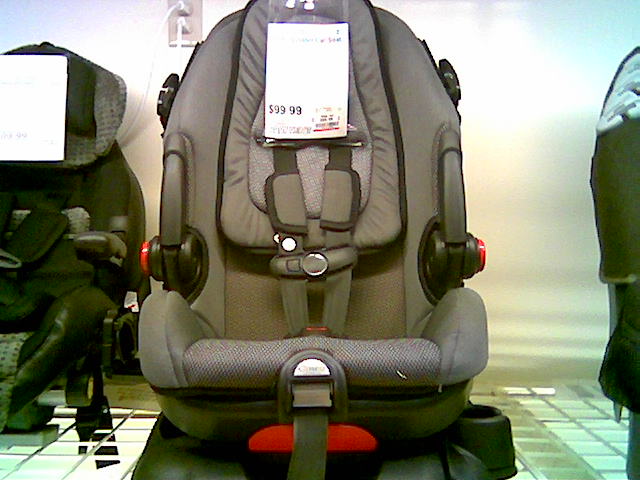
Car seat safety is the key to keeping your child safe in the case of an accident. If the seat is not properly installed, it may not protect your child the way it is supposed to in the event of an accident. According to the National Highway Traffic Safety Administration (NHTSA), 3 out of every 4 car seats are used incorrectly. That’s a shocking number of potential child injuries because of incorrectly installed child seats. We have a few car seat safety guidelines to follow for the best protection for your child.

Infants (Birth to 1 year and/or less than 20 pounds):

  • Use a rear-facing, infant-only seat. Seats should be secured to the vehicle by the seat belt or by using the LATCH system (strap system required on all child seats manufactured after Sept. 1, 2002).

Infants (Less than 1 year and 20 to 35 pounds):

  • Use a convertible seat facing the rear of the vehicle.
  • Seat should be secured using the LATCH system.
  • Do not use this seat in the front of your vehicle where an airbag is present.
  • Child seat should be reclined at a 45-degree angle.
  • Harness straps should be at or below shoulder level.

Toddlers (1 to 4 years old and at least 20 to 40 pounds):

  • Use a face-forward convertible seat, forward-facing only seat or high back booster/harness.
  • Seat should be secured using the LATCH system or safety belts.
  • Harness straps should fit at or above the child’s shoulders
  • Child should be snug and the harness clip should be at armpit level.

Young Children (4 to at least 8 years old, unless the child is at least 4 feet 9 inches tall):

  • Use a belt-positioning booster or high back belt-positioning booster.
  • Always use the lap and shoulder seat belt
  • Use the booster in the back seat only.
  • Belt should rest across the child’s chest and on his/her shoulder.
  • Lap belt should rest across the lap or upper thigh area.

Once you have the proper seat chosen and installed it’s time to get it inspected, usually for free. To find the nearest car seat inspection station, go to www.safercar.gov/cpsApp/cps/index.htm

Having an auto accident is hard enough, but having an injured child can make things so much harder.

Image Source: Jonathan Brodsky Flickr.com


Snowmobile Coverage…Yes You Need It

Dashing through the snow, in a brand new snowmobile… Well, that may not be how the song goes but you get the point. Whether Santa was extra good to you or you’re just taking advantage of time off of work & school, now’s the time to be outdoors playing in the snow. You may thing that since you don’t drive the snowmobile on the road you don’t need “snowmobile coverage” or insurance on it. Well…you may want to think again.

What happens when you have a friend on the back and your friend falls off? Or you run over your neighbors mailbox? A typical snowmobile policy should include the following coverage’s:

•       Bodily injury and property damage liability – Covers liability for an accident involving injury to other people or property, up to your liability limits.
•       Comprehensive and collision coverage – Pays to replace or repair your snowmobile if it is stolen or damaged, regardless of who is at fault.
•       Uninsured/underinsured motorist coverage – If you get into an accident with someone who is uninsured or underinsured and you were not the at-fault party, the policy will pay for your medical treatment.
•       Roadside assistance – Covers the labor needed for repairs and towing to the nearest repair facility if your snowmobile is disabled.
•       Medical payments
Do you have an uninsured snowmobile? Call us today to make sure you and your family are properly protected.
Image source: Timo Newton-Syms, Flickr.com                        

The Risks of Employee Cell Phone Use While Driving

Trophy Case

In today’s technology dependent world, it’s probably safe to say the majority of working adults have cell phones. It may also be safe to say that many of those adults may use their cell phones for work related tasks. We’ve all heard the media surrounding the risk of cell phone use while driving. According to John Hopkins University, as individuals focus on listening and engaging in conversation, the activity in the visual part of the brain decreases, even while using a hands-free device.*
If you have employees driving on company time, you could be held liable if they cause or are involved in an accident. Look at this case study for example:
               A Georgia employee making a business call while
               driving hit and caused serious injury to another
               driver. The employee’s company agreed to pay $5
               million in damages after the court found that the
               company was liable since the employee was making a
               business-related call.
How would you like to be that employer? I’m betting your answer is you wouldn’t. While you can’t guarantee defense to liability, you can lessen your risk by developing cell phone use policy, educate your employees about the dangers, and require written acknowledgements from employees verifying they understand what is expected of them.
Need help getting a policy in place? We can help, call us today 419-522-9892 to get started.
Image Source: TalkingDC, Flickr

* Multitasking: You Can’t Pay Full Attention to Sights, Sounds, John Hopkins University, June 2005

A Winter Workout Without A Trip To The Gym

Trophy Case

Finding the motivation and time to get to the gym can be hard enough without factoring in winter weather and the rough conditions that come with it. Don’t stress yourself out worrying about getting to the gym, just stay home! Just because you can’t get to the gym doesn’t mean that you can’t workout. Here are some tips for a winter workout without a trip to the gym.

Clear a space. This doesn’t need to be a large space, just enough room where you can move without bumping into something.

Keep it simple. You don’t need to break out any equipment. You can do plenty of exercise such as push-ups, crunches, yoga or even pilates that require no equipment.

Think fun. When you’re at home you don’t have to worry about anyone watching. Turn up your favorite songs, dance a little, make it fun.

Set a timer. Because you’re at home it can be easy to get distracted. Set a timer and focus on just working out until the timer goes off. The dishes and dusting can wait until you are done.

Save your sanity and your car from a possible accident and auto claim, and stay off of the treacherous winter roads.

It’s Beginning To Look A Lot Like Christmas

Rinehart Christmas Tree

We’re all decorated and waiting for Santa! If you’re in the area stop in and say hi. While your here have you had your insurance coverage reviewed lately? Even minor lifestyle changes can have an impact on your insurance premiums. Set up an appointment today with one of our Agents or CSRs to make sure you and your family are properly covered.

Daylight Savings And Your Smoke Detector

Sunday November 2, 2014 marks the end of Daylight Savings Time. The beginning and ending of Daylight Savings is a great reminder to check your smoke detector.  Smoke detectors are one of the most important safety devices you can install in your home. They are inexpensive and easy to install, but don’t install and forget about them. To ensure your smoke detectors are properly working make sure to test them on a regular basis. A few things to test:

  • Push the test button and wait for it to sound.
  • Light a candle and hold it six inches below the detector so the heated air will rise to the detector. If the alarm does not sound in 20 seconds, blow out the candle and let the smoke rise.
  • If you alarm does not sound, replace the battery and try again. If it still does not sound, replace the detector.

Protecting your family and helping you avoid claims is just one of the value-added services we provide. Call us today to learn more.

Image source: Flickr

Sleep Tips for Truck Drivers

Truck drivers spend countless hours on the road making pick-ups and deliveries worldwide. The trucking industry is a 24 hour a day / 7 day a week / 365 day a year operation. With the tight deadlines many drivers experience it’s no surprise it’s a constant struggle to get enough sleep. Good sleep is just as important as proper nutrition and exercise, and without enough sleep your body can experience side effects such as slower reaction time or other health conditions such as high blood pressure.

Because trucking is a 24/7 job, it helps to have some sleep routines to help improve your quality of sleep.

  • Make your sleep environment as quite and comfortable as possible. Block out light with curtains or truck shades, block out noise with earplugs, keep your cab or bedroom temperature comfortable, and invest in a good mattress and pillow.
  • Avoid before bedtime: heavy or spicy meals (2-3 hours before bed), liquids (so you don’t need to get up and use the bathroom), caffeine, Nicotine, and exposure to light from television or electronics-studies show that light from these devices can disturb your sleep.
  • Unwind before bed. Driving a truck is a stressful and demanding job. Follow a relaxing routine within an hour or so before bedtime. This will signal to your brain that it is time to sleep.
  • Do you have a sleep disorder? Sleep disorders such as insomnia and sleep apnea are more common than many people realize. You should see your doctor if you sleep for 7-9 hours but experience the following – take more than 30 minutes to fall asleep, awaken several times during sleep for long periods of time, take frequent naps, or often feel sleepy, especially at inappropriate times.

According to the CDC most drowsy driving crashes or near misses occur during:
4:00 am – 6:00 am
Midnight – 2:00 am
2:00 pm – 4:00 pm
Use CAUTION when driving at these times.

Whether you are a truck driver yourself, have a loved one who is a truck driver or are a business owner that employs truck drivers, taking or sharing these tips can help someone who makes a living on the road.

Image Source: Adrian Van Leen, RGBStock.com


Ebola Outbreak Reaches U.S.

Trophy Case

If you have turned on the TV, computer or radio I would bet you’ve heard about the Ebola outbreak in West Africa, the worst in history. Now Ebola has made its way to the United States. With all the media attention I’m sure many of us still have the same questions – what is Ebola and do I really need to be concerned?

Ebola is an acute viral illness characterized by the sudden onset of fever, debilitating weakness, muscle pain, headache and sore throat. People often confuse the illness’ early symptoms with cold or flu symptoms. Ebola is not a respiratory disease like the flu, so it is not transmitted through the air or through contaminated food or water. Ebola can only spread to other humans via contact with their bodily fluids, including saliva, sweat, blood and vomit, so people can only get Ebola from touching the bodily fluids of a person or animal that is sick with or has died from Ebola, or from exposure to contaminated objects, such as needles.

Though the Ebola outbreak has shown up in America, health officials have stressed repeatedly that the general public is at very low risk for contracting the virus, and they are instructing health workers on the proper precautions to take if they are called upon to treat an infected patient. Even though we have been advised we are at low risk, there are some steps you can take to protect yourself against Ebola:

  • Wash hands frequently or use an alcohol-based hand sanitizer.
  • Avoid contact with blood and bodily fluids of another person, especially someone who is sick.
  • Do not handle items that may have come in contact with an infected person’s blood or body fluids.
  • Seek medical care immediately if you develop a fever and any other of the following symptoms: headache, muscle pain, diarrhea, vomiting, stomach pain and unexplained bruising or bleeding.

Want to know more? The Centers for Disease Control and Prevention (CDC) has a page dedicated to Ebola information.


Safe Walking and Cycling

Trophy Case

 
Sign - Rinehart Insurance
It’s getting cooler out, however many people choose to walk or bike instead of driving when possible. If this is your choice of transportation, we have some tips to share with your for safe walking and cycling.
When walking:
  • Always cross at marked crosswalks so cars are aware of your presence.
  • Make sure drivers know you are about to cross by making eye contact with them.
  • Don’t just look left and right – pay attention to cars that may be turning at intersections.
  • If you’re walking at night, wear bright or reflective clothing.
When riding a bike:
  • Always make sure you have enough room to avoid being sideswiped by nearby vehicles.
  • Use hand signals when turning or stopping so that drivers know what you are about to do.
  • Wear bright or reflective clothing so that you catch drivers’ attention and they know you are there.
  • Be attentive and slow down slightly when nearing intersections.

Image source: Michal Zacharzewski, rgbstock.com


Spread The Word: October is Breast Cancer Awareness Month

Breast cancer
Research estimates that 1 in 8 women will be diagnosed with invasive breast cancer at some time in their lives.* Many of us can already relate with this statistic, either personally being affected by breast cancer of by having someone close to us diagnosed with this disease. October has been dedicated as Breast Cancer Awareness Month to not only educate people about this disease but to spread the importance of early detection.

When breast cancer is detected early, the 5-year relative survival rates is 98%.** Self exams, clinical exams and mammograms are vital for early detection. Did you know most health insurance plans cover preventive exams and mammograms at no cost? Notify your Dr. if you notice any lumps or changes that are out of the ordinary.

Want more information? Some great sites to visit include:

* www.Breastcancer.org
** www.komenadvocacy.org