
3 Tips For An Injury Free Workout

workout

workout

Exercise is a great way to combat stress, lose weight and boost your energy. To get the most from your workout, it is important that you add warming up, cooling down and stretching to your exercise routine. These three simple steps are proven to prevent painful and costly injuries later.

Warming Up

Warming up allows your body time to adjust from rest to activity. It increases blood flow to the muscles so they stretch easily, reducing the risk of muscle tears. It also lubricates joints and carries oxygen to the heart.
To effectively warm up:
• Use movements that are similar to those you will use in your workout, such as light calisthenics, walking, jogging, etc.
• Gradually increase the intensity of your warm-up.
• Don’t overdo it! Your warm-up should be about 15 minutes and intense enough to cause a light sweat.

Cooling Down

As with warming up, cooling down should include movements similar to those in your workout, but at a gradually decreasing level of intensity.

Stretching

After cooling down, stretching helps to build flexibility and range of motion. When stretching:
• Use gentle and fluid movements and breathe normally.
• Work specific parts of your body, maintaining each stretch for 20 to 60 seconds.
• Never force a joint beyond its normal range of motion; you should not feel any pain.

Workout Healthy Hints

Many muscle and bone injuries are the result of skipping a warm-up and cool-down before and after exercise. Remember, preventing an injury is easier, cheaper and less painful than trying to recover from one.

Important Information You Need To Know When Filing A Homeowners Insurance Claim

Homeowners insurance claim


Homeowners insurance claimDealing With a Homeowners Insurance Claim

If you’ve had a fire, water damage or another unfortunate event in your home, don’t fret. We have all the information that you need to get your claim underway so you can get your life back to normal.

When you have a homeowners insurance claim, your actions can make all the difference. Here’s how to maneuver through the claims process with ease:

  • If you were away from your home when the incident occurred, exercise caution when entering your property. If your property has sustained major damage, contact your local government officials to determine how you should proceed.
  • Report downed power lines to the utility company, and keep your electricity off if there is standing water in your home.
  • If it appears as though it is not safe to be at your home, leave.
  • Contact us to report how, when and where the damage occurred. Make a note of the claim handler’s name, telephone number and identification number when you call.
  • Protect your home from further damage without putting yourself in danger. This may include boarding up windows and salvaging possessions that did not sustain much damage. Your claim handler can advise you on how to do so safely
  • Prepare a list of damaged or lost items from your home.
  • Keep damaged items in your home until the claim handler has come for an inspection. Also, consider documenting the damage with pictures or video.
  • Provide receipts for damaged items if you saved them.
  • If you need to temporarily relocate, save all your receipts for additional expenses. Your policy may cover you for additional living expenses during this time.
  • Once you’ve reported your claim, the claim handler will send you some documents to complete within a specific period of time. Contact us if you have any questions, and return these forms promptly.
  • Contact your mortgage lender to notify them of your loss and to discuss potential contractor bids. Your lender may want to inspect a contractor’s job before making a final payment.

Let us help you throughout the process—contact us if you have questions or concerns. If you have not reviewed your homeowners insurance policy lately, please do so soon. It’s better to review your coverage before you need it. 

Click here to read more about homeowners insurance coverage. 


3 Things You Should Know About Sunglasses And UV Protection

sunglasses


sunglassesWhile spending time in the sun offers health benefits and may be part of your daily routine, you have to be careful to protect yourself from its ultraviolet (UV) rays. UV rays not only cause sunburn, but they can also damage your eyes and hurt your vision. This article provides more information about how the sun can hurt your eyes, when you should be wearing sunglasses and what you should look for when buying a pair.

1) The Risks of UV Radiation

There are two types of UV radiation you should be aware of when it comes to protecting your eyes: UVA rays and UVB rays. According to the Environmental Protection Agency (EPA), UVB rays are more likely to cause sunburn, but UVA rays penetrate deeper. However, exposure to either can damage your eyes. There are many medical issues that can arise from long-term exposure to UV rays. Wearing sunglasses can help prevent the following:

  • Photokeratitis—Sunburn of the eye
  • Cataracts—A disease that causes the lenses in the eyes to be cloudy and blurs vision
  • Macular degeneration—The loss of central vision caused by the breakdown of the macula
  • Pterygium—A growth that can form as a result of UV rays and dust and particles accumulating on the white part of your eye
  • Skin cancer—Cancer that develops on the sensitive skin around the eyes

While all of these diseases sound unpleasant, the good news is you can take meaningful action to help prevent them by properly wearing the correct sunglasses.

2) When to Wear Sunglasses

Much like sunscreen, you should always have your sunglasses nearby. UV rays are at their peak from 10 a.m. to 4 p.m., so it’s especially important to wear your shades if you plan on being in the sun during those hours. You should also be aware that even on cloudy days when you cannot see the sun, UV rays are still present and can cause damage if you do not take preventive measures. A useful practice is to take your sunglasses everywhere you would take your cellphone or wallet.

3) What to Look for in Sunglasses

When it comes to sunglasses, not all are created equal. It is important to find a pair that contains the key components that will actually provide the protection you need. Here are some considerations when shopping for sunglasses:

  • Make sure the sunglasses have a sticker or tag promoting their UV-blocking capabilities. According to the EPA, sunglasses with 99% to 100% UVA and UVB protection will greatly reduce eye damage from sun exposure.
  • Search for a pair with larger lenses and a wraparound style. These will not only protect your eyes but also provide more coverage for the delicate skin around the eyes.
  • Pay attention to the darkness level of the lenses. You should try to find a pair with the same level of darkness throughout the lens. However, if a pair has a gradient effect, make sure the darkest part is at the top of the lens, and the transition to the lighter part is slow.

It is important to remember that just because a pair of sunglasses covers your eyes, it does not mean it is providing protection. Effective options aren’t always the most expensive, but it is important to find the right pair. Be diligent when shopping for sunglasses to ensure you are best protecting your eyes.

Takeaway

The sun’s UV rays can cause damage to your eyes if you do not take precautions. Wearing sunglasses and making sure the sunglasses you choose are actually protective are important to ensure good eye health.


Prioritizing Wellness During the 2022-23 School Year

Wellness


WellnessMany may be excited for school to start after a long summer. However, the new school year can come with new and recurring challenges. The 2022-23 school landscape looks different from previous years during the COVID-19 pandemic. Mask mandates are on the retreat, with many schools ending preventive measures such as quarantines and regular screening tests. Additionally, COVID-19 vaccines and boosters are available to school-aged children.

Although the school year seems to be back to normal, caregivers, parents and children will likely still face uncertainty, stress and other emotions. The return to school and its associated routine can impact everyone differently; therefore, it’s worth taking a proactive approach to approaching wellness during this transition.

This article explores ways to care for yourself and your children during the school year.

Checking In With Children

Although schools, playgrounds and lunchrooms may seem more normal this school year, children may experience stress and uncertainty. Children may even engage in more social situations than in previous years during the pandemic, which can create different environments. 

As such, you should monitor your children for signs of anxiety or distress. Be on the lookout for changes in a child’s behavior and mood or physical symptoms, such as:

  • Increased defiance or irritability
  • Disturbances in sleep
  • Loss of appetite
  • Lack of concentration
  • Less energy
  • Sadness or crying
  • Nausea, muscle tension or dizziness
  • Refusal to go to school or engage in virtual schoolwork

If a child or others in the home shows any of these signs, they may have anxiety about their schooling situation. Children are resilient, but it’s still important to pay attention to signs of anxiety—and seek professional support if any warning signs persist.

Taking Care of Yourself

With school back in session, here are some healthy ways for working parents and caregivers to make the school year more manageable and balance their work and personal responsibilities:

  • Set reasonable expectations. Establish realistic expectations about what you think you can accomplish each day or week. Don’t be hard on yourself. Cut yourself some slack and focus on completing high-impact items and responsibilities.
  • Develop a schedule. Creating a routine that works around your work schedule and family needs is essential. Additionally, consider consolidating certain activities such as housework, chores or extracurricular activities to one or two specific days to help everyone stay focused.
  • Set boundaries. If you feel stretched thin between being a good caregiver and an efficient employee, it may be helpful to set some boundaries. Remember that you’re in control of how you’re expending your energy and can free up mental space to allow yourself to be more present where and when it matters.
  • Create healthy habits. Be sure to get plenty of sleep and eat well so you can be fully charged to take on the day. It’s also important to stay active and incorporate movement into your daily routine. It may help to schedule a workout first thing in the morning, during lunch or in the late afternoon so it will fit in around school.
  • Make good use of weekends. If school and work both happen on weekdays, be sure to use the weekends to recharge, reduce stress and have fun as a family. If you prefer alone time, make that a priority. Everyone needs a break from responsibilities, whether that’s work or school.
  • Ask for help. Lean on your networks for support if you need help getting through the workdays. With many extracurriculars and school programs back, don’t wait to ask others for help if you’re overwhelmed. Be honest and communicative with your family and co-workers if the current situation isn’t working well.

It’s also important to recognize your unhealthy coping methods and find alternatives such as meditating, exercising or talking with a friend.

Conclusion

Although school is back in session and starting to resemble the pre-pandemic days, caregivers and parents may still seem stretched thin balancing caregiving and working. Children may also feel overwhelmed with school and social aspects. You can explore healthy ways to cope with lingering uncertainty and make balancing all your personal and professional responsibilities manageable.

If you’re feeling stressed or experiencing burnout related to kids returning to school, talk to your manager about your situation and to learn more about employer-offered resources.

Additionally, talk to your doctor or a licensed mental health professional if you’re concerned about your or your child’s mental health.








Important General Liability Exposures Every Organization Should Know

General Liability


General LiabilityAlmost every organization faces commercial general liability exposures. A commercial liability loss exposure is a condition or situation that presents the possibility of an organization becoming legally and financially responsible for injury, harm or damage to another party. 

These exposures stem from the kind of work an organization performs and where that work is executed. They also encompass other aspects of business-related circumstances, activities or events that could result in harm to a third party.

Read this article to better understand the most common types of commercial liability loss exposures and potential consequences and for guidance on how the correct insurance policy can reduce the risk to organizations.   

Common Types of Commercial Liability Exposure to Know

There are five types of commercial liability exposure that every organization should know. Possible loss exposures that may affect an organization include the following:

  1. Premises liability—Premises liability describes the risk an organization faces if a customer or client is injured on the premises (e.g., tripping and hurting themselves at the store). Organizations that require customers or clients to be physically present, such as retail stores and landlords, are particularly at risk for these losses and may be held liable for bodily injury or property damage.
  2. Operational liability—Operations liability exposure refers to the possibility that an organization will be held liable because of bodily injury or property damage that occurs as a result of their ongoing (as opposed to completed) operations. For example, imagine a contractor working on a client’s home. During the course of their work, an employee from the contractor drops a tool, striking a passerby and causing bodily injury and property damage to the home itself.
  3. Products liability—Products liability refers to the loss exposure an organization faces as a result of manufacturing, distributing or selling an unsafe or defective product. Any organization that makes or sells products is at risk. Associated injuries may occur virtually anywhere in the world once an organization’s products have been manufactured or sold.
  4. Completed operations liability—The completed operations liability exposure refers to injuries or damages incurred by a third party due to work (including construction work) that has been finished, turned over to the purchaser or client, and/or put to its intended use. For example, an electrical fire caused by faulty wiring at a completed construction project would represent a completed operations exposure for the contractor who completed the work. It should be noted that injuries or damages arising out of completed operations can occur after a business’s relationship with the injured party has ended.
  5. Contractual Liability—Organizations take on contractual liability loss exposures when they enter into a contract. By agreeing to contractual terms, an organization becomes liable if the other parties involved in the contract believe an organization has not fulfilled its obligations under the agreement.

Potential Consequences of Liability Exposures

In the event of a commercial liability loss, organizations can face a variety of potential consequences, such as:

  • Damages—If a court deems an organization responsible for a loss, that organization may be held financially accountable for paying damages to the harmed or injured party.
  • Defense costs—The organization may have to pay legal defense costs and the costs associated with the claim.
  • Reputational harm—Due to general liability losses, organizations may experience reputational harm, including but not limited to the loss of business, decreased employee retention, and a loss of consumer loyalty and investor trust.

Although commercial liability loss exposures are a risk for every organization, the severity of the consequences can be alleviated with proper insurance policies.

Commercial Liability Insurance

No matter how careful an organization is, there will always be risks associated with commercial liability loss exposures. Therefore, the best way to protect an organization is to purchase commercial general liability coverage (CGL).

CGL policies are designed to cover an organization from liability claims for bodily injury and property damage to third parties. CGL policies have three standard coverages:

  1. Bodily injury and property damage—This coverage protects organizations from the legal liability arising from bodily injury and property damage stemming from an organization’s premises or operations.
  2. Personal and advertising injury—This aspect of CGL policies protects insureds from liability stemming from accusations of libel, slander, false arrest, copyright infringement, malicious prosecution, theft of advertising ideas and invasion of privacy.
  3. Medical payments—Medical payments coverage includes payments for injuries sustained by third parties that are caused by an accident at the insured’s premises or the insured’s operations. Unlike bodily injury and property damage coverage, medical payments coverage can be triggered without legal action and is designed to settle smaller, less serious medical claims without litigation.

Conclusion

Consult a trusted insurance professional for further guidance on how to protect your organization from commercial liability loss exposures.


3 Ways You Can Reduce Plastic Usage

reduce plastic usage


reduce plastic usageData from the United Nations reports that 400 million metric tons of plastic waste are produced across the world every year. While plastics play a key role in day-to-day life, this excess production can negatively affect the environment as well as human health.

Only around 6% of the plastic waste generated in the U.S. is recycled, according to recent data from the Environmental Protection Agency—meaning the rest of the plastic waste contributes to these adverse effects. Most plastics are not biodegradable and can be difficult to dispose of. The burning of plastic, which is required to dispose of it, releases toxic gases into the environment. Eventually, these toxins make their way into the food supply and can affect humans’ health.

Plastic also causes pollution via microplastics—plastic particles smaller than 5 millimeters in size that can be found in water, air and land. Microplastics pose a problem because, like other plastics, they are not biodegradable. But in addition, microplastics can impact human health by entering the body through ingestion and inhalation.

The good news is that if you are looking to reduce plastic usage, there are many ways to do so. In fact, many of these measures are small, convenient changes you can make that add up in the long run. Consider the following tips to help make a positive impact.

1. Invest in Reusables.

While completely eliminating plastic usage is usually not feasible, you can help reduce your consumption by investing in reusable items. Reports find that nearly half of all plastic waste is from single-use plastics. Consider switching to reusable water bottles, shopping bags and silverware to help reduce plastic use where possible. By switching to reusables, you can help keep plastic out of landfills and reduce the effects of plastic disposal.

2. Check Out the Packaging.

The abundance of plastic today makes it difficult to even take a trip to the grocery store without using single-use plastics for uses such as packaging. Luckily, there are a few ways to help mitigate this issue. Consider the following:

  • Shop at bulk supply stores rather than traditional grocery stores so you can bring your own containers and eliminate the need for excessive plastic packaging.
  • Look for loose items in the store, such as nonpackaged fruit and vegetables. Fresh produce is more likely to be free of packaging.
  • Avoid items like frozen meals, which are most likely to have some type of plastic packaging.
  • Keep an eye out for alternative packaging. Some brands are now packaging foods and other products in paper or glass to help reduce the environmental impact.

3. Reuse the Plastic You Already Have.

Another way to reduce your plastic use is to reuse the disposable plastic products you do have. You can repurpose old containers and make them into useful items in many different ways. For example, you can make an old gum container into something such as a credit card holder or an on-the-go sewing kit. You can also use old milk jugs as watering cans and old peanut butter containers as storage for your snacks. When it comes to reusing disposables, the possibilities are endless, and any small change you make can help you make a positive impact.

Takeaway

There are ways you can help mitigate the problems that plastic usage is causing to the environment and human health. From decreasing your use of single-use plastics to being more aware of the packaging the products you buy come in, there are various opportunities for you to help make a positive impact. Making a difference is not about being perfect but making small changes in your life.


How to Prevent Burnout Through Essential Connections

Prevent Burnout


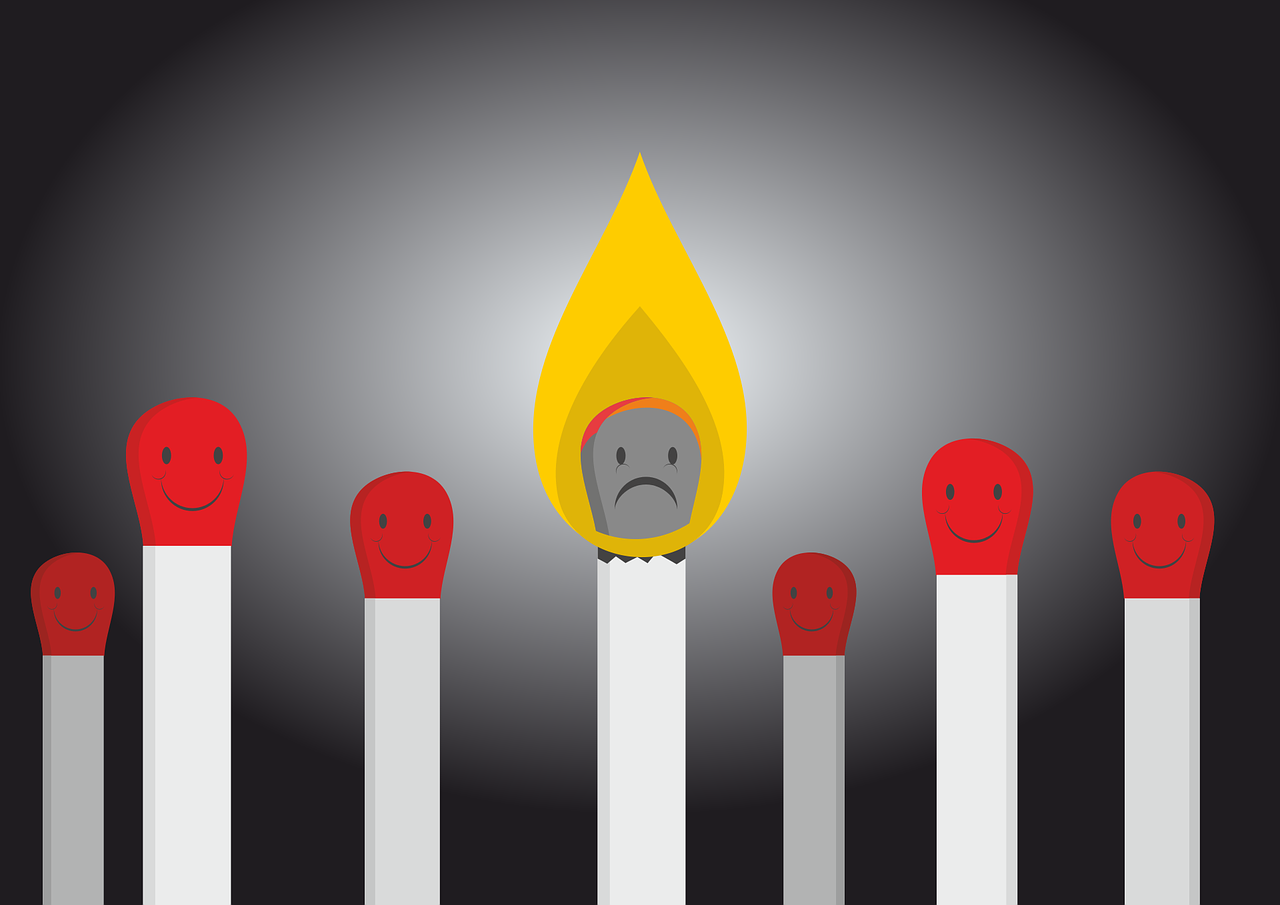
Prevent BurnoutBurnout—known as a state of physical, emotional or mental exhaustion—has always been an issue within the workforce, but it has become more prevalent as a result of the COVID-19 pandemic. Now more than ever, people are increasingly anxious and stressed. According to Mental Health America, the number of people who sought help for anxiety during 2020 increased 93% from the previous year. As such, it is important to address these feelings in order to prevent burnout.

One way to prevent burnout is by establishing meaningful connections with your co-workers and managers. According to research from Harvard University Professor Shawn Achor, the people who handle stress the best are those who focus on their social connections during difficult times. Consider the methods outlined in this article to cultivate connections that will help you fight burnout.

Discuss Your Well-being

Some companies host weekly wellness check-ins where employees can voice their current concerns. If your company is not already doing this, consider reaching out to HR to inquire about setting it up. If you have the opportunity to discuss your well-being, it is a good idea to address things you are struggling with.

Even if you don’t find a resolution to some issues, letting your manager know about your concerns can help them determine how much work to give you or understand why your performance may be different than it otherwise would be.

Talk to Your Co-workers

While your co-workers may not want to share all of their personal struggles, checking in on their well-being is important. When you understand more about how those you work with are feeling, you are in a position to better understand their actions and performance. This not only will help you feel less stressed when they are not performing at their peak, but it also will help them feel seen by you. Ultimately, checking in with your co-workers is a crucial step in improving workplace communication, which often leads to less stress.

Stay Connected

Having the option to work remotely can be beneficial in preventing burnout. Whether you are tired from the length of your commute, are apprehensive of returning to work due to ongoing COVID-19 risks or have other concerns, flexible work arrangements may help remedy these issues.

However, it’s vital to stay connected when you aren’t physcially working around others. Consider scheduling times to speak with friends during your day or joining any team events your company may host. Continuing to connect with others can prevent you from feeling isolated when you are not working on-site and, in turn, help you fight burnout.

Summary

Amid the pandemic, feelings of stress and anxiety have increased in the workplace, posing additional burnout concerns. Fortunately, you can help prevent burnout by voicing your struggles, communicating with your co-workers and building more meaningful connections.


Answers To The 7 Most Frequently Asked Benefit Questions

Frequently Asked Benefit Questions

Frequently Asked Benefit QuestionsWhen it comes to benefits, such a health insurance, many can agree that it is confusing. Unless you are involved in health insurance or Human Resources it can be hard to make sense of everything. We have compiled a list of some of the 7 most frequently asked benefit questions and their answers. We hope this makes things a little easier to understand. 

What is a Deductible?

A deductible is the amount of money you or your dependents must pay toward a health claim before your organization’s health plan makes any payments for health care services rendered. For example, lets say you have a $1,000 deductible. You would be required to pay the first $1,000, in total, of any claims during a plan year.

What is Coinsurance?

On top of your deductible, coinsurance is a provision in your health plan that shows what percentage of a medical bill you pay and the percentage a health plan pays. This usually starts after your deductible has been satisfied.

What is an Out-of-pocket Maximum (OOPM)?

An OOPM is the maximum amount (deductible and coinsurance) that you will have to pay for covered expenses under a plan. Once the OOPM is reached the plan will cover eligible expenses at 100 percent.

What is an Explanation of Benefits (EOB)?

An EOB is a description your insurance carrier sends to you. It explains the health care benefits that you received and the services for which your health care provider has requested payment. It will explain what your insurance carrier will pay and an cost your will be responsible for. This would include Deductible, Coinsurance, Copays, etc.

What is a Preferred Provider Organization (PPO)?

A PPO is a group of hospitals and physicians that contract on a fee-for-service basis with insurance companies to provide comprehensive medical service. If you have a PPO, your out-of-pocket costs may be lower than in a non-PPO plan.

What is Utilization Management (UM)?

Utilization Management is the process of reviewing the appropriateness and the quality of care provided to patients. UM may occur before (pre-certification), during (concurrent) or after (retrospective) medical services are rendered. 

For example, your health plan may require you to seek prior authorization from your UM company before admitting you to a hospital for nonemergency care. This would be an example of pre-certification. Your medical care provider and a medical professional at the UM company will discuss what is the best course of treatment for you before care is delivered. UM can reduce unnecessary hospitalizations, treatment and costs.

What is a High Deductible Health Plan (HDHP)?

An HDHP is a type of insurance plan that offers a low premium offset by a high deductible. Because of the low cost of the plan, the insurer will not cover most medical expenses until the deductible is met. As an exception, preventive care services are typically covered before the deductible is met. HDHPs are often designed to be compatible with heath savings accounts (HSAs). HSAs are tax-advantaged accounts that can be used to pay for qualified out-of-pocket medical expenses before the HDHP’s deductible is met.

We hope you found this list of 7 most frequently asked benefit questions and their answers helpful. If you did, please take a moment to share this post. 

Would you like to know more about health insurance? Click here for Individual or Click here for Employee Benefits. 

What You Need To Know Before You Lower Your Auto Insurance Limits

Auto Insurance Limits


Auto Insurance Limits

The cost of living can be pretty expensive. Everyone is looking for ways to cut costs and lower expenses. Auto insurance premiums are one expense many would like to lower. While you may be tempted to lower your auto insurance limits, make sure to weight out all the risks. 

Determining Which Coverage You Need

An auto insurance policy is designed to provide you with a level of protection in the event you are involved in an accident. This includes protection against property, liability and medical costs. Understanding the different parts of coverage is important when selecting your auto insurance limits. 

  • Property coverage pays for damage to or theft of your car.
  • Liability coverage pays for your legal responsibility to others for bodily injury or property damage. 
  • Medical coverage pays for the cost of treating injuries, rehabilitation and sometimes lost wages and funeral expenses. 
  • Underinsured motorists coverage pays for property damage and bodily injury caused by another driver whose coverage is insufficient to cover damages suffered.  

Selecting the correct liability limits is fundamental. On your auto insurance policy you will see your limits listed something like this – 100/300/50. In this example 100/300/50 means you are covered for up to $100,000 in bodily injury coverage per person, $300,000 in bodily injury coverage per accident and $50,000 in property damage per accident.

Many states have minimum liability limit requirements. You may be tempted to reduce your liability limits to the minimum legal level. Or even dropping underinsured motorists coverage. While it may reduce your premium, it could also subject you to substantial risks. 

Collision Coverage – Know The Value Of Your Car

Your policy will not pay for repairs that exceed the value of your vehicle. For this reason, if you are driving a vehicle that isn’t worth more than a few thousand dollars, it may not make sense to purchase collision coverage. Your agent can help you determine if collision insurance makes sense for you. 

Top Ways To Save On Your Auto Premiums

  • Consider raising your deductible.
  • Keep up your good driving record.
  • Drive less to qualify for a low-mileage discount.
  • Drive a car with safety features such as anti-lock brakes and airbags.
  • Install an anti-theft device.
  • Ask about our multi-policy discount. 

We’re here to help. Accidents happen to cautious drivers too. Having adequate auto insurance limits can save you from serious financial burden should you be involved in an accident. We can help you determine which auto insurance coverage is needed and what limits to purchase. 


7 Mental Health Benefits of Exercise

mental health benefits of exercise


mental health benefits of exerciseWhile physical exercise is known to be good for your body, it also can help your mind. Research continues to validate that exercise can improve mental health by reducing anxiety, depression and a negative mood. When you include exercise as part of your everyday routine, you’ll be reaping both physical and mental well-being benefits.

This article explores the connection between your body and mind and the mental health benefits of physical activity.

The Connection Between Body and Mind

People who exercise regularly often report having better mental and emotional well-being. Consider the following mental health benefits of exercise:

  • Mood boost—Exercise triggers the production of endorphins, serotonin, dopamine and oxytocin, mood-boosting chemicals in the brain. Those four chemicals are responsible for feelings of happiness.
  • More energy—Increasing your heart rate and boosting oxygen circulation in your body can make you feel more energized. It may seem counterintuitive, but expending energy can actually provide a spark of vitality you may need to get through the day.
  • Better sleep—Exercise can help regulate your sleep patterns and reduce the time it takes to fall asleep. The more active you are, the more your body pushes you to sleep and reset at night. Try to exercise for at least one to two hours before bed so your brain has enough time to wind down.
  • Reduced stress—Physical activity reduces the levels of your body’s stress hormones (e.g., adrenaline and cortisol). It’s also linked to lower physiological reactivity toward stress, so exercise can also be a coping strategy for stress.
  • Improved memory—Endorphins can help you concentrate and feel mentally sharp for work or other tasks.
  • Higher self-esteem—When exercise becomes a habit, you may feel more powerful or confident. You may also feel accomplished when you meet your fitness goals.
  • Stronger resilience—Exercise is a healthy way to build resilience and cope with mental or emotional challenges instead of turning to negative behaviors, alcohol or other substances.

Any movement helps since physical activity is what can be beneficial to mental well-being. Exercise can take your mind off problems or negative thoughts by redirecting them to the activity at hand.

Getting Started

The U.S. Department of Health and Human Services recommends that adults get moderate-intensity aerobic activity for at least 150 minutes each week and muscle-strengthening activities two times per week. It may seem like a lot at first, but if you break it down, that’s 30 minutes of moderate exercise five times a week.

Even if you don’t have time for 30 minutes to exercise, find something that works for you. Any physical activity is better than none. Understandably, motivating yourself for a workout can seem more challenging if you’re battling depression, anxiety or other mental health issues. Consider these tips for incorporating exercise into your routine:

  • Start with short exercise sessions and slowly increase your time. The goal is to commit to moderate physical activity and build it into your daily routine.
  • Find an activity you enjoy and incorporate it into your routine for a body and mind boost.
  • Schedule workouts when your energy is the highest.
  • Exercise with a friend. Companionship can make it more fun, so work out with a friend or loved one to make it more enjoyable or help you stick to the routine.

It comes down to making exercise a fun part of your everyday life so you can gain both physical and mental health benefits. Talk to your doctor if you have any questions or concerns about incorporating exercise into your day.