The best time to learn about what’s included in a basic homeowners insurance policy is before you have a claim. We’ve gathered the answers to the most common homeowners insurance questions to help you to minimize any coverage surprises.
What property and perils are excluded from my policy?
Typically, coverage does not apply to damage caused by flood, surface water, water that backs up through sewers or drains, earth movement, nuclear damage, war, etc. Personal liability and medical payments do not apply to the operation, ownership, use, etc., of any aircraft, automobile, RV, water craft powered by more than 50 horsepower motor; bodily injury or physical damage caused by an intentional act of the insured.
What happens if I have a fire? How do I collect for my personal property?
Whether your policy pays for the replacement or just the actual cash value of your possessions, you will be paid for personal property that you can show you owned at the time of loss. It is a very good idea to keep an up to date inventory in a secure place. Also, to help you remember what you had, it is helpful to take pictures or video of each room.
If my sump pump fails due to water backing up through the sewers, am I covered?
No, but you can easily add a sewer and backup endorsement to your homeowners policy to cover the loss.
Is my boat covered?
Theft to watercraft, including furnishings, equipment and outboard motors, is typically excluded if the theft occurs outside your residential premises. To cover your boat and its accessories, you need a separate boatowners insurance policy.
I have insured antique items listed on my policy. If I have a total loss, do I receive payment for the full insured value?
We will first confirm the value of the items with one or more independent antique dealers. You should then be paid a dollar value based on the dealer(s) estimate of the worth of the antique items. The best way to insure your antiques? Get appraisals and establish the stated values in the policy.
During a storm, a tree from my neighbor’s yard fell and destroyed my fence. Who pays for the loss?
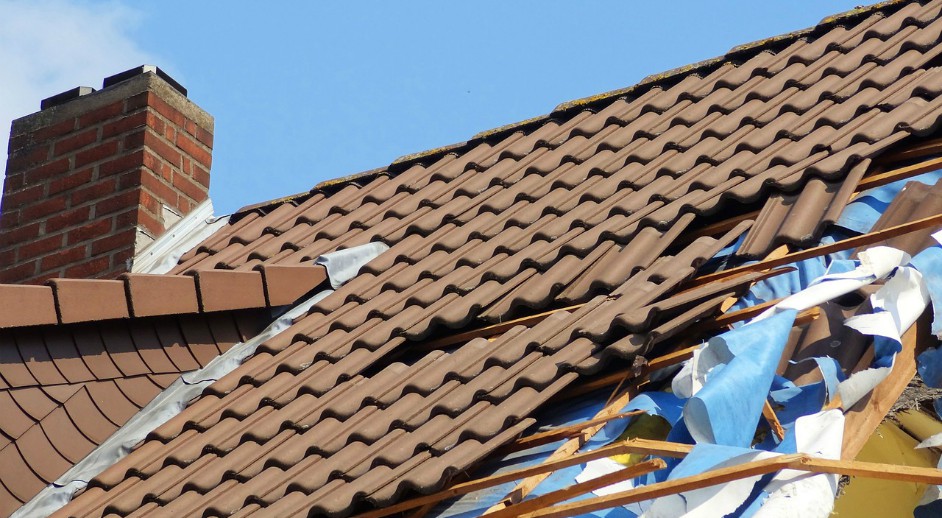
Generally, your own policy should cover the loss. Our agency may be able to recover the amount paid for the loss from the neighbor’s homeowners insurance if the loss occurred as a result of your neighbor’s negligence.
If I have water damage from a rainstorm, am I covered?
No, a separate flood policy is needed to covers losses to your property caused by flooding. As long as your community participates in the National Flood Insurance Program (NFIP), you’re eligible to purchase flood insurance. We can assist you in determining if your community participates in the NFIP.
What if I lose power and the food in my freezer spoils?
A basic policy typically does not cover this loss; however, coverage for electrical outages is available for a nominal additional premium.
If my iPod is stolen from my vehicle, is it covered under my auto insurance or my homeowners insurance policy?
Almost all auto and homeowners policies exclude coverage for any losses of iPods and other sound transmitting or receiving equipment used in an automobile. For added protection, check with us to determine if coverage can be purchased for the stereo and media players used in your auto.
How can I be sure I have the right coverage?
A complete review of your policy is the only way to determine what property is covered and what perils are insured against. We can help you identify your risks and explain what’s included in a homeowners insurance policy, including the standard limits of coverage on property insured such as money, watercraft, theft of jewelry, silverware and guns. We have the answers to your common homeowners insurance questions.
Contact us today to learn how we can help you insure your home, auto and life.