In Network Doctors, Why They Are Important

In Network Doctors

In network doctorsThe health insurance industry has been one of constant change in the past few years. 2017 brought numerous changes for many policy holders and those looking to purchase insurance. With many insurance carriers looking to lower cost for consumers, they made the decision to change their networks. Many companies shrunk their networks where others completely terminated networks and implemented new ones.

Regardless of the type of change, one fact remains critical for policyholders. Make sure you are using an in network doctor or facility.

What are In Network Doctors?

An in network doctor is one that a plan has contracted with to provide medical care to its members. Depending on the type of plan you have, visiting in network doctors will either provide you with the greatest coverage or be your only way to receive covered services.

A PPO In Network provider is a physician, other professional provider, contracting hospital or contracting other facility provider that is included in a limited panel of providers as designated by your insurance company and for which the greatest benefit will be payable when one of these providers is used.

A HMO Network provider is a provider that is included in a limited panel of providers as designated by your insurance company as a health insuring corporation. Providers in this HMO Network have an agreement with your insurance company about payment for covered services.

The Difference Between a PPO and HMO Health Plan.

Very simply, if you have a PPO Plan, you can chose if you use a provider in the network or one not in the network. You will receive better benefits at a lower cost if you use in network doctors and facilities. However, if you go to an out of network doctor there are still some benefits under your health plan. (Usually a higher deductible, co-insurance and he provider can balance bill you for the amount not paid by your insurance carrier).

If you chose a HMO Plan, you will only have insurance coverage if you visit in network doctors and facilities. If you go to a doctor that is not in the network, you will not have any insurance coverage. Therefor, that means you will be responsible for the full cost of the visit.

How Do I Find Out Who Is In My Network?

There are several ways to find In Network doctors.

  • Call the customer service phone number on the back of your ID Card.
  • Visit your insurance companies website. When you visit the website, make sure you choose the correct network name. It’s not uncommon for insurance companies to have 10+ different networks. it is VERY IMPORTANT you select the correct one. Helpful tip – if you create a login with that company it will generate a list based off your specific network.
  • Call your insurance agent or broker.

Networks change often so it is important to re-check before every appointment. Just because your doctor was in the network in January, does not mean they are still part of it in August.

Individual insurance policies (policies your purchase on your own, not through an employer) have been hardest hit by these network changes. Anthem BC&BS networks have shrunk by almost half and Medical Mutual of Ohio went from a PPO network to a HMO network in 2017. With the new president, there is a good chance insurance plans, networks and prices will continue to change.

Click here to learn more about Individual Health Insurance

Click here to learn more about Group Health Insurance

It can be a full time job keeping up with all the changes. That’s why were here to help. If you need help looking for a plan or understanding your current plan, give us a call today. 


Easy Ways To Save For Your Children’s Future

save for your children's future

save for your children's futureSaving early is the key to financial success. Therefor, when you save for your children’s future, you are setting them up for financial success. If you are planning on helping your children with college, trade school, a new house, you should start saving as early as possible.

Did you know? College-bound children’s parents can expect to pay at least half to a third of the cost of their children’s education. That means your current income, savings and loans.

Government aid and scholarships generally only pay for one-third of all college expenses. That leaves many students with large loans after graduation.

So how can you help out and save for your children’s future?

  1. Start saving the day your baby is born and save as much as you can. Compounding interest will also make your savings grow.
  2. Save money on a consistent basis rather than on a random schedule.
  3. Consider setting up an automatic payroll deduction or have your bank automatically move money from your checking account to a college savings account.
  4. Establish a savings goal to measure how well you are saving and modify that goal as your salary increases.
  5. Ask other relatives to contribute to the savings account in lieu of gifts.
  6. Save windfalls such as inheritances, income tax refunds or bonuses. Don’t rush out to spend this fast cash.
  7. Increase the amount you save by five percent each year to keep up with the college tuition inflation rate.
  8. Place the money you once used for expenses that are no longer here into the savings account.
  9. Cut down on normal living expenses and redirect that money to your savings account.
  10. Teach your children about saving by getting them involved in the financial preparation for their education.

Saving early is the key to financial success in the future.

Even modest savings can grow into significant investments by the time your child is ready to head off to school. For instance, putting away $50 a month beginning at your child’s birth would  yield $20,000 by age 17, with a 7% return on your money. Bump that up to $200 a month, and you would yield almost $80,000 by age 17.

Get your own finances in order while you save for your children’s future. Make sure to pay off your credit cards, maintain a savings account for unexpected expenses as well as putting some thing away for retirement.

One last way to save for your children’s future is to do an insurance review with your agent. They will review your coverage to make sure you are covered correctly as well as receiving all available discounts. Something as simple as putting your homeowners insurance and auto insurance with the same company can earn you an extra discount.

Want to learn more about Homeowners Insurance – Click Here. Auto Insurance – Click Here.

Please share this blog on Facebook or Twitter if you found it helpful. 


How To Make Sure Your Nonprofit Insurance Is Sufficient

Nonprofit Insurance

Nonprofit Insurance

Nonprofit organizations provide essential social services that benefit communities and their residents. They usually have a specific agenda on what they do and how they help. These unique organizations also require a unique insurance plan. Do you run a nonprofit or are you on the board of one of these organizations. Are you sure your nonprofit insurance is sufficient and that it covers all aspects of your organization?

Just like with any business you want to have property insurance to protect your build(ings) from physical damage. The other half to your typical business insurance is liability coverage. Certain businesses, such as nonprofit organizations, have some risks that other businesses may not have.

Shelters

Allowing others to inhabit your property can expose you to several liabilities. In addition to fire codes, health codes and tax codes, you may have additional requirements. These requirements could include:

  • Structurally sound buildings
  • Sanitary conditions
  • Clean water supply
  • Adequate air quality
  • Sufficient space and security for each occupant
  • Lack of lead-based paint hazards
  • A certain number of smoke detectors

If you have a visitor to your shelter suffers harm due to unsafe or unhealthy conditions, that could result in a law suit. This is where having a uniquely tailored nonprofit insurance program will be there to protect you.

Click here for Business Insurance Information.

Board of Directors

A board of directors is usually assigned to elect officers, adopt policies and make major financial decisions. Although the members are usually volunteer, they carry risk along with the position. Even when acting in good faith, board members are subject to personal liability. This could affect their personal financial status.

One way to help assess the risk involved with holding a board position is to develop a volunteer risk management committee. This committee will identify all risks and pose solutions to minimize potential harm. Your nonprofit should educate it’s bard members on their legal duties, fiduciary duties and decision-making roles. They should also ensure the following:

  • The organization is working within its stated mission
  • Funds are spent according to the mission and spending decisions are known to donors
  • The organization does not accept donations with conditions
  • Individuals with personal agendas are not allowed to sit on the board
  • Board members are not using professional contacts in dealings with the nonprofits

Once the risks are assessed the Board of Directors should also understand the following duties.

  1. Duty of Care: The individual should act in the way that a reasonable person would in a similar position and under similar circumstances. Acting under good faith is an essential part of the functions of the board.
  2. Duty of Loyalty: The individual should place the organization’s financial interests as the primary responsibility. As a board member, one should not use their position for persona gain, financially or otherwise. In addition, individual should remain honest about business ventures that pose a conflict of interest when acting as a representative of the organization.
  3. Duty of Obedience: The individual should try to further the mission of the nonprofit by supporting board decisions and implementing policies as they are outlined.

Nonprofit Insurance Options

In summary, as a nonprofit you have a very specific set of needs. Your run of the mill insurance policy may not be the best fit for your unique needs.

Nonprofits should consider the following types of policies:

  • Commercial General Liability: Protects volunteers and employees from bodily injury and personal injury claims.
  • Workers Compensation: Some states allow organizations to cover volunteers in the event that they are injured while on the job.
  • Automobile Liability: Coverage is needed for volunteers operating vehicles while working on behalf of the organization.
  • Directors’ and Officers’ Liability: Protects directors and officers against employees, clients and community members serviced by the organization. Specifically, D&O provides coverage for discrimination, harassment and wrongful termination claims. Provisions within the Americans with Disabilities Act of 1990, the Family and Medical Leave Act of 1993 and the Civil Rights Act of 1991 have led to claims against nonprofit organizations and their respective boards.
  • Personal Liability

As a trusted adviser for several local nonprofit organizations, we are here to help. Call us today to start working on the nonprofit insurance plan for organization. 

What You Need to Know About the Family and Medical Leave Act

Family and Medical Leave Act

The Family and Medical Leave Act (FMLA) is there to help when you or a loved one experiences a serous health condition that requires you to take time off from work. Whether you are unable to work because of your own serious health condition, or because you need to care for your parent, spouse, or a child with a serious health condition. The stress from worrying about keeping your job may add to an already difficult situation. The Family and Medical Leave Act provides unpaid, job-protection. FMLA leave may be taken all at once, or may be taken intermittently as the medical condition requires.


Who Can Use the FMLA Leave?

In order to take FMLA leave, you must work for a covered employer. Generally, this includes private employers with at least 50 employees. Private employers with fewer than 50 employees are not covered by the FMLA. But they may be covered by state family and medical leave laws. If you work bfora covered employer you need to meet some additional criteria to be eligible to take FMLA leave.

First, you must have worked for your employer for at least 12 months. Second, you must have worked for the employer for at least 1250 hours in the 12 months before you take leave. This works out to an average of about 25 hours per week over the course of a year. Finally, you must work at a location where the employer has at least 50 employees within 75 miles of your worksite. Even if your employer has more than 50 employees, if they are spread out and there are not 50 employees within 75 miles of where you work, you will not be eligible to take FMLA leave.

When Can I Use FMLA Leave?

If you work for an employer that is covered by FMLA, and you are an eligible employee. You can take up to 12 weeks of FMLA leave in any 12-month period for a variety of reasons. The most common serious health conditions that qualify for FMLA leave are:

  1. conditions requiring an overnight stay in a hospital or other medical care facility;
  2. conditions that incapacitate you or your family member (for example, unable to work or attend school) for more than three consecutive days and require ongoing medical treatment (either multiple appointments with a health care provider, or a single appointment and follow-up care such as prescription medication);
  3. chronic conditions that cause occasional periods where you or your family members are incapacitated and require treatment by a health care provider at least twice a year; and
  4. pregnancy (including prenatal medical appointments, incapacity due to morning sickness, and medically required bed rest).

The FMLA also provides certain military family leave entitlements. You may take FMLA leave for specified reasons related to certain military deployments. Additionally, you may take up to 26 weeks of FMLA leave in a single 12-month period to care for a covered service member with a serious injury or illness. There is also coverage under the FMLA for expanding your family. You may take FMLA leave for the birth of a child and to bond with the newborn child, or for the placement of a child for adoption or foster care and to bond with that child. Men and women have the same right to take FMLA leave to bond with their child. But, it must be taken with one year of the child’s birth or placement and must be taken in a continuous block. Unless, the employer agrees to allow intermittent leave.

Why Should I use FMLA?

When you take FMLA leave, your employer must continue your health insurance as if you were not on leave. You may be required to continue to make any normal employee premium contributions.

Click here to learn more about health insurance. This may also be a good time to review your health benefits. You will need to understand how everything will be covered in your unique circumstances.

As long as you are able to return to work before your exhaust your FMLA leave, you must be returned to the same job or one nearly identical to it. This job protection is intended to reduce the stress that you may otherwise feel if forced to choose between work and family during a serious medical situation. Time off under the FMLA may not be held against you in employment actions such as hiring, promotions or discipline.

FMLA leave is unpaid leave. However, if you have sick time, vacation time, personal time, etc. available, you may use that leave time, along with your FMLA leave so you continue to get paid.

How Do I Request FMLA Leave?

To take FMLA, you must provide your employer with appropriate notice and information. Typically you need to notify them at least 30 days in advance if possible. In the case of an emergency, notify then as soon as you are able to. While you are not required to tell your employer the diagnosis, you will need to provide them with enough information so it can be determined that it is a covered situation for FMLA.

When you or a loved one experiences a serious health condition that requires you to take time off work, the stress from worrying about keeping your job may add to an already difficult situation. The Family and Medical Leave Act (FMLA) is there to help. Make sure to do your research and talk to your employer as soon as possible. 

Please share this article with others so they are aware of the benefits of FMLA leave. 


How To Get Your Workplace Wellness Program Started

workplace wellness program

workplace wellness programImplementing a workplace wellness program is a great benefit not only to the employees, but to the managers and business owners as well. A workplace wellness program can help control health insurance costs, reduce Workers’ Compensation and disability costs, increase employee productivity and fewer missed days and higher morale and improved recruiting. But, before we get into that, lets start with some basics.

What is Workplace Wellness?

Workplace wellness refers to the education and activities that a work site may sponsor in order to promote healthy lifestyles for their employees and their families. Examples of wellness initiatives include health education classes, subsidized use of fitness facilities and internal policies or programs that promote health behavior.

The Benefit.

Your company does not need to be a large corporation in order to benefit from a workplace wellness program. In fact, targeting wellness is important for smaller companies because a successful workplace wellness program can reap the following benefits:

  • Improve employee morale and increase productivity.
  • Reduce overall health care costs.
  • Improve employee well-being and reduce absenteeism.
  • Help retain and attract employees.

Where Do I Start?

Before you start picking out activities and prizes, it’s important to lay some groundwork. Gain support from all levels of management and encourage them to participate. Make sure they are aware of and understand the program’s goals and benefits. After that you will want to assemble a workgroup or committee responsible for promoting the workplace wellness program, planning activities and conducting evaluations. Make sure this group has a mixture of various departments. This group will also need a coordinator to manage and oversee the program. They will be in charge of making sure there are regular meetings, analyzing progress and making sure this program stays on budget.

What If There’s Not Much Room In The Budget?

Many smaller businesses may not be able to have a large budget set aside for wellness, and that’s ok. Even if you have a very small budget, you can still have a successful workplace wellness program. A few low-cost wellness ideas include:

  • Ask a local hospital, nonprofit or other health care organization to provide presentations to your employees on the importance of a healthy lifestyle.
  • Ask your insurance agent if your health insurance carrier offers free health risk assessments.
  • Make your workplace smoke-free.
  • Offer on-site flu shots for free or at a reduced cost.
  • Provide heather vending machine choices.
  • Encourage employees to go outside during lunch or during their breaks for a quick run or walk. Encourage them to take the stairs instead of the elevator whenever possible.
  • Provide educational materials on the benefits of eating well, exercising, not smoking and other healthy lifestyle changes.

By developing a workplace wellness program, your company can lower health care costs, increase productivity and boost employee morale. All of which can contribute to protecting the company’s bottom line and keeping employees happy.

Click here to learn more about health insurance benefits.

We would like to share this free guide with you as a thank you for visiting our website. Simple complete the info below to download your copy of : An Employer’s Guide to Promoting Wellness in the Workplace

[email-download download_id=”2527″ contact_form_id=”2530″]


Generator Safety Tips You Need To Know

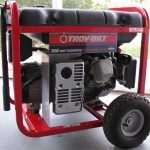
Power outages may have been a fun time as a kid but as an adult they can create serious stress. Is our food going to spoil? How will we keep the house warm? What if this power outage lasts longer then a few hours? For many, an emergency generator could be your saving grace. A generator will allow you to run lights, heat, and keep your refrigerator and freezer running while your power is out. While they can be a great convenience, there are some generator safety tips you need to know.

Safety First

  • Generator SafetyDo not run gasoline engines in an enclosed area. They produce carbon monoxide, a dangerous gas that can cause death.
  • Check the oil level in the engine on a regular basis, especially before using.
  • Before refueling, let the engine cool completely.
  • Place your generator a safe distance away from other structures. The engine can become quite hot and could be a fire hazard.
  • Make sure that your generator stays dry to prevent water damage and a potential electrical hazard.
  • Do not use a generator with appliances that have gotten wet.
  • Watch out for a voltage drop when using an extension cord that is too long or when using a cord with a wire size that is too small.
  • Connect generators directly into appliances but never directly into a home electrical supply box.
  • Ground the generator based on manufacturers’ instructions.
  • Select the appropriate outlet with the correct voltage.
  • Start running the generator before turning on the AC circuit or before plugging in the appliance.

Did You Know?

The capacity of a generator is calculated in watts. For instance, you may own a 2,000-watt generator. Therefor, if you have an appliance that requires 120 volts and uses 10 amps, the appliance will require 1,200 watts of power. By doing this calculation, you can determine what appliances can safely run on your generator.

Power outages can be less stressful by keeping your family warm and safe by using the above generator safety tips.

Did you find these generator safety tips helpful? Please share our blog post with others.

Laptops Make Work Easier, And More Vulnerable

Laptop

LaptopIf you have a job that requires computer access outside of the office, chances are you have a laptop. Many companies issue laptops to employees and while this is a great convenience, this can also be a possible problem. Do you have your laptops insured? Are the covered correctly? In addition to insurance coverage, there are a few things you should keep in mind when you issue laptops to employees.

Communicate Employee Responsibility

If your company issues a laptop to an employee, make sure they understand they have a responsibility to take care of it. Employees’ work laptops may have personal information such as stored website addresses, login information, address, name etc saved on them. Possible without them realizing it. Making employees aware that the theft of a work laptop could personally affect them can be an incentive for them to protect the computer.

It may be beneficial for you to provide a security cable lock when you issue laptops to employees. A cable lock works similarly to a bike lock – one end of the cable has a lock that goes into the laptop’s security slot and the other end is attached to a heavy stationary object, such as a desk. This type of lock works as a visual deterrent as well, making your company’s property and information safe.

Give your employees frequent laptop safety reminders and updates on new scams and theft tactics. Laptop safety i snot a one-time thing – making security a habit will keep your company’s property and information safe.

Laptops That Stay In The Office Are At Risk, Too

Just because a laptop does not leave the office, does not mean that it is not at risk. If the laptop is not locked to a docking station or desk is still vulnerable. If an employee is planning to quit or feels disgruntled, they may see stealing a laptop as an easy score. One way to protect your company laptop is to apply a tamper proof metal label with your company name and contact information to each laptop. Another way to deter theft can be to engrave the company name on laptops. This will discourage employees from stealing them, because the permanent engraving decreases resale value.

Use Encryption Software

In many cases the loss of the information and data on the laptop is more devastating than the loss of the laptop itself. Encryption software uses mathematical algorithms and an encryption key to encode data so that only someone who has the encryption key can read it. There are three different encryption methods you can use, based on the sensitivity of your data.

  • Full disk encrypts an entire disk, including all its data. This method is used to encrypt laptops, desktops and mobile devices.
  • Individual file encrypts a single file or creates an encrypted repository for file storage.
  • Data transit encrypts during a transfer, but does not guarantee encryption once the data reaches its destination.

To protect the interests of your company and employees, all devices should be encrypted and require passwords for access.

Install Tracking Software

Tracking software is often called “anti-theft” software. It tracks your laptop to its current location using IP address locations, GPS or Wi-Fi positioning. A stolen laptop can be easier to recover if you’ve installed tracking software before the theft. Some software can take a photo of the thief if the thief turns on the computer, showing his or her identity. If the thief sells the laptop to someone, capturing the new user’s identity is helpful for finding the thief. Tracking software can also take screenshots of what the thief is doing on your computer. This can be is helpful if the thief signs into his or her own personal accounts. Some software can lock the thief out to prevent him or her from logging on to your computer at all, and some software can remotely delete sensitive data from the hard drive if you tell it to.

Keep in mind that tracking software alone does not prevent theft – your employees’ actions and habits play a major role, too. Contact our office today to learn more about defending your company’s laptops against theft.

Insuring A Second Home; What You Need To Know.

Insuring a second home

Insuring a second homeYou’ve raised your children, saved your money, and your dream of purchasing a vacation home is finally coming to reality. After picking the location and touring homes you’ve finally found “the one”. Now it’s time to complete the loan and purchase the insurance. While you may think the insurance is the easy part that may not necessarily by the case.

A typical homeowners policy may not be the best fit when it comes to insuring a second home. Also, it can cost more to insure a second home than to insure your primary residence. Premiums are based on a variety of factors, like the amount of time that your home will be unoccupied, it’s location and the liability from renting the property. Because of that, your insurance needs are unique. We’ve gathered some insurance basics that will help you make the best buying decision when it comes to insuring a second home.

Coverage Options

At a minimum, your lender will require that you carry hazard insurance. This will protect your property against damage from theft, fire, flooding and windstorms. While not always required, it’s also a good idea to add liability insurance. Liability insurance will cover you and members of your household for accidental injuries to your visitors. For an extra layer of protection, a personal umbrella liability policy extends your liability coverage for properties named in the policy.

Dwelling Fire Insurance

Most homeowners policies require occupancy as a condition of the insurance. The fact that you visit infrequently may prevent you from obtaining full homeowners coverage. Dwelling fire insurance is an alternate coverage option utilized in insuring a second home, residential rental or non-owner occupied property. A dwelling fire policy continues to offer coverage for a home and other structures (for example: detached sheds or garages) for perils named in the policy. Named perils listed in a typical dwelling policy protect against damage caused by fire, collapse, lightning strike, wind, hail, explosion and smoke. Fore more coverage, consider adding personal property protection and liability insurance to a dwelling fire policy.

Renting Your Home To Others?

When it comes to renting the property, you will have little control over the physical damage that can occur. To help reduce your risks, tenant-occupied dwelling insurance will cover the costs incurred by damage, including fire, storms, burglary and vandalism. It does not cover your tenant’s personal property.

Renting your property furnished or unfurnished also adds insurance coverage complications. If you are renting the property furnished, let us know, We can advise you on the best coverage options and whether you should consider requiring longer-term tenants to carry additional renters insurance.

As with all homeowners insurance, it is important to be sure that you are insuring a second home properly. Contact us today to customize an insurance policy to best fit your unique needs.

Insurance Coverage for Public Entities in Ohio

Public Entities in Ohio

Public Entities in OhioPublic Entities in Ohio face unique challenges when it comes to risk management. Tax bases go down, operation costs go up and public administrators are under pressure to maintain – if not improve – municipal services. As a result, the insurance coverage for public entities in Ohio needs to be the lowest cost possible. However, with the number of claims against public entities on the rise, the lowest cost insurance coverage may not be in the best interest of anyone.

Types of public entities in Ohio that require specialized coverage include municipalities, counties, townships, local and regional authorities, school and community college districts, ambulance districts, volunteer fire departments, public universities, transit authorities, water districts, sewer districts, libraries and other special districts.

A public entity can be defined by the following characteristics: it is operated with public funds; its employees are considered government employees; it receives significant assistance from the government by provision of property or equipment; and it is governed by a board elected by voters or appointed by elected officials.

While coverage for Public Entities is similar to commercial coverage, it varies greatly from state to state and over time due to legislation aimed at protecting public entities, including state liability caps, immunity defenses and early reporting requirements.

Liability policies

Liability policies are designed to respond to losses that you are obligated to pay due to your negligence. They always involve a third-party claim.

  • General liability policies typically respond to bodily injury, property damage, or personal injury claims.
  • Professional Liability provides coverage that is not included in a general liability policy. Professional liability might respond to claims of negligence.
  • Management Liability coverage can respond to claims of wrongful acts.
    • Employment Practices coverage is very important for public entities because these claims can be quote common. Precisely because of their public nature, civil rights laws are particular applicable to public entities.
  • Other Specialized Liability policies respond to exposures specific to the public entity’s activity. Examples include:
    • Law Enforcement Liability
    • School Board Liability
    • Educators’ Legal Liability
    • Airport Liability
    • Environmental Liability, including pollution
  • Excess Liability/Umbrella policies protect the organization by packing up the limits of its underlying liability policies. For the most part, it is used to cover exceptionally large events or losses with low probabilities of occurrence. Without this insurance, these events – as rare as they may be – can be devastating.

Property policies

Property policies protect your physical property in case of losses due to fire or lightning, including the cost of removing property as a way to protect it from further damage. Standard policies may also include coverage for windstorm, earthquakes, acts of terrorism, vandalism and other losses. A public entity may have special types of property that require additional coverage, such as:

  • Aircraft
  • Underground Storage Tanks
  • Boiler and Machinery
  • Automobile coverages

Workers’ Compensation

Workers’ Compensation pays for employees’ medical bills and lost wages from work-related injuries. In most states, workers’ compensation is required.

The Rinehart-Walters-Danner Insurance Agency has provided insurance protection to public entities in Ohio since 1988. We currently provide public entity insurance to more than 250 public entities including Municipalities, Villages, Townships, Fire Departments, Fire Districts, EMS / Ambulance Districts, Soil and Water, Sewer and Water Districts, and Libraries throughout the State of Ohio. If you need help determining the best option for your public entity, give us a call. We can help.

Did you find this information helpful? If so, please share this article. 

What Is Business Property Insurance And Why Do I Need It?

Business Property Insurance

Business Property Insurance1For many business owners, your business is your home away from home…your baby…your life. Regardless of it’s size your business, is a representation of yourself. It’s how your known in the community, it’s how you’ve built many relationships, and of course, it’s your source of income. Your livelihood is dependent on the survival of your business, so it’s important that you protect it against any potential threats. Just as you insure your home, auto and personal belongings, you need to insure your business as well. A fire could destroy your business’s warehouse and the contents, a burst pipe could damage important documents, and if a tragedy isn’t enough, you could lose employees because of being unable to pay their wages during the rebuilding period. So what do you do? Where do you start? Don’t worry, we can walk you through it.

The Basics

First you need to determine the types of property you may need to insure. Each business is different, but below is a basic list of some common items found in many businesses.

  • Buildings and other structures (leased or owned)
  • Furniture, equipment and supplies
  • Inventory
  • Money and securities
  • Records of accounts receivable
  • Leasehold improvements and betterment you made to the rented premises
  • Machinery/boiler
  • Electronic data processing equipment (computers, laptops, etc.)
  • Valued documents, books and papers
  • Mobile property (construction equipment, etc.)
  • Property in transit
  • Cargo
  • Satellite dishes
  • Signs, fences and other outdoor property not directly attached to the building
  • Intangible property (goodwill, trademarks, etc.)
  • Business contingency for suppliers
  • Ordinary payroll
  • Extra expenses as a result of loss

Types of Property Insurance Policies

Basic property insurance covers losses due to fire or lightning, including the cost of removing property as a way to protect it from further damage.

Standard property insurance provides coverage for extended perils, such as floods, windstorm, hail, earthquakes, acts of terrorism, explosion, riots, smoke, civil commotions, and vehicles that damage your property. Beyond that, coverage for vandalism and malicious mischief can also be included.

Are You Buying Enough?

This is a very important aspect of purchasing business property insurance. A typical policy will provide the replacement cost value for your building and the actual cash value for your business property.

Replacement cost value is the amount that is necessary to replace or rebuild your building or repair damages with similar materials, without considering depreciation. Actual cash value, on the other hand, is the value of your property when it is damaged or destroyed. The amount is typically determined by subtracting the depreciation from the replacement cost value.

More details on Replacement Cost vs Actual Cash Value can be found here.

Most property insurance policies include a coinsurance clause, which requires you, the policyholder, to share the cost of covered services up to a moderate percentage of the actual cash value of the property. This will allow you to receive full coverage for your losses. Should you decide to purchase inadequate coverage for your property, you may be obligated to pay a percentage of all losses, even if they are listed in the property.

Business Property Insurance will be one of the most important coverage’s you purchase when it comes to the future of your business. We understand that determining your business’s value is critical, so we’re here to help. At Rinehart Insurance we customize your Business Property Insurance Policy to fit your business needs. Call or email an agent today to review or add coverage to your business.

Did you find this information helpful? If so, please share it with others. Thank you!