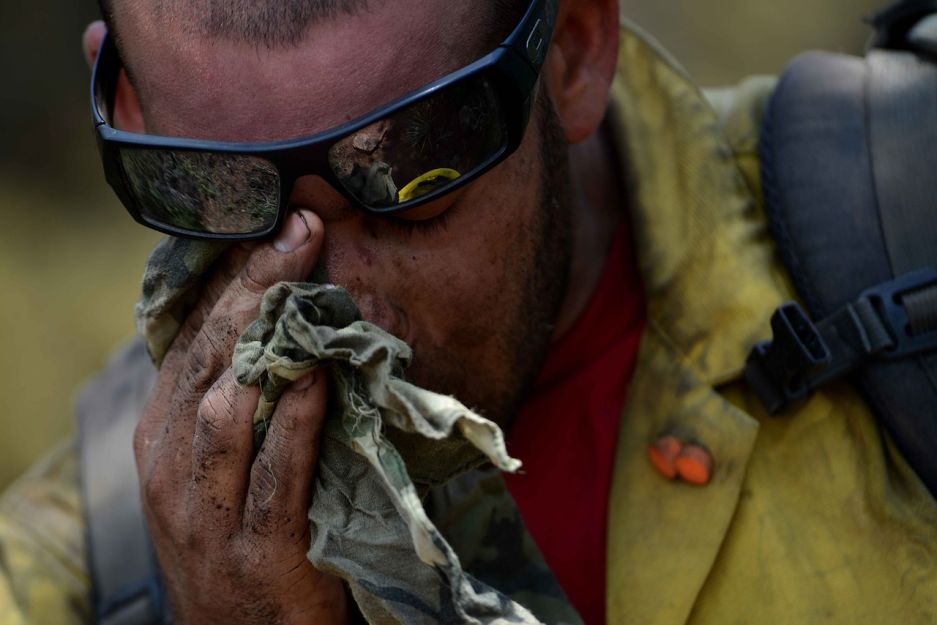
Avoid Heat Illnesses This Summer With These 7 Crucial Tips

Heat Illnesses

Extreme summer temperatures are not only uncomfortable, they are also dangerous for your health. This is particularly true for older adults and children, who are more susceptible to illness. When it is hot outside, your body temperature can rise to dangerous levels. Normally, your body cools itself through sweating. However, in hot and humid weather, sweating is not enough and the result can heat illnesses.

Avoiding Heat Illnesses

Here are some tips for staying safe when you’re out in the heat:

  1. Wear loose, light-colored clothing so your skin gets air exposure.
  2. Shield your head and face from direct sunlight by wearing a hat and sunglasses.
  3. Avoid spending time outdoors during the middle of the day, when temperatures are highest and the sun is directly overhead.
  4. Take regular breaks in a shaded area if you’re involved in a strenuous activity.
  5. Drink water frequently, even if you aren’t thirsty. Experts recommend drinking at least 8 ounces every 20 to 30 minutes to stay hydrated. Stick to water, fruit juice and sport drinks while avoiding caffeinated or alcoholic beverages, which can dehydrate you.
  6. Monitor children and seniors carefully, since they can get dehydrated more easily.
  7. Call 911 if someone exhibits symptoms of heat stroke, such as flushed skin, rapid breathing, a throbbing headache or confusion.

Providing Treatment for Heat Illnesses

It is essential to treat heat illness as soon as possible. If you are feeling any of the above symptoms, inform a co-worker and ask for help. If you suspect that a fellow worker has any of these conditions, follow the first-aid suggestions below:

  • Heat Cramps – Move the victim to a cooler area and provide them with water or other cool, nonalcoholic beverages. Follow up with a medical examination.
  • Heat Exhaustion – Move the victim to a cooler area and keep them lying down with their legs slightly elevated. Cool their body by fanning and applying cool, wet towels. Have them drink approximately six ounces of water every 15 minutes. Follow up with a medical examination.
  • Heat Stroke – You or a bystander should immediately call an ambulance. Meanwhile, move the victim to a cooler area, remove their outer clothing, immerse them in cool water or apply cool, wet towels or cloths to the body. If the person is awake and able to swallow, give them small amounts of cool water to drink. If medical help is delayed, call the hospital for further instructions while waiting. Heat stroke is life-threatening, so it’s important to move quickly!

Stay Safe

The risk of heat illness increases with age, poor diet, being overweight, insufficient liquid intake, poor physical condition and/or when taking medication. Never take salt tablets without your doctor’s approval. Be aware of weather conditions when you will be working outside so that you can be prepared with appropriate clothing and beverages. If you are working outside and start to feel any adverse symptoms,  let someone know and take a break.

Click here to read more Heat Illness Safety Tips from the CDC

5 Critical Defensive Driving Tips You Should Know

defensive driving

defensive drivingBeing a defensive driver entails utilizing various road skills to defend yourself against potential accident hazards. Using proper defensive driving techniques will help keep both you and other drivers safe on the road. With this in mind, be sure to implement the following defensive driving guidance the next time you get behind the wheel.

Eliminate distractions

The first step in being a defensive driver is to reduce distractions while you drive. As such, it’s important to make sure the road is your sole focus—avoid using your cellphone, adjusting the radio, programming your GPS, eating, drinking or applying makeup behind the wheel.

Remain alert

In addition to eliminating distractions, it’s vital to be fully aware of your surroundings on the road. This practice will help you better detect upcoming hazards, allowing you to respond as quickly and safely as possible. Check your mirrors often, and try to scan road conditions approximately 20 to 30 seconds ahead of you. Specifically, keep an eye out for other drivers, nearby pedestrians and road obstructions (e.g., traffic cones or construction work).

Follow the rules of the road

This includes wearing your seat belt, obeying speed limits, using your turn signals and avoiding driving with excess passengers in your vehicle. Also, make sure you approach intersections with caution—never run a red light or stop sign. Even if you have the right of way, look around to confirm it’s safe to cross the intersection before doing so.

Avoid aggressive driving (and drivers)

Aggressive habits—such as switching lanes frequently, braking or accelerating suddenly, and tailgating other drivers—can increase your likelihood of being involved in an accident. Try to be as predictable and forgiving as possible by always leaving at least a four-second distance between you and the vehicle in front of you, avoiding abrupt lane changes and keeping a steady pace. If another driver is displaying aggressive habits, try to distance yourself from them or pull over when it is safe to do so.

Be extra careful in adverse conditions

In severe weather (e.g., heavy rain, snow and fog), road conditions can be significantly more dangerous. Take additional precautions by reducing your speed, increasing your following distance, braking earlier and using your headlights.

Don’t Forget to Take Care of Your Vehicle

Even the most defensive drivers could contribute to an accident on the road if operating an unsafe vehicle. Make sure you keep your vehicle in good shape by taking it for routine oil changes and fluid checks, ensuring the tires are properly inflated and performing other maintenance as needed. For additional driving safety tips and auto insurance solutions, contact us today.

Important Workplace First Aid Basics Everyone Needs To Know

First Aid

A workplace accident requires prompt action to help employees who are injured. For example, if you are nearby when a co-worker trips and hurts their leg on the job, your knowledge of first aid could prove essential.

First aid refers to the immediate assistance provided to an injured individual. This assistance is intended to prevent the injured person’s condition from worsening, promote recovery and offer support until professional medical services arrive. Here are some scenarios that may require first aid and other basic precautions to consider.

Cuts and Lacerations

Should an individual receive a cut, the most important action is to stop the bleeding as quickly as possible. Have the injured person lie down, then apply direct pressure on the wound with a sterile pad or the cleanest piece of cloth you can find. If the cloth becomes saturated with blood, add more pads or cloths and secure them with a bandage.

If the wound is on an arm or a leg, and the blood flow is particularly hard to stop, you can try pressing on the brachial or femoral arteries to reduce the flow. Always seek immediate medical attention amid any incident involving profuse bleeding.

Chemicals

You may also need to work with chemicals from time to time. Should chemicals get into someone’s eye, use the emergency eyewash station. If one is unavailable or not nearby, dilute the chemical by pouring water into the eye. Pour at least a quart of water into the corner of the eye so that it runs over the surface and flows out the other side.

If chemicals get onto an individual’s skin, wash the area repeatedly with large amounts of water. Remove any contaminated clothing. Check the label on the chemical to see if any additional steps should be taken. Call 911 if the affected individual experiences dizziness, nausea, chest pains or shortness of breath.

Particles

If a foreign particle gets embedded into someone’s eye, do not try to remove it like you would a chemical. Instead, have the injured person lie flat, place a sterile pad over the eye, bandage it in place and seek medical help immediately. Avoid movement that could drive the particle deeper into the eye. If the particle is under the eyelid or floating on the surface of the eyeball, you can try removing it with the corner of a clean piece of cloth. However, never rub someone’s eye when trying to remove a particle from it.

Shock

A severe accident or injury often brings on a condition called shock. A person experiencing shock may appear weak or confused, have cold or clammy skin, feel nauseous or display vacant eyes with dilated pupils.

To help someone in shock, place the individual on their back and elevate their feet unless head or chest injuries are present. Then, raise their head and shoulders with pillows. Next, place blankets over and under their body to conserve heat. Don’t administer any fluids unless professional medical services are delayed for at least 30 minutes. If that is the case, give the individual half a glass of plain, lukewarm water every 15 minutes. Stop providing fluids if the person becomes nauseated.

Takeaway

Remember, first aid is the best immediate response to an injury, but you should always seek appropriate medical attention afterward.

Reach out to your supervisor for additional first-aid resources.

First Aid


Liquor Liability Insurance And 4 Reasons You Need It

Liquor Liability Insurance

Liquor Liability InsuranceIt is common for businesses such as restaurants and clubs to serve some sort of alcohol. With the availability of alcohol, also includes the possibility for issues. Fights, careless behavior or automobile accidents caused by individuals who have consumed alcohol are always a risk. While you can’t control other peoples behavior, you can make sure you and your business are protected. 

What is Liquor Liability Insurance?

Liquor liability insurance is designed to protect a business that sell or serve alcoholic beverages. This type of insurance covers damages that result from incidents by individuals who have consumed alcohol. It protects you should your clients or patrons sue your business for damages related to their intoxication. This is not something a general liability policy would cover. 

4 Reasons You Need Liquor Liability Insurance

  • A method for businesses to meet legal requirements. Depending on the type of business you have and it’s location, it may be legally required to carry liquor liability insurance. The strictness of legal requirements differ from location to location. A businesses location can have a major impact on how your liquor liability insurance is priced. Be sure to speak with an insurance agent to ensure you have the correct levels of coverage. 
  • Protect against unruly customers. Alcohol can alter peoples state of mind and make your patrons behavior unpredictable. This can lead to fights or other dangerous situations. Liquor Liability Insurance is designed to protect businesses from these situations and is a must for businesses that serve or sell alcohol. 
  • Legal fees and court cost reimbursement. In the event of a liquor-related claim, legal fees and court costs can add up quickly. Without liquor liability insurance your business could be on the hook for the legal fees. Defense costs itself can be a huge financial burden for even the most profitable businesses. 
  • Coverage for employees. Even if you require your employees to serve liquor responsibly, there’s a chance they may disregard your instructions. Liquor liability policies can cover your employees’ improper actions and better protect your business from liquor-related incidents. Also, some insurers provide training and risk management strategies to policyholders to help educate businesses and employees as well as lower overall liquor liability exposures. 

When serving alcohol, the best way to protect your business from potential claims is through proper risk management and liquor liability insurance. These policies can be complex so it is important to discuss your options with a qualified insurance broker. 

Please contact our office to talk to an agent today about your options


What Are Medical Credit Cards and What You Need To Know

medical credit cards

The Biden administration recently published a report warning consumers against using medical credit cards and other specialty financial products for medical services. Medical financing plans, like medical credit cards, may be appealing as a short-term solution to high medical costs. But high interest rates can cause patients to overpay for medical services and contribute to medical debt. Additionally, many consumers don’t understand the terms of their medical credit cards, causing them to incur unexpected fees.

Despite the risks, Americans are increasingly turning to medical credit cards to combat rising health care costs. A poll by KFF Health found that 1 in 5 adults in the United States have a financing plan to help pay for medical or dental care. This article explains what you need to know about medical credit cards.

What Are Medical Credit Cards?

Medical credit cards can be used to pay for various medical services. They can cover costs associated with medical care for you, your family and even your pets. These cards are typically used to help pay large out-of-pocket medical bills or medical services that insurance doesn’t cover, such as cosmetic or elective procedures.

How Do Medical Credit Cards Work?

You may see advertisements for medical credit cards in your doctor’s office, at a hospital or at another health care service facility. If you choose to apply, your doctor or another medical care staff member will typically sign you up. Once your application is approved, your medical credit card company will pay your doctor for services. You are then responsible for paying back your credit card company.

Like other types of credit cards, medical credit cards often have zero interest during the introductory period, which begins when your account is created. After the introductory period, interest rates can exceed 25%, according to a recent report by the Consumer Financial Protection Bureau (CFPB). These rate hikes can make it challenging to pay off bills and may result in inflated costs for medical services.

What You Need to Know

Consumers who fail to pay off their medical credit card bills before the end of their introductory period may experience significant rate hikes and fees, which can cause financial hardship and result in medical debt. Here’s information you should know about medical credit card use:

  • The CFPB found that $1 billion in deferred interest on medical credit cards and other medical financing plans was paid from 2018 to 2020.
  • Kaiser Family Foundation (KFF) Health News reported that 100 million Americans have medical debt.
  • Interest rates for medical credit cards can be higher than interest rates for other types of financing, such as general credit cards, according to the CFPB.
  • Borrowers who incur interest on medical credit cards pay an additional 23% of their original purchase, the CFPB report found.
  • The risk of incurring medical credit card debt is greater among low-income borrowers and people with poor credit.
  • Medical credit cards may have different payment schedules and fees than other types of credit cards.
  • The use of a medical credit card may make receiving other types of financial assistance more difficult.
  • Your medical credit card payments impact your credit score.

Deferred interest payment plans may benefit patients who can pay off their bills before the end of their introductory period. However, patients must understand their options and the implications of them before signing up for a medical credit card or another medical financing option.

Conclusion

Receiving a costly health care bill can be a highly stressful or emotional experience. Do your research ahead of time so that you’re prepared to make an educated financial decision on medical credit card use when the time comes.

5 Tips for Staying Safe in the Summer Sun

summer sun

summer sunThe long and warm days of summer can be fun and exciting, but while these conditions may be enjoyable, they can also be hazardous to your health.

Prolonged exposure to the sun can have a particularly dangerous impact on both your short- and long-term health, including damaged skin, sunburn and skin cancer. Given these potentially severe consequences, it’s necessary to understand basic precautions while out in the sun.

5 Ways to Protect Yourself From the Sun

To limit your risk of developing skin cancer or other sun-related conditions, consider the following steps:

  1. Think about the time. If possible, schedule your time outdoors before 10 a.m. or after 4 p.m. to avoid the strongest sunlight and greatest exposure to ultraviolet radiation.
  2. Check the forecast. Before you head outdoors for the day, be aware of the weather that awaits you. High temperatures and particularly sunny conditions may be dangerous.
  3. Use sunscreen. Apply sunscreen with an SPF of at least 15 to any bare skin at least 30 minutes before sun exposure. Reapply every two hours or more frequently if you plan to swim or be in the water.
  4. Seek out shade. Take advantage of any available shade while outdoors, such as next to buildings or under large trees. If you expect to be out in the open for an extended period of time, bring an umbrella.
  5. Protect your eyes. The strong sunlight of summer can be hazardous for your optical health. Wear sunglasses while outdoors and consider bringing a brimmed hat as well.

Keep these tips in mind to have a fun and safe time enjoying the summer sun. 

How to File an Auto Insurance Claim Following Weather-related Damage

Weather-related Damage

Weather-related DamageExtreme weather events, such as hail, wildfires, high winds and flooding can cause severe damage to your vehicle. Understanding how to file a weather-related damage claim can make it easier for you to be reimbursed for vehicular damage. Read on for further guidance.

Does My Insurance Cover Weather-related Damage?

Specific forms of auto insurance are required in most states. Depending on your location, required coverage may include liability insurance, personal injury protection insurance and uninsured/underinsured motorist coverage. However, these coverages generally won’t help pay for damage caused by noncollision incidents, such as weather-related damages. Comprehensive insurance coverage is essential to ensure adequate financial protection from these events. Although this coverage isn’t typically required, it can help prevent costly out-of-pocket expenses if your vehicle is damaged from a storm or natural disaster.

How Do I File a Weather-related Damage Claim?

The following are general guidelines for filing a claim following weather-related damage to your vehicle:

  • Contact your insurance company. Report the damage to your insurance company as soon as possible. Some insurers will set up emergency disaster relief programs to expedite claims following widespread disasters, such as major hurricanes and violent tornados.
  • Prioritize safety. Don’t risk driving a vehicle that could have serious problems. Although damage can be easy to spot (e.g., dents from hail), some damage may be difficult to notice without a proper inspection. Leave your car where it is and don’t attempt to drive it before an insurance adjuster arrives if there’s a chance it could have sustained damage.
  • Assess the condition of your vehicle. Make a quick assessment of vehicular damage if it’s safe to do so. Look for signs of extensive damage and indications that the car may not be drivable.
  • Document the damage. Gather visuals of the damage, such as photos and videos. You should also note anything that seems wrong (e.g., a strong smoke smell when driving). Provide this information to your insurance company to help them evaluate the loss.
  • Be patient. Auto insurance companies often receive a deluge of insurance claims following an extreme weather-related event, such as a wildfire or hurricane. Be prepared to wait and try to remain patient during the claims process.

Finding and maintaining the right auto insurance policy is crucial to ensuring you’re financially protected from weather-related events. Work with Rinehart, Walters & Danner to ensure you have sufficient protection.

Contact Us

The agents at Rinehart, Walters & Danner are here to answer your insurance questions. Contact us today to learn more.

Trends Driving Social Inflation and How to Respond

social inflation

social inflationAs an insurance buyer, you may have heard the term “social inflation.” In general, social inflation refers to societal trends that influence the ever-rising costs of insurance claims and lawsuits above the overall inflation rate. As the commercial insurance market shifts, it’s important to understand what’s currently driving social inflation.

  • Third-party litigation funding—One of the factors driving social inflation has to do with increased litigation or, more specifically, litigation funding. With litigation funding, most or all of the costs associated with litigation are covered by a third party, which has increased the volume of cases being pursued.
  • Tort reform—Tort reform refers to laws that prevent frivolous lawsuits and preserve laws that prevent abusive practices against businesses. However, in recent years, states have modified tort reforms or challenged them as unconstitutional.
  • Plaintiff-friendly legal decisions—The overall public sentiment toward large businesses and corporations is deteriorating, and juries are increasingly likely to sympathize with plaintiffs. As a result, plaintiff attorneys often play to a jury’s emotions rather than the facts of the case.
  • Large jury awards—There’s an increasing public perception that businesses—particularly large ones—can afford the cost of any damages. This means juries are likely to have fewer reservations about awarding damages. In the current environment, nuclear verdicts (awards of $10 million or more) have become more common.

While it’s impossible to completely eliminate the threat of litigation, it’s important to take the following steps to ensure your business is prepared for a lawsuit:

  • Consider purchasing an umbrella policy. Commercial umbrella insurance provides financial protection above the limits of your organization’s other liability policies. It enhances existing liability coverages, helping you respond to gaps in insurance and substantial claims.
  • Protect yourself from employment practices claims. Employment practices claims are common and can be particularly devastating given social inflation trends. To protect your business, review your employee handbook regularly and ensure policies related to sexual harassment, workplace violence and similar issues are communicated effectively. For additional protection, you may want to consider purchasing standalone employment practices liability insurance.
  • Work with experienced insurance professionals. The insurance market is constantly evolving, and in the face of social inflation, it’s vital to have a competent insurance professional advising your business. Be sure to partner with a broker who has strong carrier relationships and knowledge of your industry.

As the insurance market changes, it’s important to understand what’s currently driving social inflation and take proactive steps to protect your business in the face of litigation. For more risk management guidance, contact us today.


Life Insurance…We All Need It, But Don’t Want To Talk About It

Life Insurance

Life InsuranceNobody wants to think about the death of a loved one or leaving a loved one behind. Unfortunately, it’s a part of life and something everyone will have to deal with at some point. So that leaves you with two options, don’t think about it and hope it never happens or have the discussion with your family and determine what you would need financially in the event of your or a loved ones death.

There are many options ranging from bank savings accounts to investments but a common option is life insurance. Life insurance is a policy that would pay a set amount at the time of the policy holder’s death. There are several different types of life insurance with different options, but all have one identical benefit, a death benefit. So how much do you need…well it’s different for everyone. MSN Money has a nice calculator that can help you determine how much you need or your insurance agent can sit down with you and help you determine the amount.

Click here for the MSN calculator

After you determine an amount, you can choose what kind. Term or Permanent, fixed or variable, there are several different options. Once again, the best way to determine what is the best form for you is to talk with your insurance agent. They are experts on this and can help you find the right product.

Click here to learn more about the types of life insurance.

And last but not least is getting the quote. Once you have decided how much you need and what kind, it’s time to get the rates. At Rinehart Insurance we use several life carriers to ensure we get the best rate possible for our clients. Call us today so we can help you protect your most important part of your life, your family!

4 Cybersecurity Best Practices For Your Small Business

Cybersecurity Best Practices

Cybersecurity Best PracticesCyberattacks are becoming more frequent and complex, and businesses of all sizes and industries are potential targets. In fact, cybercriminals increasingly go after small businesses since they contain much of the same types of sensitive information as larger enterprises but often have weaker cybersecurity defenses. Verizon’s Data Breach Investigations Report found that 43% of all cyberattacks target small businesses, and 60% of those victims go out of business within six months of the attack. There is a growing needs for your business to have cybersecurity best practices in place.  

Even if a small business survives a cyberattack, there can still be devastating consequences, such as high costs, reputational damage and unanticipated downtime. To best combat these risks, it is important for small business owners to be aware of common cyberthreats they may face, including:

  • Phishing—Phishing is a type of cyberattack that utilizes deceptive emails or other electronic communication to manipulate recipients into sharing sensitive information, clicking on malicious links or opening harmful attachments. While emails are the most common delivery method for phishing attempts, cybercriminals may also use text messages, social media messages, fake or misleading websites, voicemails or even live phone calls.
  • Business email compromise (BEC)—A BEC scam entails a cybercriminal impersonating a seemingly legitimate source—such as a senior-level employee, supplier, vendor, business partner or other organization—via email. The cybercriminal uses these emails to gain the trust of their target, thus tricking the victim into believing they are communicating with a genuine sender. From there, the cybercriminal convinces their target to wire money, share sensitive information (e.g., customer and employee data, proprietary knowledge or trade secrets) or engage in other compromising activities.
  • Malware—Malware is a general term that describes viruses, worms, Trojan horses, spyware, adware, rootkits and other unwanted software or programs. Once a malware program has gained access to a device, it can disrupt normal computing operations, collect information and control system resources. 
  • Insider threats—Workers with access to sensitive information, including contractors who have access to the company’s network, may be aware of existing security weaknesses and can exploit them more easily than an outsider. 
  • Password attacks—Using weak or easily guessed passwords or using the same password for multiple accounts can result in compromised data. In fact, over 70% of employees working at small businesses have had their passwords stolen or compromised, according to data from the Ponemon Institute.

To limit the risk of cyberattacks, small business owners should implement the following cybersecurity best practices:

  • Employee education—Employees are the most significant cybersecurity vulnerability to any organization, including small businesses. Workforce cybersecurity education is essential to teach employees to identify phishing attacks, social engineering and other cyberthreats.
  • Security software—A network firewall can prevent unauthorized users from accessing company websites, email servers and other sources of information accessed through the internet. In addition, high-quality antivirus software can perform automatic device scans to detect and remove malicious software and provide protection from various online threats and security breaches. The latest patches and updates should be installed as soon as possible to limit cybercriminals’ opportunity to exploit any network vulnerabilities.
  • Multifactor authentication (MFA)—Important accounts, including email, social media and banking apps, should require MFA to limit the opportunity for cybercriminals to steal data.
  • Data backups—Essential files should be backed up in a separate location, such as on an external hard drive or in the cloud.

As cyberthreats become more frequent and severe, small businesses should take protective measures to secure all company, personal and financial information. For more small business insights and risk management guidance, contact us today.