5 Tips for Managing Employees During the Great Reshuffle

Great Reshuffle

Great ReshuffleThe Great Reshuffle—a mass movement of workers leaving jobs with which they are not satisfied—shows no signs of slowing down. As Generation Z and Millennials begin to make up more of the workforce, it has become clear that values and priorities have shifted from those of previous generations. Furthermore, unemployment rates are down, and the employment market is currently very worker-friendly. The combined effect of these factors is that employees more readily move between different jobs to find those that align with their priorities and desires. This often means seeking out better compensation or benefits, workplace flexibility, career development opportunities or the right culture fit.

The Great Reshuffle can make for a challenging environment for employers, but several tips can help mitigate the issues employers may face. Consider the following strategies:

1. Offer Remote and Hybrid Options

Prior to the COVID-19 pandemic, working remotely seemed a lot more difficult than it turned out to be. Now, many workers have grown accustomed to having the flexibility to work from home at least part of the time, and many will leave their current roles if this is not an option. In order to retain top talent, employers should consider providing options to work remote or hybrid (i.e., part of the week in the office, part of it at home) schedules when feasible.
Remote and hybrid work options will not be possible for every position or industry. However, employers can still consider how to partner with employees to offer opportunities such as flexible work schedules or expanded paid time off policies in instances where remote work is not an option.

2. Focus on Employee Well-being

Not only do employees want work-life balance so they can enjoy life outside of work, but they also want to feel like more than just another worker helping an organization meet its goals. LinkedIn’s recent Global Talent Trends report shows that 42% of employees want their company to invest in their mental health and wellness.

One way managers can help to meet this need is to find constructive ways to check in with their employees. This could look like having weekly or biweekly one-on-one meetings to ask open-ended questions about how the employee is doing in and outside of work. Employers can also prioritize mental health by offering accessible mental health and wellness resources to employees, such as employee assistance programs. Prioritizing employee well-being is a great way to increase employee satisfaction and, in turn, retention. Additionally, workplace cultures that promote health and well-being are often the ones that workers on the move may be interested in.

3. Play to Each Employee’s Strengths

There are many different strategies and approaches when it comes to management. One that might be beneficial during the Great Reshuffle is for managers to focus on each employee’s strengths rather than only working to strengthen their weaknesses. If an employee has exceptional knowledge in a certain area or a unique skill set, play to those abilities. This can make employees feel like they are doing well at their job and are assets to the team. Moreover, it may actually increase productivity to have each worker play to their strengths than it would to try to correct their weaknesses. Not only can this strategy lead to increased performance, but it makes employees feel valued, increasing the likelihood of retaining them.

4. Create Systems of Accountability

Managers won’t know how to create a better environment for their employees without proper feedback. Creating a system that allows employees to provide feedback is a way to help managers improve their performance and make employees feel heard. One way to do this is by periodically conducting surveys or having skip-level meetings. Managers could also implement open-door policies so that employees can speak to them freely. If employees are able to openly communicate about what is and isn’t going well, they are more likely to see changes they want at their current job rather than leaving for another one.

5. Maximize Employee Rewards and Recognition Programs

It is essential to make employees feel valued if retaining them is the goal. Having a formal reward or recognition program is a simple but effective way to express to employees that they are doing a good job. Alternatively, informal recognition is just as valuable. Giving a shout-out to an employee who went above and beyond or shooting them a quick thank-you message can go a long way. When employees feel they are good at their job, they are less likely to leave it.

For More Information

The Great Reshuffle is a trend that does not seem to be going anywhere for the foreseeable future, so employers need to work with managers to address issues that are contributing to the current market. By applying various management strategies, employers can mitigate the effects of the Great Reshuffle.

For more information on workplace trends, contact Rinehart, Walters & Danner Insurance Agency today.

Helpful Tips On Managing Stress and Anxiety During Troubling Times

managing stress and anxiety

managing stress and anxietyTuning into the news may be highly stressful or upsetting for many Americans. If you’ve been experiencing stress or anxiety due to current events, you are not alone. Stress is part of everyday life, but it can be particularly heightened due to the news, current events or unfortunate incidents that could directly or indirectly impact your well-being. Do you need tips on managing stress and anxiety? 

This article outlines symptoms of stress and anxiety and offers ways to cope with your feelings during troubling times.

What is Stress? 

Stress is any demand placed on your brain or physical body. Stress is typically caused by an external trigger. Any event or scenario that makes you feel frustrated or nervous can trigger it.

According to the American Psychological Association (APA), people under stress experience mental and physical symptoms, such as irritability, anger, fatigue, muscle pain, digestive troubles and difficulty sleeping.

What Is Anxiety?

On the other hand, anxiety is defined by the APA as persistent, excessive worries that don’t go away even in the absence of a stressor. It also leads to the same symptoms as stress.

Management Tips

Most people experience some feelings of stress or anxiety at some point. While stress and anxiety are different feelings, they’re closely connected. After all, they can sometimes be helpful motivators to accomplish tasks or do things you’d rather not, but should or need to. While experiencing stress and anxiety are normal during tough times, you can put yourself at risk for long-term mental and physical health effects if you don’t take steps to cope with these feelings.

Since stress and anxiety are emotional responses, they respond well to similar coping mechanisms. Try the following general tips to improve managing stress and anxiety:

  • Avoid doomscrolling. Doomscrolling is a relatively new unique behavior. It’s the concept of binging on negative news. You may want to follow news coverage about current events to stay in the loop of what’s happening, but spending too much time doing this can negatively impact your mental health. The same danger goes for excessive scrolling on social media. To combat this unhealthy habit, try to spend less time on social media and focus on facts rather than speculation.
  • Be physically active. Try to give your mind a rest, shifting the focus to your body instead. Physical activity creates mood-boosting chemicalchanges in the brain. Engage in activities such as swimming, cycling, walking and running.
  • Be mindful. When thoughts feel spiraling, mindfulness activities may stop your mind from racing. Yoga, meditation and other mindful practices can help you feel present in the moment.
  • Try breathing exercises. Breathing is closely linked to the nervous system. Deep, controlled breathing with extended exhalation can cause a fall in heart rate and blood pressure. When deep breathing exercises are practiced regularly, you may also experience calm and relaxing feelings.
  • Take time to unwind. It’s essential to still engage in activities you enjoy. Creative outlets, such as hobbies, crafts, writing or home improvement, can be good distractions.
  • Maintain sleep habits. Although it may be hard to sleep when anxious, try to maintain your usual sleeping pattern. Being well-rested is vital for emotional balance.
  • Eat healthy, balanced meals. Healthy eating is important for your overall physical and mental health, improving your ability to navigate stress during troubling times. Eat plenty of fruits and vegetables, lean protein and whole grains. Eating well also means limiting saturated fats, cholesterol, salt and added sugars.
  • Connect with others. Good relationships foster a sense of belonging and provide an outlet to share experiences. Sharing worries with others can improve your situation and feelings. Connect with friends and family to bolster your mental well-being. Make social plans, such as a family meal or lunch with a close friend or colleague.
  • Be transparent. If your stress or anxiety stems from work-related situations, reach out to your manager or supervisor. There may be ways that your manager can help to lessen the burden.

Many Americans experience stress or anxiety. If left unchecked, though, these feelings can negatively affect your mental well-being. Take steps today for managing stress and anxiety and to keep it under control.

Summary

When anxious and helpless feelings occur, it’s hard to know what to do, but it’s essential to focus on what you can control. You are in control of your thoughts and can take steps to protect your mental and physical health.

It’s natural to feel anxious or stressed, but don’t suffer alone. Your employer may offer mental health or wellness resources.

Additionally, if you’re concerned about your mental health, talk to your doctor, a licensed mental health professional or contact the Substance Abuse and Mental Health Services Administration’s National Helpline by calling 800-662-HELP (4357).

Important Information You Should Know About Monkeypox

Monkeypox

MonkeypoxMonkeypox, which can be passed to animals and humans, is usually found in Central and West Africa. As monkeypox cases rise in Europe and other parts of the globe, health authorities are expressing concern about the unusual uptick. As such, the Centers for Disease Control and Prevention (CDC) recently issued an alert urging doctors and state health departments in the United States to be vigilant.

About Monkeypox

Monkeypox is a rare disease caused by infection with the monkeypox virus. Monkeypox was first discovered in 1958 when two outbreaks of a pox-like disease occurred in colonies of monkeys kept for research, hence the name “monkeypox.”

The first human case of monkeypox was recorded in 1970 in the Democratic Republic of the Congo during an intensified effort to eliminate smallpox.

The main disease carrier of monkeypox remains unknown. However, African rodents and nonhuman primates (like monkeys) may harbor the virus and infect people.

Recent Cases

Monkeypox cases in the United States are very rare. Monkeypox doesn’t occur naturally in the country, but there have been cases associated with international travel or imported animals from areas where the disease is more common.

CDC scientists are collaborating with the Massachusetts Department of Public Health to investigate a situation in which a U.S. resident tested positive for monkeypox on May 18 after returning to the U.S. from Canada.

The CDC is also tracking multiple clusters of monkeypox that have been reported in early to mid-May in several countries that don’t typically report monkeypox, including those in Europe and North America.

It’s not clear how people in those clusters were exposed to monkeypox. Health care providers in the United States are on alert for patients with rash illnesses consistent with monkeypox.

Signs and Symptomss

The symptoms of monkeypox are similar to but milder than the symptoms of smallpox. The main difference between the symptoms of smallpox and monkeypox is that monkeypox causes lymph nodes to swell while smallpox does not. The incubation period from infection to symptoms of monkeypox is usually seven to 14 days, but it can range from five to 21 days.

The illness begins with:

  • Fever
  • Headache
  • Muscle aches
  • Backache
  • Swollen lymph nodes
  • Chills
  • Exhaustion

Within one to three days (or sometimes longer) after a fever begins, people may develop a rash starting on the face and then spreading to other body parts.

Lesions progress through the following stages before falling off:

  • Macules
  • Papules
  • Vesicles
  • Pustules
  • Scabs

The illness typically lasts for two to four weeks. In Africa, monkeypox has been shown to cause death in as many as 1 in 10 people who contract the disease.

Transmission

Transmission of monkeypox virus occurs when a person comes into contact with the virus from an animal, human or materials contaminated with the virus. The virus enters the body through broken skin, the respiratory tract or mucous membranes (eyes, nose or mouth).

  • Animal-to-human transmission may occur by bite or scratch, bush meat preparation, direct contact with body fluids or lesion material, or indirect contact with lesion material, such as contaminated bedding.
  • Human-to-human transmission is thought to occur primarily through large respiratory droplets. Respiratory droplets generally cannot travel more than a few feet, so prolonged face-to-face contact is required. Other human-to-human transmission methods include direct contact with body fluids or lesion material and indirect contact with lesion material, such as contaminated clothing or linens.

The main disease carrier of monkeypox is still unknown, although African rodents are suspected of playing a part in transmission.

Prevention

Several measures can be taken to prevent infection with the monkeypox virus:

  • Avoid contact with animals that could harbor the virus (including animals that are sick or found dead in areas where monkeypox occurs).
  • Avoid contact with any materials, such as bedding, that have been in contact with a sick animal.
  • Isolate infected patients from others who could be at risk for infection.
  • Practice good hand hygiene—washing your hands with soap and water or using an alcohol-based hand sanitizer—after contact with infected animals or humans.
  • Use personal protective equipment when caring for patients.

Treatment

Currently, there is no proven, safe treatment for monkeypox virus infection.

To control a monkeypox outbreak in the United States, the smallpox vaccine, antiviral medications and vaccinia immune globulin (VIG) can be used. Learn more about the smallpox vaccine, antivirals and VIG treatments here.

Source: CDC

How Excessive Phone Use Can Lead to Health Risks

excessive phone use

excessive phone useEver stop scrolling on social media and realize you’ve been on the app for way too long? That’s the reality for many people as every video view, swipe and double-tap add up. According to data.ai, the average American spent 4.8 hours each day on mobile devices in 2021—that’s one-third of daily waking hours.
This article explores responsible and excessive phone usage, the impact of too much screen time and tips for improving your relationship with your smartphone.

How Much Is Too Much?

The pandemic has accelerated existing mobile habits, but it’s essential to understand the difference between necessary and excessive usage.
Smartphones have become a necessity for communication, entertainment and convenience for many people. The latest smartphones are essentially pocket-sized computers, making them an efficient way to get work done on the go. However, it can be a slippery slope if you use your smartphone for most daily tasks or fun.
Consider the following warning signs that smartphone use is becoming unhealthy:

  • Anger or irritation if phone use is interrupted
  • Dangerous behavior (i.e., using a smartphone while driving)
  • Impaired sleep
  • Isolation from loved ones
  • Poor work performance

As a general rule, experts say adults should limit daily screen time to less than two hours per day outside of work.

The Impact of Excessive Screen Time

Smartphones have made our lives so much easier, but they can also impact our physical and mental well-being. Excessive smartphone use has been reported to change brain activity, reaction times and sleep patterns. As a result, you may be less concentrated and productive during the workday and often forget tasks and goals. Research has also shown that excessive phone use can increase stress, anxiety and feelings of loneliness.

The pandemic has only made matters worse as work, social connectivity and entertainment are tied to hand-held devices. Lines are blurred between necessary and excessive use when work and social connectivity depend on hand-held devices. Fortunately, there are ways to take control and ensure phone use is balanced.

Tips for Cutting Back

The first step to cutting back on your smartphone use is determining how much time you’re spending on your phone. Many smartphones have digital well-being features that break down how much time you’re using your phone for calls, texts, emails, social media and more. You may be surprised to find out how often you’re scrolling or reading on your smartphone.

To build a healthier relationship with your phone, consider the following tips:

  • Set clear boundaries. If you are always waiting for work or personal messages, you may feel chained to the device. It’s helpful to set boundaries that outline when you’ll be available.
  • Turn off notifications. Disable notifications for social media apps or mute group chats to avoid being tempted by constant notifications. In general, text messages and calendar reminders are helpful, but other frequent notifications may interrupt your productivity.
  • Change your screen to grayscale. Removing colors can make your phone less visually appealing. This feature should be available in your phone’s display settings.
  • Rearrange your apps. Another way to make your phone less alluring is to limit what’s on your home screen and hide tempting apps in a folder.
  • Check at specific times. Create achievable boundaries by checking your phone for notifications at a designated time, such as your lunch break or every two hours. Leaving your phone in a separate room to charge is another idea.
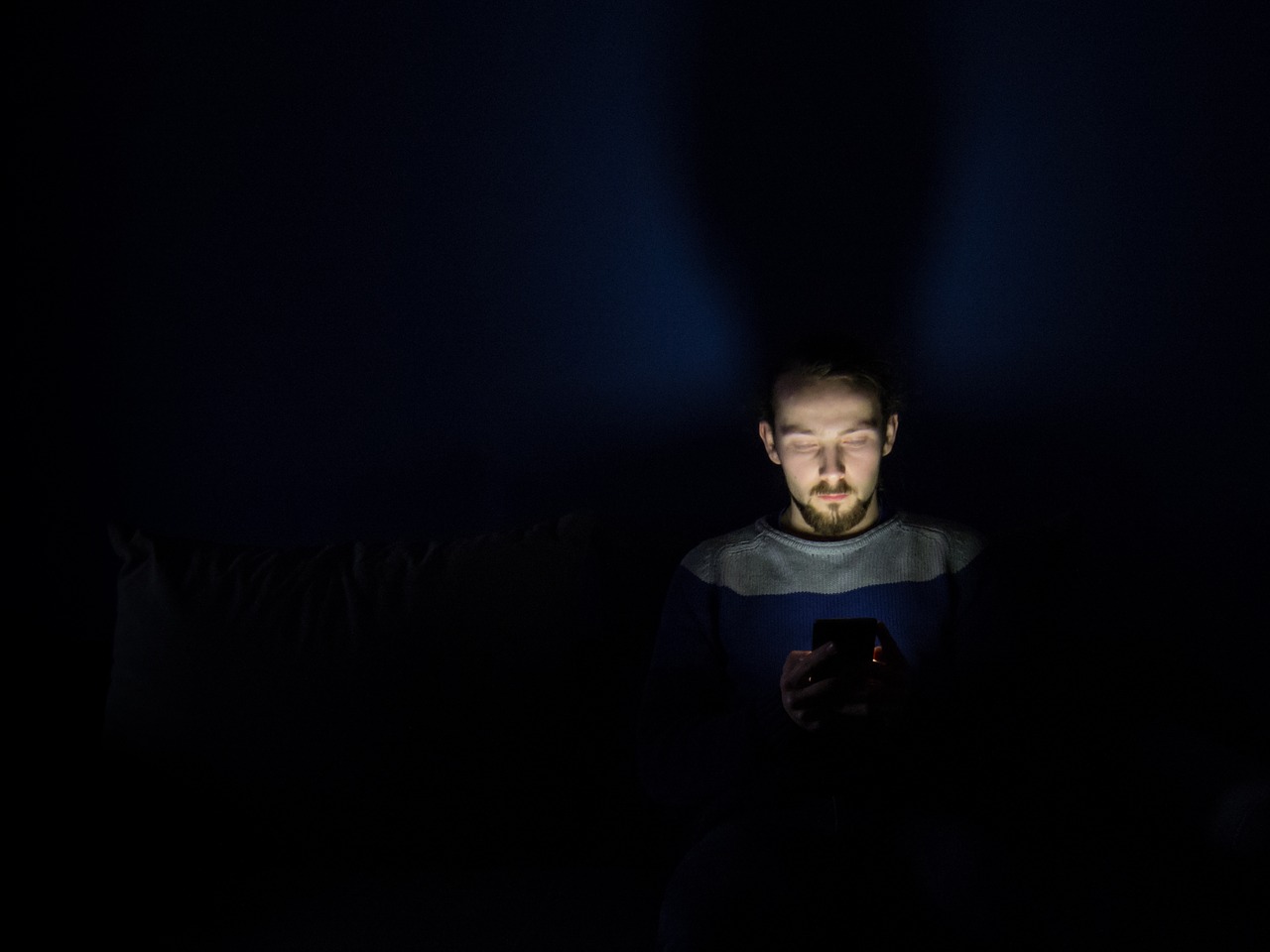
  • Avoid use before bedtime. Try to cut down on phone use in bed or right before sleeping. The bright screen can signal to your body that it’s time to be awake, so you may have trouble falling asleep or experience lower sleep quality. Save the news feed scrolling and video watching for during the day.
  • Use an old-fashioned alarm clock. When you use your phone as your alarm clock, you likely will spend time scrolling on your phone when setting, snoozing or turning off the alarm.

With minor adjustments, you could be a more mindful smartphone user. We hope these tips help curb excessive phone use. If you think your phone use may be unhealthy, create an action plan that works for your life and schedule. To achieve a healthy balance, focus on apps and content that enrich your life or are necessary for work.

3 Ways Your Cell Phone Is Harming Your Sleep

harming your sleep

harming your sleepThe personal electronic devices that help make your daily life easier may be doing the opposite in regard to your nightly sleep habits. If you’re having a hard time falling and staying asleep, your cellphone, TV and tablet may be to blame. Keep reading so see how these devices are actually harming your sleep. 

The Negative Effects

Researchers at Harvard identified three main ways that using your phone, or any electronic device, before going to bed can derail your sleep schedule:

  1. Melatonin suppression. The Harvard study revealed that those who used electronic devices before going to sleep had lower levels of the sleep-regulating hormone, melatonin. That’s because the blue light emitted by electronic devices suppresses the production of melatonin. Melatonin controls your circadian rhythm—your body’s natural sleep and wake clock.
  2. Later sleep onset. The study also found that the amount of time it took to fall asleep was longer for those who used electronic devices than for those who didn’t. If you’re mindlessly scrolling through social media sites instead of reading a book or meditating, it’s more likely that you’ll have a harder time falling asleep.
  3. Reduced REM sleep. Research shows that electronic device usage before bed results in a reduced amount of rapid eye movement (REM) sleep cycles. REM sleep is a vital component of our sleep patterns.

What Can You Do?

To prevent the harmful effects of electronic devices, there are a few steps that you can take, including:

  • Check your device’s settings for a “nighttime” mode, which adjusts the screen lighting to promote sleep.
  • Refrain from using your phone for at least an hour before bed.
  • Set your device’s sound settings to “silent”. This way you won’t be woken by texts or emails while you’re trying to sleep.
  • Try reading a book or meditating to relax before bed instead of using your phone or watching TV.

Cell phones are an important part of our daily life, however take the above tips into consideration and quit harming your sleep. For more information on sleep-promoting activities, contact your doctor today.

What You Need To Know About Winter Storms, And How To Prepare

winter storms

winter stormsPreparing for winter storms is crucial to your safety. As such, it’s important to become familiar with winter storm warning signals and appropriate prevention measures so that you can avoid cold weather injuries.

Winter Weather Warnings

Familiarize yourself with the following weather alerts in order to know what actions you may need to take:

  • Winter storm watch—Be alert, because a storm is likely.
  • Winter weather advisory—Experts expect conditions to cause significant hazards, especially to motorists.
  • Frost/freeze warning—Experts expect below-freezing temperatures and potential damage to plants or crops.
  • Winter storm warning—Take action, because a storm is entering—or is already in—the local area.
  • Blizzard warning—A combination of snow and strong winds will produce blinding snow, minimal visibility, deep drifts and life-threatening temperatures. Seek refuge immediately.

Preventing Cold Weather Injuries

To prevent serious injuries from extreme cold, do the following:

  • Select proper clothing for cold, wet and windy conditions, and layer clothing when possible, making sure to include layers that repel moisture away from the skin.
  • Take frequent breaks in warm, dry shelters whenever possible.
  • Avoid overexerting yourself, as your body needs this energy to keep your muscles warm.
  • When you know you will be exposed to extreme cold, prepare yourself warm beverages to drink and high-calorie foods to consume. However, avoid drinks containing caffeine or alcohol.

Other Winter Storm Hazards

Be on the lookout for the following winter storm hazards:

  • Adverse driving conditions, such as low visibility and slippery roadways
  • Icy walkways and sidewalks, which could cause slips and falls
  • Falling objects, like icicles, tree limbs and utility poles
  • Electrocution due to downed power lines or downed objects in contact with power lines
  • Exhaustion, dehydration and back injuries from conducting manual labor in the snow

We hope this information helps to keep you and your family safe during any winter storms we may receive this year! 

5 Ways to Start Your Year Off Right

Like many other people, you may be thinking about what you would like to accomplish in 2022 or what life changes you could make. Common New Year’s resolutions include losing weight, exercising, getting organized, learning new skills and saving money.

Additionally, the pandemic has likely given you time to reflect and think about what you’d like to change about your lifestyle. This is an excellent time to make positive life changes and strive for an overall healthier self. Consider the following five tips to start your year off right:

  1. Check in on your mental health. Mental health is just as important as physical health in building a healthy lifestyle. Reach out to a professional if you need help.
  2. Be social. The COVID-19 pandemic triggered feelings of loneliness for many. Reconnect with others virtually or while practicing social distancing. Be social in a way that you’re comfortable with.
  3. Get regular checkups. Stay up to date on your annual physicals and necessary health tests. Screenings can help identify health issues to be addressed.
  4. Drink more water. Consuming sugary drinks, like juice or soda, can cause liver damage, premature aging and anxiety. Avoid excessive alcohol consumption as well.
  5. Count nutrients, not calories. Focus on improving the overall quality of your diet and not getting hung up on calories. Achieve this by adding more fiber, protein and probiotics to your diet.

If you do just one thing in 2022, try making time for yourself. Identify the activities that make you happy or fulfilled and prioritize them. Talk to your doctor or mental health professional for guidance and support with lifestyle changes.

We hope this helps you to start your year off right. Happy 2022! 

Thanksgiving Turkey Preparation Safety Tips You Need To Know

Thanksgiving

ThanksgivingThanksgiving will be here before we know it and chances are you’re already planning your menu. Everyone loves the green bean casserole, mashed potatoes, sweet potatoes, pumpkin pie, and lets not forget the main star…the turkey! But there are a few thinks to keep in mind when preparing your turkey this Thanksgiving.
  • Thawing – There are three safe ways to thaw food: in the refrigerator, in cold water, and in a microwave oven.
  • Preparation – After preparing the turkey, thoroughly wash your hands and disinfect utensils or surfaces to avoid bacteria from the turkey spreading to other foods.
  • Stuffing – The safest way to prepare stuffing is to cook it outside the turkey in a casserole dish. However, if you prefer to cook the stuffing in the turkey, do so just before cooking, and use a food thermometer. Make sure the center of the stuffing reaches a save minimum internal temperate of 165 degrees F.
  • Cooking – Be sure the turkey is completely thawed, and set the oven a minimum temperate of 325 degrees F. Make sure the stuffing, breast, thigh, and wing joint reach a safe minimum temperature of 165 degrees F.
  • Rest –  When finished, let the turkey stand 20 minutes before removing all stuffing from the cavity and carving the meat.
As long as you follow the above steps you will have a safe and delicious turkey! If you cook your turkey other ways such as smoker or deep fryer ensure you follow proper instructions for each device and keep a safe distance from your home or other structures. No one needs a homeowners insurance claim during the holidays.

Halloween Doesn’t Need To Scare Your Bank Account

Halloween

Halloween

What do you get when you mix costumes, decorations, and candy? A Happy Halloween!!
Those that have children, probably feel the sting a little more while at the check-out. But Halloween doesn’t need to break the bank.

A few tips to keep in mind to help you save money

  • Buy bulk candy to get the most for your money.
  • Ration out how much you will give each Trick-or-Treater.
  • Buy pumpkins close to Halloween to get the best deal.
  • Make your own decorations – use leaves for stuffing in outside decorations, spray paint cardboard or cereal boxes for DIY headstones, or use cotton balls as cobwebs.
  • Make your own costumes or only buy what you have to.

Halloween Safety Tips

In addition to saving money, your family’s safety is extremely important. Costumes, trick-or-treating and pumpkin carving are all Halloween traditions. But there are also dangers associated with each of those activities.

Costume Precautions

  • Do not let children wear baggy or long costumes, as they are difficult to walk in and can be tripping hazards.
  • Purchase wigs, costumes and accessories that are fire-retardant.
  • Select face makeup and paint that is labeled as “FDA Approved” or “Non-toxic” to prevent allergic reactions.
  • Place reflective tape on your children’s costumes and candy buckets if they are going trick-or-treating at night.

Trick-or-Treat Safety

  • Remind children to walk only on the sidewalk and look both ways before crossing the street.
  • Do not allow children under 12 years old to go trick-or-treating by themselves.
  • Remind children to never approach or get into a car with a stranger offering them candy.
  • Once your children get home, inspect their candy.

Pumpkin Carving Tips

  • Only carve pumpkins on a flat surface with good lighting, such as a kitchen table.
  • Use a pumpkin-carving kit that includes tools appropriate for the task.
  • Place lit jack-o’-lanterns away from flammable objects such as sheets and curtains.

Having a good time does not mean spending a lot of money. Even on a budget you can have a spooky Happy Halloween!

6 Things You Need to Know for Camping Safety

camping safety

camping safetyCamping is an activity enjoyed by millions of Americans each year. To keep the experience fun and safe there are some basic precautions that every camper should take. We have put together a list of 6 things you need to know for camping safety.

Essentials

Before setting out it is important that you have the following items:

  • A medical kit—It should include a topical antibiotic, bandages, cotton swabs, diarrhea medication, antacids, scissors, tweezers and burn ointment, at a minimum.
  • Flashlights—Bring several, and ensure beforehand that they are working correctly. Carry along some extra batteries as well. You may wish to purchase an LED flashlight; although more expensive, they last much longer.
  • Water—It is never a good idea to drink from natural water sources such as lakes or streams. Bring along bottled water, water purification tablets or a water purifier. If you decide to bring bottled water, figure a gallon per person per day to cover drinking and cooking.
  • Sunscreen and sunglasses—Being out in the sun for hours at a time—much less days—can cause irreversible skin and eye damage not to mention the immediate discomfort sunburn will bring to your trip.
  • Waterproof matches— Even if everything else is wet, you can still make a fire.
  • Insect repellant—Not only is sunburn unpleasant, but bug bites can be nasty too.
  • Extra clothing—As hot as it may be during the day, nighttime may be an entirely different story. In addition, should your clothing get wet, you will want dry items to change into.

Tent Placement

It is important to consider the weather while choosing a site to set up camp. Avoid low-lying areas that could flood during a heavy rain. Also, in windy situation avoid setting up your tent under a tree, as possible falling limbs could present a danger. Camping Safety is a priority. 

Animals

  • Never approach or feed a wild animal. While it may look safe, their actions can be unpredictable.
  • If camping in bear country, ensure that all dishes and food are kept at least 200 yards away from where you plan to sleep. Hang cooking utensils and food from a tree while not in use.
  • If you bring along family pets such as the dog, make sure he or she is properly supervised. It is important that your pet does not interfere with nearby campers or indigenous wildlife.

Campfires

Before starting your campfire:

  • Clear the area of overhanging branches and brush.
  • If possible surround the fire pit with rocks and keep a bucket of water nearby.
  • Do not build the fire near the tent(s) or anything else flammable.
  • Never leave a fire unattended and ensure it is completely out before going to bed.
  • Collect firewood from the ground only, never cut into living trees.

Activities

  • Do not hike alone. Bring along a compass, water, snacks, a flashlight, and your cellphone if it operates in that area. The American Red Cross recommends a minimum of four people hike into an unfamiliar remote area, because if one person gets hurt, one can stay with him/her while the other two go and get help.
  • Always supervise children in the water, even if they know how to swim. It is advisable that if the camping site is around water, every camper should know how to swim.

Food Safety

The United States Department of Agriculture recommends the following:

  • Keep hot foods hot and cold foods cold—Bring a cooler with a cold source; since it is difficult to keep items hot, it is suggested that you cook them ahead of time, cool them, and transport them cold to be heated up later.
  • Keep everything clean—Bacteria present on raw meat and poultry can easily spread to other foods, called cross-contamination.
    o When transporting raw meat, double wrap or double bag the products.
    o Always wash your hands before and after handling raw meat.
    o Never use the same platter and utensils for raw meat and cooked.
    o Always cook all cuts of pork, ground beef and lamb to 160 degrees Fahrenheit. All poultry, hot dogs and leftover meat should reach 165 degrees Fahrenheit. Bring a meat thermometer along with your              cooking supplies.
    o Bring disposable wipes or biodegradable soap for hand and dishwashing.

If you are camping for more than one night, you may want to bring the following:

  • Peanut butter in a plastic jar
  • Concentrated juice boxes
  • Canned tuna, ham, chicken or beef
  • Dried noodles and soups
  • Dehydrated foods
  • Dried fruits and nuts
  • Powdered milk and fruit drinks

Make sure you clean up all trash and belongings when leaving your campsite. Always strive to leave things better than you found them so other will get the chance to fully enjoy the beauty of nature just as you have. These camping safety tips should help ensure you have a fun, safe experience!