How to Handle a Surprise Medical Bill

medical bill

medical billIf you’ve ever received a surprise medical bill, you’re not alone. According to a survey conducted by NORC at the University of Chicago, over half of American adults have been surprised by a bill that they had assumed would be covered by their medical insurance. Moreover, only 1 in 5 of these surprise bills were the result of a patient actively seeking out-of-network care.

The situation in which you would receive a surprise medical bill is commonly referred to as balance billing. This article will explain what balance billing is, how to handle a surprise medical bill and tips to help you avoid receiving one in the future.

What is surprise medical billing?

When you seek medical care, you often choose where you go to obtain care based on in-network providers. Choosing in-network care is typically the most affordable option.

Unfortunately, even if you choose an in-network provider or care facility, you may be hit with an unexpected costly bill. This is known as a surprise medical bill or balance bill. There are typically two situations in which surprise medical billing occurs:

  1. Medical services are performed at an in-network facility by an out-of-network provider (situation includes both emergency and non-emergency services)
  2. Emergency medical services are performed by an out-of-network provider

In either of these cases, while there was little patient control over provider selection, the patient will be responsible for the percentage of the bill that insurance doesn’t cover. Essentially, you’re billed the balance that remains on the bill. In the majority of cases, patients were unaware of the out-of-network provider until they received the surprise medical bill.

How common is surprise medical billing?

According to the Kaiser Family Foundation, out-of-network charges resulted in a surprise medical bill in 24 percent of emergency room services provided at an in-network facility. The same study revealed that 18 percent of inpatient admissions resulted in such charges as did 15 percent of admissions in an in-network facility.

Medical services that can often result in balance billing include:

  • Services performed by anesthesiologists, pathologists, neonatologists, intensivists, hospitalists, radiologists and ER doctors
  • Ambulance services, including air ambulances
  • Post-procedure medical equipment (e.g., crutches and wheelchairs)
  • Services performed by a provider not chosen by the patient (lab test analysis)

As previously discussed, the majority of patients didn’t know that the provider of their services weren’t in-network. In fact, 7 out of 10 individuals with costly surprise medical bills had no idea until they received the bill.

Last year, the concept of surprise medical billing made the news when a Texas man suffered a severe “widow-maker” heart attack. While he made a recovery, he was hit with a startling surprise balance bill of nearly $109,000. The man’s emergency care and hospital stay totaled up to $164,941 and his insurance covered $55,840. The hospital where the man was treated was out of his insurance network, which resulted in the extraordinarily expensive surprise balance bill.

The man and his insurance company fought the bill and tried to negotiate it down, and ultimately a deal was made after the story made national headlines. This man’s story is an example of what many Americans experience. Especially when they need emergency care and have little to no choice in where they obtain their care or the services they need in order to save their life. 

Are there any laws in place to protect patients from balance billing?

While not always illegal, balance billing can be incredibly frustrating and financially stressing for patients. Federal and local governments have taken strides to address the problem of surprise medical billing, but the issue still persists.

Handling a Surprise Medical Bill

If you’ve received a surprise medical bill, you still have options. Here are some things that you can do to try to handle your surprise medical bill:

  • Carefully review your medical bill and your insurance’s explanation of benefits (EOB). Your EOB will explain what medical treatments or services your insurer paid for and the amount you still owe. Make sure to ask your health care provider for an itemized bill to ensure that everything you’re being billed for is a medical service that you received. With over 70,000 diagnosis and 71,000 procedure codes that providers and billing departments have to sift through when composing your initial bill, mistakes can unfortunately happen. Carefully reviewing your itemized bill can help you make sure you don’t pay for things you didn’t receive. You can obtain this itemized bill by calling the provider’s billing department and, if necessary, asking to speak to the supervisor.
  • If you’re questioning what’s on your itemized bill, trust your gut. Run the current procedural terminology (CPT) codes from your bill in the CPT/Medicare Payment tool on the American Medical Association’s website. Common CPT code errors include billing for a private inpatient room instead of an outpatient room. Double-charging for services under a bundled CPT code and again under the separate CPT code. And operating room overcharges. If you notice any errors, contact the provider’s billing office and ask to speak to the supervisor.
  • You can also reference the facility’s pre-insurance procedure and service pricing to see if there are any discrepancies between what is on your bill and what the hospital would charge. By law, every facility must post this chargemaster online. It’s important to note that the chargemaster data doesn’t take any insurance discounts or network cost agreements into account. However, you can still get some insight into what your base charges may be.
  • If you’ve gone through your bill and find that you still owe unexpected charges, it’s time to negotiate. Call your provider’s billing department, ask to speak to a supervisor and try to work out a deal. You may need to schedule an in-person meeting or call more than once. A Consumer Reports survey revealed that 57 percent of those who negotiated payment of their medical bills were successful in lowering their amount owed. While you shouldn’t expect to make your bill disappear, you should hope to find a happy medium. For example, you can ask the billing department supervisor if they would accept what your insurance is willing to pay. This way, the provider is still receiving payment for the services, but you’re not paying a large amount out-of-pocket. If you’re not comfortable negotiating with a billing department, or if you’re having a hard time striking a deal, you may want to consider hiring a medical billing advocate to do so on your behalf.
  • Ask to work out a payment plan if you’re not able to pay your balance owed out-of-pocket. Ask the billing department if you can set up affordable monthly payments to pay off your unexpected bill amount. Many billing departments will work with you. But the only way to find out is to ask if they’ll offer that option to you.

Avoiding Surprise Medical Bills

While you can’t always avoid receiving a surprise medical bill, being a wise health care consumer whenever possible can help lessen the possibility that you will receive one. Of course, in an emergency and life-threatening situation, you should seek out the nearest care center.

For planned medical services, you should do your due diligence and find out what is covered before you obtain those services. Never assume that just because you’re receiving care at an in-network facility that your health care provider will be an in-network provider, too. The same can be said about where you’re receiving treatment. Your provider could be an in-network provider but the facility in which you’re receiving care could be an out-of-network facility. This could result in facility charges. 

Asking questions about the care you need to receive can be intimidating. But doing so can help you avoid surprise medical bills. Being an informed consumer can help you make the most informed health decisions and protect your wallet.

If you need help with understanding your health insurance benefits or even assistance with reviewing a claim, we can help. 

Click here to learn about health insurance.

Click here to contact us.

 

Visit Us At The 14th Annual Business Expo This Thursday

Business Expo

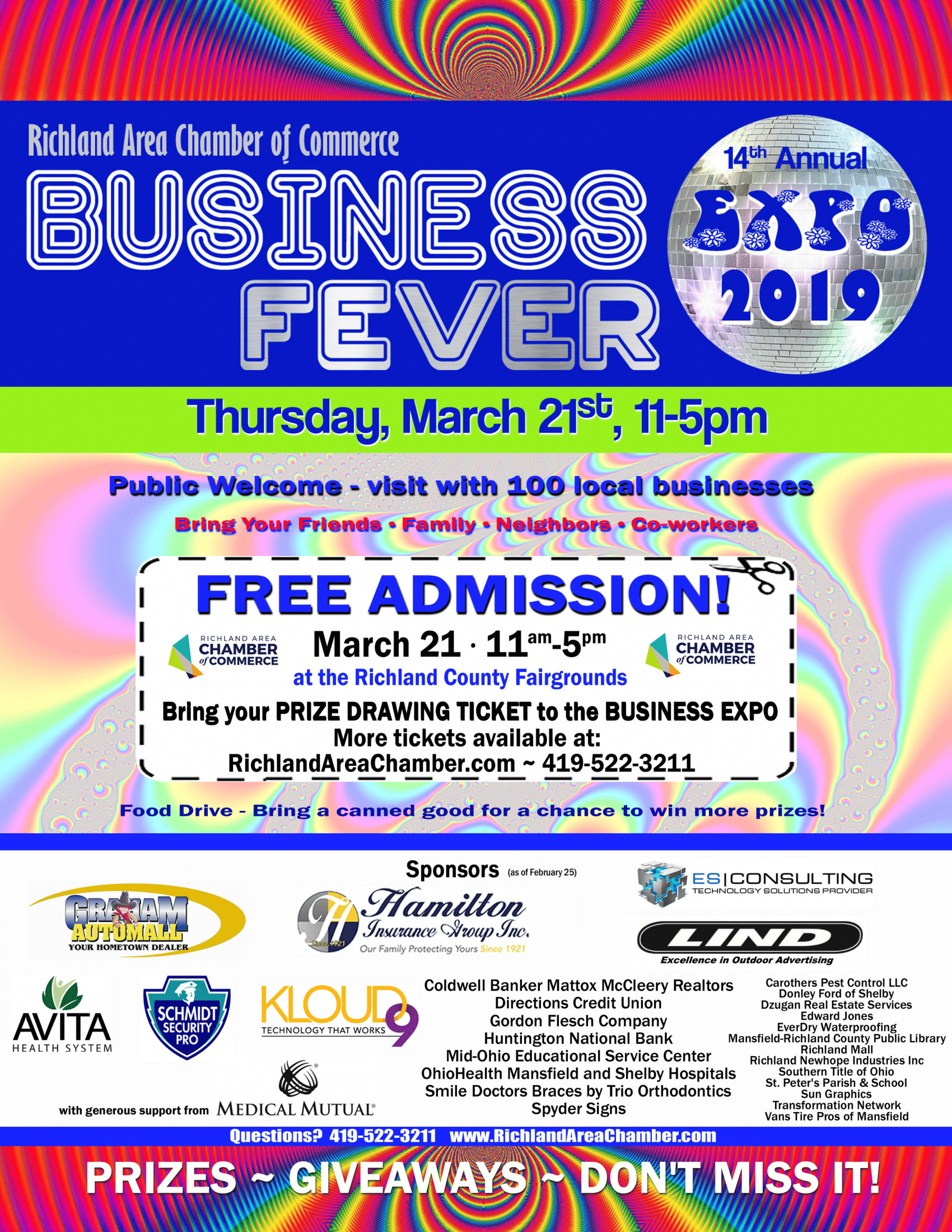
Business ExpoThis weekend marks the 14 Annual Richland Area Chamber of Commerce Business Expo. Our agency, along with 100 other vendors, will be set up at the Richland County Fairgrounds. The Business Expo is a great way to meet local businesses and learn about what they have to offer. And each year has a theme. This year’s theme will be 70’s Disco. Our agents will be at the booth and we will have our best Disco Theme on display. 

Admission and parking is free and is open to the public. The Expo will also be having a food drive. So bring a canned good to be entered in the door prize drawing! Make sure to stop by our booth as we will be having a drawing of our own! To learn more see the flyer below or go to Richland Area Chamber of Commerce Business Expo

Business Expo

Fire Safety and Prevention, What You Need To Know

Fire Safety

Fire SafetyHome is where the heart is…it’s also where your family, prized possessions and most fond memories are. Home is also the same place that has the greatest risk of fire. Nearly 80% of fire deaths in the US each year occur in the home. Are you taking steps to keep your home and family safe?

Fire Safety

  • Check all electrical appliances, cords and outlets. makes sure they are all in working condition, without loose or frayed cords or plugs.
  • Use caution with portable heaters. Never place one where a child or pet could accidentally knock it over, and keep it at least 3 feet away from flammable objects.
  • Be careful in the kitchen. Cooking is the leading cause of home fires. Always practice safe cooking habits, such as turning pot handles to avoid being knocked over, and supervising children while cooking.
  • Check the fireplace. It should be kept clean and covered with a screen to keep sparks contained. Burn only wood in a home fireplace and never leave a fire burning unattended.
  • Beware of cigarettes. They are the number one cause of fire deaths in the US. Most are started when ashes or butts fall into couches or chairs, so use caution if you smoke in your home.
  • Use candles safely. Keep them out of the reach of children, away from curtains and furniture, and extinguish them before you leave the room. Do not allow children to use candles when unsupervised by an adult. 
  • Be aware of holiday dangers. If you use a cut Christmas tree, be sure to keep it watered daily, and inspect all lights yearly for worn or frayed cords.

Fire Prevention

  • Install smoke alarms on every level of your home.
  • Use the smoke alarm’s test button to check it every month and replace the batteries at least once a year. 
  • Replace smoke alarms every 10 years. 
  • Plan escape routes by determining at least two ways to escape from every room. 
  • Caution everyone to stay low to the floor while escaping and never open doors that are hot. 
  • Select a safe location outside your home where everyone should meet, and practice your escape plan at least twice a year so everyone knows it well. 

Do you need to discuss homeowners insurance with one of our agents? Click here to learn more or Click here to contact us. 

Share these tips with everyone you care about, you can never be too careful! 
Your friends at Rinehart-Walters-Danner Insurance.   


The Flu And How It Affects You

the fluEvery year, anywhere from 5% – 20% of the U.S. population gets the flu. Around 200,000 people are hospitalized due to its complications, and another 36,000 die from it. Those are some shocking numbers!!

So what exactly is the flu?

The flu is an infection of the respiratory tract caused by the influenza virus. It can cause mild to severe illness, and at times can cause complications leading to death.

Flu Symptoms often include some or all of the following:

  • Fever or chills
  • Headache
  • Fatigue
  • Coughing and/or sore throat
  • Runny or stuffy nose
  • Muscle or body aches
  • Stomach ailments such as nausea, vomiting and diarrhea (this is more common in children than adults)

The flu is spread primarily with coughing, sneezing or talking close to others. It can also be spread if an individual touches a surface that was touched by an infected person, and then touches his or her own mouth, eyes or nose. People are typically contagious from 1 day before symptoms start to 7 days after symptoms appear.

So what do you do if you have the flu?

  • Stay home from work or school
  • Get lots of sleep
  • Drink plenty of fluids
  • Take over-the-counter (OTC) medications appropriate for your symptoms
  • Seek medical attention if you are concerned

The best way to treat the flu is to avoid it all together. Prevention is the key to keep the flu away. Simple things such as getting a flu shot, keeping your distance from sick people or washing you hands immediately after interaction with them and maintaining a health immune system by eating health and exercising regularly are all things that can help you avoid getting the flu.

In the unfortunate event the flu turns into something more serious seek immediate medical attention. Now may be a good time to also review your insurance coverage to make sure you have insurance coverage if you are unable to work for an extended period of time. 

How To Avoid Back Injuries While Shoveling

shoveling

  • shovelingYou arrive home after a long day of work and go figure…you can’t get into your driveway because the snow is too deep. After wading through the snow to get in the house, get on your snow gear and grab a shovel, it’s time to get shoveling. This is no easy task and you will quickly break a sweat, but be careful not to break your back.


Shoveling Precautions

It’s a good idea to warm up your muscles before shoveling by walking around for a few minutes or marching in place. Then stretch your arms and legs to allow your muscles to move more efficiently. (You wouldn’t run a marathon before warming up, this should be no different). After you’re all warmed up make sure you use the correct snow shovel. A bigger shovel doesn’t always mean better, especially with heavy snow. Look for a D-grip handle to provide a hand placement position that is more angled to the mounting surface.

Make sure to use proper technique while shoveling (yes there is such a thing). Stand with your feet at hip width apart to maintain your balance while keeping the shovel close to your body. Then, bend at the knees, not your back, and tighten your abdominal muscles as you lift the load on the shovel. If you need to move a load to one side of your body, re-position your feet to face the direction in which the load is good.

Dealing with the snow is bad enough, why have to deal with doctors, chiropractors and your health insurance too?

What You Need To Know If You Have Employees Working Outdoors In The Cold

Working Outdoors in the cold

Working Outdoors in the coldEmployees working outdoors in the cold are at risk of serious health problems. They are at risk for hypothermia, frostbite, dehydration and muscle injuries, just to name a few. Frigid temperatures can also cause additional pain for those who suffer from arthritis and rheumatism.

Click here to learn more about hypothermia.

To prevent injuries and illness as a result of working outdoors in the cold, it’s important to learn about the causes, symptoms and safety considerations to take so you are prepared to handle winter’s worst.

Causes of Cold Weather Injuries

According to the Occupational Safety and Health Administration (OSHA), there is no exact temperature at which the environment becomes hazardous. Instead, factors such as low temperatures, wind speed and wetness contribute to cold-induced injuries and illness.

  • Exposed skin freezes within one minute at -20° F when the wind speed is five miles per hour (mph), and will freeze at 10° F if the wind speed is 20 mph.
  • When skin or clothing is wet, injury or illness can occur in temperatures above 10° F, and even above freezing (32° F).
  • When the body is unable to warm itself, hypothermia and frostbite can set in, resulting in permanent tissue damage and even death.

Signs of Injury and Illness

If you or a co-worker have any of the following symptoms, get indoors and alert your supervisor or call for medical attention if they do not subside:

  • Uncontrollable shivering
  • Slurred speech
  • Clumsy movements
  • Fatigue
  • Confused behavior
  • White or grayish-yellow area(s) of the skin
  • Skin that feels “waxy”
  • Numbness

It’s important to note that many people suffering from the warning signs of frostbite do not notice because the tissue is numb. Therefore, it is wise for employees to check on each other periodically.

Safety Considerations

To reduce the risk of cold-induced injuries:

  • Layer clothing to keep warm enough to be safe, but cool enough to avoid perspiring excessively. It should also contain the following:
  • Inner layer – a synthetic weave to keep perspiration away from the body
  • Middle layer – wool or synthetic fabric to absorb sweat and retain body heat.
  • Outer layer – material designed to break the wind and allow for ventilation, such as GORE-TEX®.
  • Wear a hat. Almost 40 percent of your body heat escapes from your head. If you wear a hard hat, add a winter liner that covers your neck.
  • Place heat packets in gloves, vests, boots and hats to add heat to the body.
  • Watch out for the effects of cold temperatures on common body functions, such as:
  • Reduced dexterity and hand usage
  • Cold tool handles reducing your grip force
  • The skin’s reduced ability to feel pain in cold temperatures
  • Reduced muscle power and time to exhaustion

No one wants to see anyone get injured or worse. Even though you have business insurance coverage, you definitely do not want to use it. Taking extra precautions to keep employees and yourself safe are the key to get through these winter months.

Click here to learn more about business insurance information. 


4 Ways To Save On Prescription Medications

Prescription

PrescriptionIt’s not uncommon to be on some sort of monthly prescription medication these days. Regardless of what they are, changes are you are looking for ways to cut costs or find less expensive alternatives. We have put together a list of 4 tips to help you with this tasks. 

1) Look for Generic Alternatives

If you are on a brand name prescription, ask your doctor about the generic equivalent. Many times, the generic works just as well as the brand name. Many of the generics have the same active ingredients as the brand name. Your Doctor will be able to determine if this is a good solution for you or not. 

2) Use Mail Order Services

Most health insurance plans offer mail order services on maintenance medications. You can typically receive a 90 day supply direct to your door. And, some plans give you a discount purchasing 90 days at a time instead of the typical 30 days. 

3) Check for Discounts Through The Drug Manufacturer

Did you know that many brand name drugs offer discounts directly through the drug manufacturer. Your doctors office typically has information about these offers. You can also find information by looking online. Many discounts offer that prescription medication to you at specific discount. Others offer some sort of copay assistance where it reduces your copay. There is usually some sort of coupon or rebate card for these services. 

4) Visit the GoodRx website

The website GoodRx is a tool you can use to find the best discount for your prescription. It also tells you the retailer that has that prescription at the lowest cost. Simply visit the website, enter the name of your prescription and click the search button. You will be presented with a list of results and if available, direct links to coupons or discounts. 

You can visit their website by clicking here.

We hope you have found some great tips in this blog. Please share this information with others. 

Everything You Need To Know About Blood Donation For National Blood Donor Month

National Blood Donor Month

National Blood Donor MonthDid you know January is National Blood Donor Month? It was declared in 1970 by President Richard Nixon to pay tribute to voluntary blood donors and increase donations by others. Each year the Red Cross holds numerous blood drives to collect donations for those in need. This year they are holding a local event on January 7th to “Celebrate National Blood Donor month by giving blood”. You can find the details by Clicking Here

About Blood Donation

Blood is needed for many reasons, including during emergencies and for people with cancer, blood disorders, sickle cell anemia and other illnesses. However, blood can only come from a volunteer donor—meaning donating blood can be the difference between life and death.

Who can donate?

In general, to donate blood, you must be healthy, at least 17 years old, weigh at least 110 pounds and not have donated blood in the past 56 days. Depending on state law, 16 year olds may be able to donate with parental consent.

Women who are pregnant are not allowed to donate. If you recently traveled outside of the United States, you will be asked a series of questions to determine eligibility.

Is donating blood safe?

Absolutely. The needles and bags used to collect the blood are sterile, only used once and then discarded.

Can I donate if I’ve been turned down before?

Yes, you should try to donate again. Most reasons for donors being turned down are only temporary (for example, due to recent travel outside of the United States or a recent immunization).

Should I give blood now or wait until I am called?

If you want to donate, don’t wait. Eligible donors are encouraged to donate as often as possible. To schedule an appointment, call 1-800-RED-CROSS.

How long does it take to donate?

Donating blood takes about an hour and 15 minutes. The process starts with registration, a health history and a mini-physical. Then, if eligible, you move on to the actual donation, which usually only takes about eight to 10 minutes. The final step is enjoying refreshments while your body adjusts to the slight decrease in fluid volume.

How much blood is taken—will it make me weak?

You will only lose approximately one pint of blood. The vast majority of donors do not feel any different after their donation. A small percentage of people feel lightheaded, dizzy or have an upset stomach after donating blood. Your body will replace the lost fluid within 24 hours.

Can I direct my blood donation to the military?

Yes, you can. The American Red Cross has created a network that will help direct your blood donation to the areas of the country—or world—where it is needed the most.

How can I ensure a pleasant donation experience?

To ensure a positive experience, try the following tips:

  • Get a good night’s sleep before donating.
  • Eat a good breakfast or lunch before you donate.
  • Make sure you have adequate iron levels by eating iron-rich foods such as clams, spinach, beef and poultry.
  • Wear a shirt with short sleeves or sleeves that can easily be pushed over the elbow.
  • Drink plenty of fluids beforehand, but avoid caffeine.

After donating blood, take the following precautions:

  • Make sure to eat and drink something at the facility and continue drinking non-alcoholic fluids over the next 24 to 48 hours to rehydrate.
  • Avoid heavy lifting or strenuous exercise for the remainder of the day.
  • Eat well and consider adding iron-rich foods to your diet to replace iron lost during your blood donation.

By donating a pint of blood, you can help up to three people in need. Use the tips above to ensure a positive blood donation experience.

A Rinehart Insurance White Elephant Gift Exchange

White Elephant

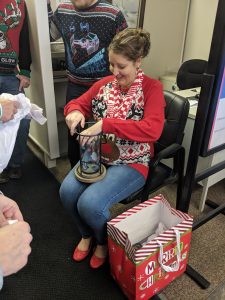
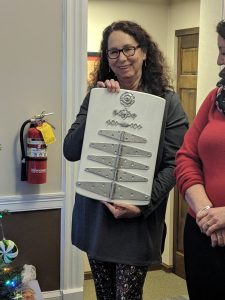
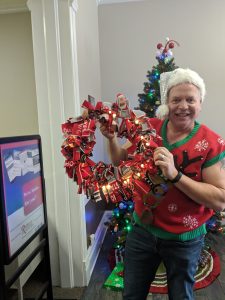
Rinehart Insurance White Elephant 2018Have you ever been to a Christmas party where they do a white elephant gift exchange? Here at Rinehart Insurance it’s an annual tradition. We require the gift to be homemade for an added bit of fun! 

What are the rules?

We found the official rules at White Elephant Rules website. – Click here to visit the site

  1. Each person brings one wrapped gift to put under the tree.
  2. Everyone draws a number, this determines what order they will go in.
  3. Gather around the tree where you can see all the gifts.
  4. Player one picks a gift and opens it.
  5. Player two can pick a gift from under the tree, or steal an already opened gift. Anyone with their gift stolen, can open a new gift or steal someone else’s gift. 
    1. A present can only be stolen once per turn, which means players who have a gift stolen from them have to wait to get it back.
    2. After three steals, the gift is “frozen” and can no longer be stolen. Whoever has it, gets to keep it 🙂 
  6. After all players have a turn, the first player gets a chance to swap the gift they are holding for any other open gift. (except for the gifts that are “frozen”). 
  7. The End! 

A white elephant gift exchange is a great addition to your Christmas party. We hope these rules will help you have loads of fun and laughter. 

Check out the fun from our 2018 White Elephant Gift Exchange

Rinehart Insurance White Elephant 2018Rinehart Insurance White Elephant 2018Rinehart Insurance White Elephant 2018Rinehart Insurance White Elephant 2018


Most Important Tips For When You Rent Out Your Home

rent out your home

rent out your homeYou’ve made the decision to rent out your home. Whether it’s because you will be gone for an extended period of time or you have bought a new one, this is a big decision. But just because you no longer live there, doesn’t mean you no longer need insurance on the property.

Points to remember when you rent out your home

  • Ask for references from potential renters, especially those that will stay for a while.
  • Draw up a rental agreement that defines the terms of the rental, including restrictions, liabilities and occupancy guidelines.
  • Request a security deposit that is to be refunded if there is no damage to your home.
  • Advise your agent that you plan to rent out your home and ask about how this may affect your current coverage.
  • Consider hiring a property manager to look out for your home if you are renting for a long period of time.
  • Set aside a secure place in your home to store personal items, such as clothing and valuables.
  • Take pictures of all areas of your home before the rental takes place in case damage occurs while you are away.
  • Have your mail forwarded or held until you return.
  • Provide your contact information to both the renters and your neighbors in case of an emergency.

Renters Insurance

When a renter purchases renters insurance that only covers their personal belongings. You, the property owner, still need to cover the property. Liability coverage is also available for you to purchase you in the event someone would get injured.

When you decide to rent out your home, your #1 priority is protecting yourself. Do you need help making sure your coverage is enough? Give us a call today