Sitting All Day…It’s Not As Nice As It Sounds

Sitting all day

A worker that spends all day on their feet may think “I would love to have a desk job and get to sit all day.” As nice as that sounds, doctors are saying that sitting is a pervasive problem that harms your health. According to Mayo Clinic, researchers have linked sitting for long periods of time with a number of health concerns, including obesity and metabolic syndrome — a cluster of conditions that includes increased blood pressure, high blood sugar, excess body fat around the waist and abnormal cholesterol levels. Approximately 80% of American’s work a non-active job, making sitting all-day common.

Just because you may have a desk job or sit for long periods in the day doesn’t mean your doomed to bad health. A few simple tips can help you sit less, move more and improve your health.

  • Stand while talking on the phone
  • Have a walking or standing meeting
  • Stand up and stretch at least every hour
  • Wear a pedometer and keep track of how many steps you are taking in a day
  • Take the stairs when possible
  • If possible, walk or bike to work

Many employers also offer wellness programs with their health insurance benefits that include walking programs and may even provide free or discounted pedometers. Need help reviewing your health insurance coverage? Contact us today, we can help!


Daylight Saving Time, Time To Spring Forward.

Daylight Saving Time


This Sunday marks the start of Daylight Saving Time, also referred to as “Spring Forward.”

Sunday March 13th at 2:00 AM we will turn our clock forward 1 hour to 3:00 AM. Daylight Saving Time is the practice of setting the clocks forward one hour from standard time during the summer months, and back again in the fall in order to make better use of natural daylight.

This friendly reminder comes from your friends at Rinehart Insurance.

Tips to Avoid Trouble When Buying A Used Car

It’s income tax time and for many that means it’s time to purchase a “new” used car. Many dealerships will run deals to clear their lots or you may even find a private seller that has purchased a new car and needs to get rid of their older one. While this is a great time to get a deal on a used car, it could also be a great time to get ripped-off.

So what should you watch for?

*  Excessive wear and tear in the interior, regardless of what the odometer says, is a clue that the car has seen some miles. Look for:
o    Brake pedal pad worn through the metal beneath
o    Driver’s seat outer edge is worn through.
o    Water leaking directly under the floor mats.
*  Damp, musty odors are indications of leaks in the windshield, weather stripping or heater core.
*  Cars that ride lower in the front as compared to the back indicate worn springs.

*  Vehicles that bounce when pushed on indicate worn shocks and struts.

*  Tires with worn outer edges from the front end represent the need for an alignment.
*  Clanking noises when the vehicle is in gear point towards a problem with the drive shaft universal joints.
*  Repainted body panels. Check this by looking at the colors of adjoining panels to see if they match the front fender.
* Motor oil that is not full indicates that the engine may be leaking or burning oil.
* Knocking and ticking sounds that increase as the engine speed increases represent major problems and costly repairs.
*  Transmission fluid that is black or brown may indicate internal damage.
*  Banging, grinding or squeaking noises indicates a damaged or broken transmission mount.

Last but not least don’t forget to check into what the auto insurance cost will be. Call us today for help.

February is American Heart Month

Heart Month

Did you know that the month of love is also Heart month? Heart disease is the leading cause of death for men and women in the United States. Every year, 1 in 4 deaths are caused by heart disease. Can you recognize the signs of a heart attack? If not, remember the common symptoms, and seek emergency medical assistance if you or someone with you experiences any of the following:

  • Chest discomfort – pressure, squeezing, fullness or pain
  • Shortness of breath
  • Breaking out into a cold sweat, dizziness or nausea

Protecting your heart is easy! Here’s how:

  • Eat a diet rich in fruits and vegetables.
  • Exercise regularly – 30 minutes most days of the week.
  • Avoid saturated fats, trans fats and excess sodium (salt).
  • Avoid eating foods that are high in calories, even though they may be labeled as “low fat.”
  • Do not smoke.

Preventative visits are essential to heart health and early detection of any problem. Most health insurance plans cover preventative visits at 100% or with a small copay. Do you need help determining your preventative coverage benefits? Give us a call today.


Tips to Reduce Food Waste

Reduce Food Waste - RInehart Insurance

According to the United Nations, Americans throw away 40 percent of their food. Considering rising food prices, food waste is an expensive habit. According to the American Chemistry Council, the average American throws away $640 of wasted food every year. Sounds like we need to find a way to reduce food waste.

Food waste also has a serious impact on the environment. According to the United Nations, food waste makes up 20 percent of landfill space in the United States, and it’s estimated that 28 percent of the world’s agricultural land is used to grow food that will never be eaten. That’s why the United Nations began a new campaign to cut worldwide food waste in half by 2030.

Do your part to reduce food waste. Help save money and protect the environment by following these simple tips:

  • Plan Ahead: Before heading to the grocery store, plan your meals for the entire week and make a list of everything you need. Stick to your list and avoid impulse purchases.
  • Take Stock: Keep track of the food currently sitting on your kitchen shelves or in the refrigerator, and incorporate ingredients that are getting close to their expiration dates into your weekly meal plans.
  • Eat Leftovers: This is one of the simplest and most effective ways to reduce wasted food and save money. Pack leftovers into a work lunch for the next day, or freeze them to be eaten at a later date.
  • Store Properly: Store cereals and grains in airtight containers, and make sure lettuce and salad greens have been washed and dried to avoid becoming prematurely soggy.
  • Donate: Give nonperishable food items you don’t plan on using to a local charity or food kitchen. This ensures that foods get used before their expiration dates, and it will help others in need.

Need a recommendation on where to donate extra food? Give us a call, we work with numerous local businesses, non-profits and shelters that would greatly appreciate donations.

Workplace Germs

Workplace Germs - Rinehart Insurance

As we transition into cooler weather, many people find themselves battling illness. Even though you may be great at keeping a clean, germ-free home, what about workplace germs? Did you know that the typical employee’s workstation has more bacteria per square inch than an office toilet seat? Door handles, shared kitchen appliances, desks, phones and other private surfaces are also prime habitats for the viruses and bacteria that cause colds, the flu, strep throat, pneumonia and other illnesses.

Even if you keep your workspace clean, it may be not free of workplace germs. Keep the following points in mind and share them with your co-workers:

  • Germ-busting at the workplace is a team effort. It only takes one person to infect healthy co-workers.
  • Regular cleaning of personal work spaces kills bacteria and stops the spread of germs.
  • Frequent cleaning of shared workplaces (door handles, coffee pots, light switches, work equipment, etc.) is essential in maintaining sanitary safety. Disinfection is the goal, so be sure to use a true disinfectant, not just an anti-bacterial product. Daily disinfection reduces bacteria levels by 99%, drastically lowering the risk of illness.
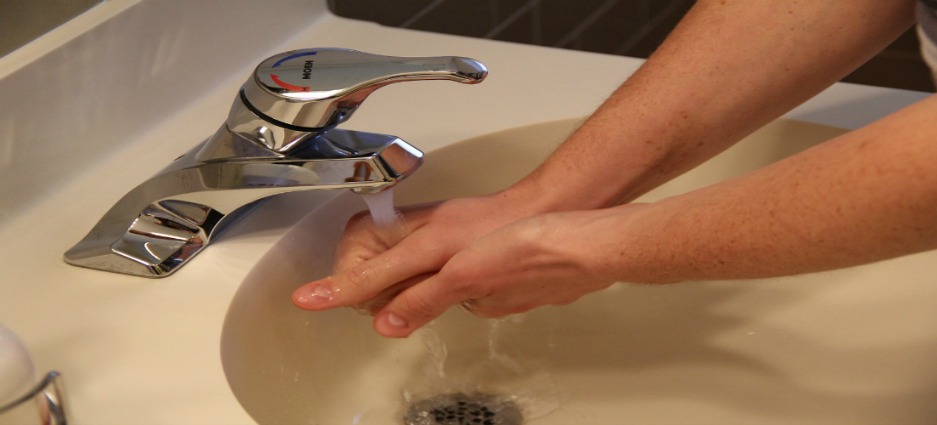
  • Be considerate of others and cough or sneeze into tissues, your sleeve or the crook of your arm. Wash your hands often and sanitize using alcohol-based disposable hand wipes or gel. Consider having these in any common areas, including kitchens and washrooms.

Doing your part to kill workplace germs will help keep yourself and your co-workers healthy. Did you know that many health insurance plans also offer free or discounted flu shots?  Don’t know how your plan covers the flu shot? We can help. Call us today.

Comprehensive vs Collision Coverage

So what is Comprehensive vs Collision Coverage?

New car – check, loan finalized – check, insurance purchased – check. But do you understand the last part? If you have a loan for your new car the bank will require you to have collision and comprehensive coverage on your auto policy, but do you understand why? These are two separate coverages and many times, two different deductibles.

Collision covers damages to your car when your car hits, or is hit by, another vehicle or other object.

Comprehensive covers your vehicle for losses resulting from incidents other than a collision. This includes damages to your car if it is stolen or damaged by flood, fire, falling objects or animals.

Understanding the difference between Comprehensive vs Collision coverage and your auto policy is very important. How do you know if you are properly protected if you don’t understand what you have. You may think you have enough but chances are you may need additional coverages to protect your finances. Contact us today, we’re here to help!

Auto Insurance Rates and Traffic Violations

Auto Insurance Rates

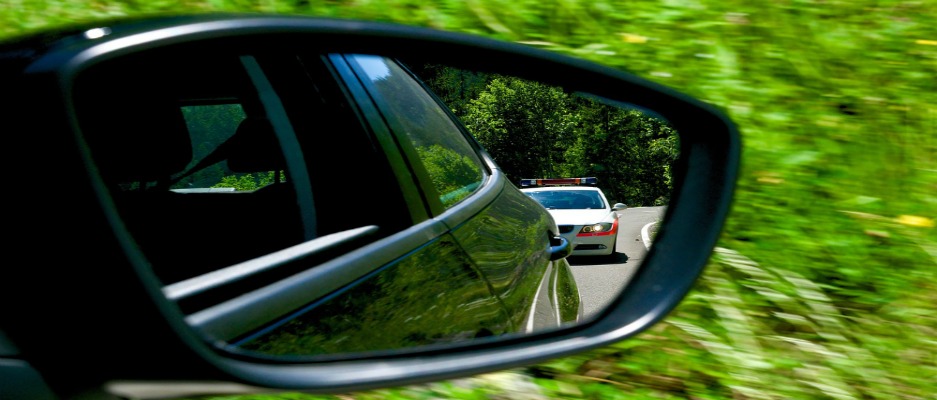
Auto insurance rates can be impacted by all types of traffic violations. Generally, the type and severity of the violation will determine exactly how your premiums are affected. Here are some examples of incidents that could impact your rates:

  • Speeding
  • Failure to use a seat belt
  • DUI convictions
  • Illegal use of a cellphone
  • Running a stoplight or stop-sign

Of course, the easiest way to keep your premiums low is to obey all traffic laws and stay safe on the road. Contact your Rinehart, Walters & Danner Insurance representative today with any questions you have about auto insurance.

Halloween Safety…It Never Hurts To Plan Ahead

Halloween

Halloween is a month away and chances are your child is already thinking about what they want to dress up as. On Halloween you can be anything they want – a ghost, firefighter, skeleton, the list goes on and on… But as a parent, you also want to make sure your child is safe while in costume and going from house to house trick-or-treating. 

Here are a few tips to help you do just that: 

  • Do not let children wear costumes that are long, baggy or loose. This could cause a tripping hazard and be hard to walk in.
  • Choose costumes, wigs and accessories made from fire-retardant material.
  • Select brightly colored costumes so that drivers can see children as they trick-or-treat. Also, add strips of reflective tape to costumes and trick-or-treat bags/buckets.
  • If face paint is part of the costume, make sure it is “FDA Approved” or “Non-Toxic”. This could help you avoid an allergic reaction.
  • Do not allow children under age 12 to trick-or-treat alone. Children over 12 should still have help planning a safe route before leaving the house. 
  • Instruct children to never approach a car to accept treats. Just because it’s Halloween doesn’t mean every person is friendly.
  • In the unfortunate event there is a mishap and medical attention is needed, remember that most health insurance plans have a smaller Urgent Care co-pay then what an Emergency Room co-pay would be.
Have a conversation with your kids early so they understand what to do and what is expected during trick-or-treat. After all, it is all about having fun!


Winterizing Your Home And Preventing Claims.

Winterize

With the first day of Autumn here, it’s time to think about winterizing your home. Taking precautions early won’t just save you headaches later, but it could save you from having a claim on your homeowners insurance. We all know how fast Ohio weather can change, so it’s best to get an early start!

The best way to start winterizing your home is by taking a walk around your home and assessing what needs to be done.

  • Make sure to remove clogs in your gutters and check for water damage while up on the roof.
  • Check your doors and windows for missing weather stripping to help keep out the cool air.
  • Turn off the outside faucets and cover to protect against freezing.
  • Inspect the foundation for cracks and gaps to prevent animals from getting in out of the cold weather.
  • Look at your home’s siding for missing pieces.

If you find any problems while winterizing your home make sure to fix yourself or call a professional for help. Taking the right precautions can help problems from getting worse.