OSHA Releases 2013 List Of Most Frequent Violations

If you are a business owner you are probably familiar with OSHA or The Occupational Safety & Health Administration. They are part of the US Department of Labor and were created to assure safe and healthful working conditions for men and women. Workers are entitled to safe working conditions and they can report your business if they feel they are being put in harms way.

OSHA has released a list of the top 10 most frequently cited violation for 2013. This includes:

  1. Fall Protection
  2. Hazard Communication
  3. Scaffolding
  4. Respiratory Protection
  5. Electrical Wiring Methods
  6. Powered Industrial Trucks
  7. Ladders
  8. Lockout/Tagout
  9. Electrical Systems Design
  10. Machine Guarding

As a business owner you can use this list to not only ensure you pass OSHA standards but to also help reduce your workers compensation claims. Not only will workers compensation claims cost your additional money with pay for time off and production loss but you could also see in increase in your insurance information. 

Need more information on OSHA standards or workplace safety? We can help. Call us today at 419-522-9892 for information today.

Avoid A Christmas Weight Gain

It’s Christmas season and you know what that means, big dinners and delicious deserts! Between the work, friend and family gatherings that can add up to a lot of meals. So what can you do to reduce your chances of having a new years resolution to loose all the weight you gained over Christmas?

Well, it’s easier said than done but eat healthy. If you’re the one hosting the party you can choose healthier food options or make healthier recipes. If you’re a guest it’s a little harder but there are still steps you can take. Avoid standing near the food table is a huge step. Make socializing your top priority as it will keep you occupied and help keep you from snacking. Drink water when possible as it is the option with the least amount of calories. If you do indulge in soda or an adult beverage, drink water between drinks and have diet sodas.

We all know there will be some weight gain during Christmas but taking little stops now can help keep it in control for later. One other tip, if you are hosting the party, make sure your homeowners coverage is up to date in the event that someone would slip and fall on icy steps or sidewalk.

Choosing Safe Toys for Kids

It’s that time of the year and many of us are finishing up Christmas shopping. If you have children on your list, this is an extra special time. One of the many joys of Christmas is watching their little faces light up with joy as they unwrap their gifts. As a parent one concern among all this joy is “are these toys safe?” Fortunately for consumers, toy manufacturers design product labels to reduce the guesswork for an adult when they are trying to buy safe toys. In addition to the recommendations found on toy labels, here are some toy-buying guidelines to keep in mind. 

Under 3 Years
Avoid:

  • Toys with small parts that are 1.75 inches or less in size, as these items can be easily swallowed or inserted into noses and ears
  • Toys with ribbons and straps that can strangle children or toys with sharp edges and points
Suggested:
  • Rattles, teething rings and squeeze toys
  • Floor gyms and activity quilts
Ages 3-5
Avoid:
  • Toys made of plastic that can easily break into smaller pieces
  • Toxic art supplies that are not designed for use by children
Suggested:
  • Construction toys
  • Puzzles
Ages 6-8
Avoid:
  • Toys that can break or that possess potential hazards
Suggested:
  • Complex gym equipment
  • Sports equipment such as baseball gloves, tennis rackets or basketballs
Ages 9-12
Avoid:
  • Toys that are too dangerous for children to operate, such as BB gun or slingshot
Suggested:
  • Three-dimensional puzzles
All of us at Rinehart-Walters-Danner Insurance hope these tips help you finish up your shopping and help ensure you have a safe and Merry Christmas. 
 
Image source: Flickr: Hans Splinter


Cyber Week Safety Tips

With Cyber Monday under our belts, we’ve been hearing how many online retailers are extending the sales all week!! While that’s a wonderful think, keep in mind that online shopping can be risky if you don’t take proper precautions.

    • Purchase merchandise only from reputable sellers, and be suspicious of websites that do not provide contact information; also be wary if the seller only accepts wire transfers or cash.
  • Do not respond to or click on links contained within unsolicited (spam) email.


  • Be cautious of emails claiming to contain pictures in attached files; the files may contain viruses. Only open attachments from known senders. Scan the attachments for viruses if possible.


  • Log on directly to the official website for the business identified in the email instead of linking to it from an unsolicited email. If the email appears to be from your bank, credit card issuer, or other company you deal with frequently, your statements or official correspondence from the business will provide the proper contact information.


  • Contact the actual business that supposedly sent the email to verify that the email is genuine.


  • If you are requested to act quickly or there is an emergency that requires your attention, it may be a scam. Fraudsters create a sense of urgency to get you to act quickly.


  • Remember—if it looks too good to be true, it probably is.


Prevent Fires When Using Space Heaters

“The weather outside is frightful, but the fire is so delightful”…well not all of us have a fire place but a space heater will make due. Supplemental heating, such a space heaters, is the leading cause of home fires from December through February. To help avoid a home fire and a homeowners insurance claim, keep these tips in mind this winter:

·         Do not use space heaters to warm bedding, cook food, thaw pipes or dry clothing. These tasks can present major fire and burn risks.
·         Only use space heaters with the Underwriters Laboratories (UL) safety mark. The UL mark signifies that the product was tested for potential safety hazards. Also, purchase units that have automatic shut-off features and heating element guards.
·         Keep sources of fire at least 3 feet away from the heater, including drapery, clothing and bedding.
·         Turn off space heaters when leaving the room and going to sleep.
·         Always supervise children and pets around heaters to prevent burn injuries.
·         Periodically check for frayed insulation, broken wires and overheating. Have your space heater serviced immediately if you notice any of these problems.
·         Avoid using extension cords with space heaters. If you must do so, make sure that the cord is the right gauge size and type for the heater.


Christmas Tree Decorating Safety

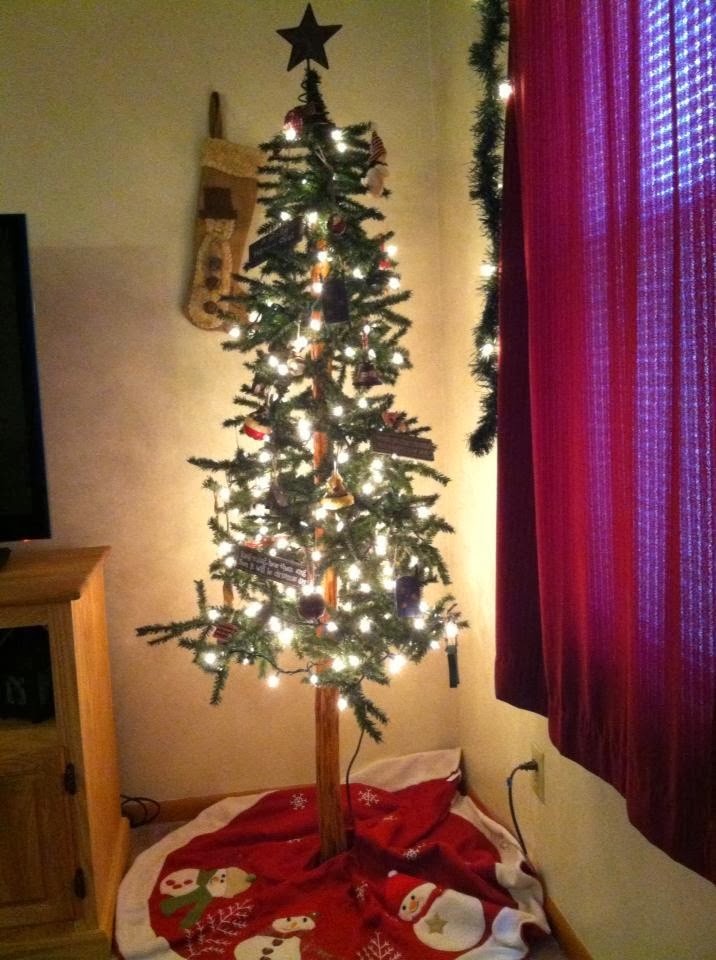
Nothing says Christmas like a twinkling tree adorned with decorations. Thanksgiving is almost here and for many that means its time to decorate for Christmas. But decorating the tree is not all fun and games. There are a few things to keep in mind.

If you’re a real tree fan, make a 1- or 2 – inch diagonal cut from the trunk of a Christmas tree before placing it in a water-holding stand. This will allow the tree to collect water more easily. The stand should also have widespread legs and water in it at all times to reduce the risk of fire. This will also ensure that your tree lasts until Christmas.

When decorating the tree inspect new and previously used lights for damage and throw away any that are broken. Always buy lights and other electric decorations bearing the name of an independent testing lab, such as UL. When using them, follow the manufacturer’s instructions for installation and maintenance. Also, do not connect more than three sets of lights to one extension cord. This of course goes for real or artificial trees.

With a few extra steps during the decorating process, you can ensure that you have a beautiful and safe home this holiday season.

Will You Participate In The Great American Smokeout Tomorrow?

The third Thursday of November each year marks the American Cancer Society’s Great American Smokeout. Smokers are encouraged to make a plan to quit smoking. By quitting smokers are taking steps towards a healthier life and lowering their chances of cancer.

“Tobacco use remains the single largest preventable cause of disease and premature death in the US.”* On top of increased health problems, smoking also takes a toll on your budget. Between the cost of the cigarettes and increased health insurance premiums, smoking can really break the bank.

Want to stop? There are several options. Talk to your Dr, they may recommend a patch, gum or prescription. There are support groups with other smokers that can help you get through the rough times. Also, check with your health insurance provider. Many carriers offer smoking cessation programs that will coach you through the process. Some also offer free supplies or a reward after you complete the program. Need help checking into if your health insurance carrier offers a smoking cessation program? Call us (419-522-9892), we can help!

Image source: Nicolas Raymond, RGBStock.com

“Use-or-Loose” Change For FSAs


Under Internal Code (Code) section 125, a health flexible spending account (FSA) is an employer-sponsored account that employees can use to pay for or reimburse their qualifying medical expenses on a tax-free basis, up to the amount contributed for the plan year. Health FSAs are subject to a “use-or-lose” rule stating that any unused funds at the end of the plan year (plus any applicable grace period) will be forfeited.
On October 31, 2013 the Internal Revenue Service (IRS) released Notice 2013-71 which relaxes the “use-or-loose” rule for health FSAs. Under the relaxed rule, employers will now be allowed to allow participants to carry over up to $500 in unused funds into the next year.
Does this change affect your employees or you personally? Contact us today to get more information. 419-522-9892

How Our Higher Education Helps You!

A leading insurance professional organization recently recognized Gary Walters, President of Rinehart-Walters-Danner Insurance for dedication and ongoing leadership in the insurance industry. The Society of Certified Insurance Counselors (CIC) honored Gary for ten years of successfully maintaining the Certified Insurance Counselor designation, denoting significant commitment to advanced knowledge and customer service.
Along with Gary, our agency has 4 other professionals holding the CIC designation, 4 professionals holding the CISR (Certified Insurance Service Representatives) and 1 professional working on the CRM (Certified Risk Managers) Program.
But what does this all mean to you, our clients? Well, we not only have the desire to do what’s best for you and your family, but have the education and knowledge to get it done. These programs are nationally recognized as the premier continuing education programs for insurance professionals. In order to receive each designation, a professional must complete five 8-20 hour courses (depending on program) and pass an exam after each course. Not an simple task. Why do it, to be the best we can be and to better serve our community and clients!