Do I Really Need Dental Insurance?

dental insurance

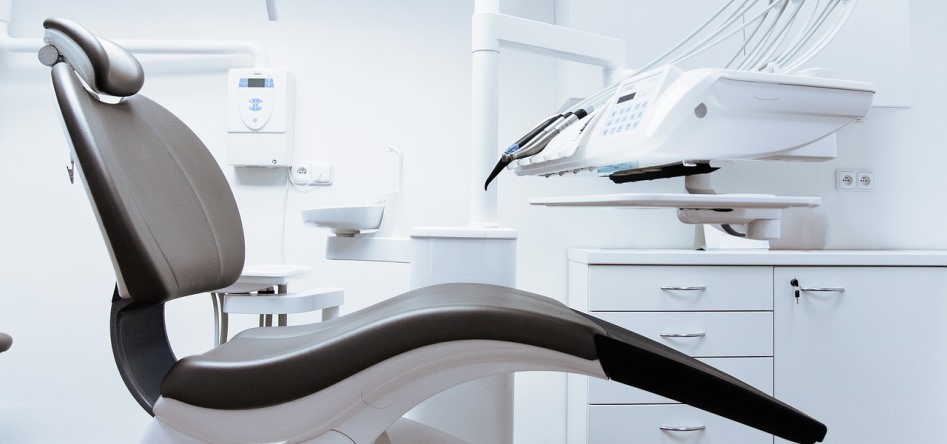
In addition to providing you with a nice smile, dental care also ensures good oral and overall health. dental insuranceSeveral studies suggest that oral diseases, such as periodontists (gum disease), can affect other areas of your body. Affected areas include your heart. Regular dental exams, just like regular physical exams, are extremely important. However, these dental exams are not typically included in your medical benefits. That’s where dental insurance comes in. 

What is dental insurance?

Dental insurance is similar to regular medical insurance. The main difference is that it is designed to provide coverage for dental care. Just like your medical plan, you will typically have preventative care services coverage, as well as additional coverage for more involved procedures. A typical plan will have the following classes: 

  • Class 1 – diagnostic and preventative care (cleanings, exams, X-rays)
  • Class 2 – basic care and procedures (fillings, root canals)
  • Class 3 – major care and procedures (crowns, bridges, dentures) 

Some plans even go one step farther and offer an additional class: 

  • Class 4 – orthodontia (braces) 

How do I get dental insurance?

There are 2 ways to purchase dental insurance.

Some employers offer dental insurance as part of their benefits package. They may pay or portion of the premium, or the cost could be completely your responsibility. Regardless, if offered by your employer, they have elected a type of dental coverage to offer, and you can choose if you want to elect the coverage, or decline it. Depending on the size of the employer, they may offer a couple of benefits. However, it will still be the same concept. They pick the plan design and you choose if you want the coverage or not.  

Another way to get dental insurance is to enroll in your own individual policy. By enrolling in a plan this way, you pick what type of benefits you want. Your benefits will be based on your individual needs. You can then purchase the plan directly from an insurance company or by an insurance agent. We have plans available by clicking here

Regardless of how you purchase your dental insurance, understanding your benefits is important. The costs are associated with dental disease and surgery are high. Dental insurance can help reduce those expenses. 

Safety Tips For All Your Holiday Decorating Needs

holiday decorating

holiday decoratingIt’s cooling down and holiday spirit is in the air. For many, it’s time to start holiday decorating! While holiday decorating adds beauty to your home, it can also bring added risk. Trees, garlands, and lights can add extra fire hazards if not used properly. The last thing you want for Christmas is a homeowners insurance claim to deal with. But don’t worry, we have a few tips to keep your home and your family safe this holiday. 

Christmas Tree Safety

  • Keep a fresh-cut tree outdoors and cover the trunk in snow, or immerse it in a bucket of water until you are ready to decorate it.
  • When you are ready to put up a live tree, cut a 1- or 2-inch diagonal off the bottom of the trunk. The new cut will help the tree to absorb water, which preserves its freshness.
  • Select a spot for the tree that is at least three feet away from a heat source.
  • Put the tree in a sturdy, water-holding stand with widespread legs, and keep the stand filled with water.
  • Once a tree becomes dried out, do not keep it in your home or garage, as it is highly flammable.

Holiday Lighting Safety

  • Mixing and matching lights can create a fire hazard, so keep outside lights outdoors and inside lights indoors.
  • Always buy lights and electrical decorations bearing the name of an independent testing lab, such as UL, and follow the manufacturer’s instructions for installation and maintenance.
  • Carefully inspect new and previously used light strings before using them. Throw away any that appear damaged.
  • When hanging your lights, string lights together using built-in connectors. Do not join more than 200 midget lights or 50 larger lamps through one string or cord.
  • Do not connect more than three sets of lights to one extension cord.
  • Remember to unplug all decorations and lights, both inside and outside your home, before leaving or going to bed.
  • If you blow a fuse, unplug the lights from the outlet and immediately replace the blown fuse. If the replacement fuse blows again, a short circuit may be present. Throw the faulty light string or decoration away, or if it is new, return it for a refund.
  • When hanging lights outside use a ladder made of non conductive materials to reduce the risk of electrocution. 

Candle Safety

  • Place candles in stable holders and in a spot where they cannot be easily disturbed.
  • Never use lit candles to decorate your Christmas tree.
  • Never leave a burning candle unattended, and always extinguish candles before leaving the room or going to bed.
  • Avoid placing candles near flammable objects.
  • Keep burning candles out of the reach of children.

Taking extra precautions while decorating can be the difference between a relaxing holiday season or a tragic holiday season. 

If you found this information helpful, please share with others. 

The Fundamentals of Your HSA and Retirement

HSA and Retirement

As a working adult you do your best to plan for the future. 401k, IRA, Savings Accounts…those are just a few of the plans you may have in place for your future. But what about your future medical care? Health care costs are rising for everyone, but if you are an older adult, you may face more challenges then most. As you get older the changes of you having additional chronic conditions and medical problems. This can lead to higher medical and prescription costs. 

One option for health insurance coverage is a High Deductible Health Plan (HDHP). Many employers and individuals have moved to these types of plans because of the monthly premium savings. But are you aware of the additional benefit of the HSA account you can open at a financial institution? What about the benefit you get when it comes to your HSA and retirement? Let us explain. 

What is a HSA?

Health savings accounts (HSAs) are tax-advantaged savings accounts that individuals can use to save money for medical expenses. This account is owned by you, not your employer, and money rolls over from year to year. (Unlike a FSA where you “use it or loose it”). You can contribute to your HSA as long as your medical coverage is a High Deductible Health Plan (HDHP). If you switch to another type of health plan, you are no longer eligible to contribute. Also, when you become eligible for Medicare, you are no longer eligible to contribute to an HSA. Regardless of this, the benefits of an HSA can be substantial for adults nearing retirement age.

Click here to learn more about HSA accounts. 

What are the advantages of an HSA?

Because an HSA is paired with a High Deductible Health Plan, that can be a concern for many older adults. Especially if you have chronic medical conditions. These type of health plans have higher deductibles and sometimes higher out-of-pocket costs than a traditional health plan. It is important to remember, however, that the HSA provides a valuable savings component. Your HSA can use used to pay for out-of-pocket costs tax-free or to save money for your future. A few advantages of an HSA include: 

  • Lower Premiums This means that there is more cash to invest in the HSA and to eventually put toward the deductible. (As opposed to paying a higher monthly premium for a lower deductible that comes with a traditional health plan). 
  • Portability – If you leave your job, you can keep the HSA and have the benefit of past investments. 
  • Employer Contributions – Some employers contribute to your HSA as well with either a set dollar amount or will match what you contribute. 
  • Tax-free savings with tax-free interest – HSAs provide tax-free funds to pay medical bills, and funds also accumulate tax-free to save for the future. The best part is, once you turn 65 and are eligible for Medicare, you can use those funds for anything without a penalty. This makes HSAs a valuable retirement savings tool. In fact, HSAs offer more favorable terms than IRAs in terms of saving for retirement health needs. 
  • The catch-up contribution – in addition to the annual limit for the HSA contributions, people ages 55 to 65 can contribute an extra $1,000 per year.

If you are considering an HSA.

Always check the pros and cons before making your decision. If you have many out-of-pocket medical expenses, you may struggle to use your HSA for retirement savings since you will be using the funds for your current bills. The desire to use the HSA as a savings tool may be strong for many and lead them to forgo medical care or purchasing prescription drugs they need. This is never a good idea, as it can lead to more expensive and serious medical complications down the road. 

Talk to your agent about your health plan options and benefits today. 

What You Need To Know About Cold Weather Safety

I think we can officially say the cold weather is here to stay. Whether you are outside decorating or your job requires you to be outdoors, chances are you will be exposed to the joys of cold weather. As we move into the cold wet weather, be conscious of your increased risk of frostbite hypothermia and slips & trips. This is what you need to know about cold weather safety: 

Frostbite

Frostbite usually effects the face or bodily extremities after prolonged exposure to very cold weather or objects. Frostbite is damage to skin and tissue caused by freezing and can range in severity from mild to deep with deep frostbite causing permanent damage and leading to amputation or even death. The key to frostbite recovery is to do it slowly. Place the frostbitten area in warm water (104-107° F) or wrap it in a warm blanket. Never use direct heat – it can burn your numb skin.

Hypothermia

Hypothermia develops when your body loses heat faster than it can replace it. It slowly drains your body’s heat and causes your body to re-route blood from your extremities to the chest in an effort to sustain critical organ function. Hypothermia is not necessarily caused by exposure to freezing temperatures, but any environment that saps the ability for your body to warm itself. Protect yourself by wearing warm, dry clothes. Treat potential hypothermia with gradual re-warming to prevent accidental burning.

Slips & Trips

Slips & trips are common in the winter due to ice and snow. Wear proper cold-weather clothes, such as shoes with suitable traction. Walk slowly and cautiously when treading on ice. Remove any obstacles, such as ice chunks, from walkways to ensure you or others do not injure themselves.

Taking the extra steps to stay warm and remove potential hazards will help you stay on top of cold weather safety. After all…who wants to spend their time off during the holiday’s at a Dr’s office or filing health insurance claims?

How To Ensure Your Family Has A Spooky, Safe Halloween

Safe Halloween

Safe HalloweenWhat do you get when you mix costumes, decorations, and candy? A Happy Halloween!! On Halloween your child can be anything they want to be – a ghost, firefighter, skeleton, the list goes on and on. But, as a parent you want to make sure that your child has a safe Halloween. Haunted Houses and spooky things are fun when you know they’re not real. but Halloween comes with some very real dangers. Don’t fret, there are ways to ensure you and your family have that safe Halloween. 

Costume Safety

For most, the costume is the best part of Halloween fun. You and your child get to pick anyone you want to be and have a night of fun. A few things to keep in mind about costumes:

  • Think safety when selecting costumes. Avoid long, baggy or loose-fitting costumes and shoes that may be difficult to walk in. 
  • Choose costumes, wigs, and accessories made from fire-retardant materials. 
  • Select costume colors and materials that are highly visible to motorists. 
  • Opt for facial makeup instead of a mask that may limit a child’s vision or breathing. 
  • Buy makeup labeled “FDA-approved” or “non-toxic,” and remove makeup promptly to avoid allergies or adverse reactions. 
  • Make sure costume accessories, such as swords or magic wands, are made of flexible materials. 
  • Add strips of reflective tape to costumes and trick-or-treat bags to make children more visible. 

Trick-or-Treating Safety

Trick-or-treating is the highlight of the night for most children. They get to run around in costume and collect candy! What could be better? While it’s a great time for the kids, it can be a bit nerve wracking for the adults wanting to have a safe Halloween. 

  • Remind children to walk only on the sidewalk and look both ways before crossing the street. 
  • Do not allow children under 12 years old to go trick-or-treating by themselves. 
  • Remind children to never approach or get into a car with a stranger offering them candy. 
  • Only visit well-lit houses. 
  • Stay alert for house pets. 
  • Always inspect children’s candy before they eat it. Wrapped treats are the safest. Dispose of fresh fruit, unwrapped or homemade treats, or anything that looks remotely suspicious. 
  • Check for choking hazards, such as hard candy, gum, peanuts or small toys, before letting a small child eat his or her treats.

Pumpkin Carving Safety

Carving pumpkins is an annual tradition for most families. From simple to complex, the options are endless. However, anytime there’s sharp tools or open flames around, there are added risks to keep in mind. 

  • Carve pumpkins on a flat surface with good lighting. 
  • Consider using a pumpkin-carving kit that includes special, easy-to-use cutting tools. 
  • Have children ages 5 and younger draw on the pumpkin’s face – then you do the carving. 
  • Light pumpkins using votive-style candles. 
  • Place lighted pumpkins away from flammable objects, such as curtains. 
  • Never leave lit pumpkins unattended. 

Have a conversation with your kids early so they understand what to do and what is expected during this Halloween season. The season is all about having fun, so take a few extra moments to make sure that it is a fun and safe Halloween. 

Brought to you from your friends at Rinehart Insurance.

If you have any questions about your insurance needs, contact us today. 


Ways To Prevent Lifting Injuries In The Workplace

lifting injuries

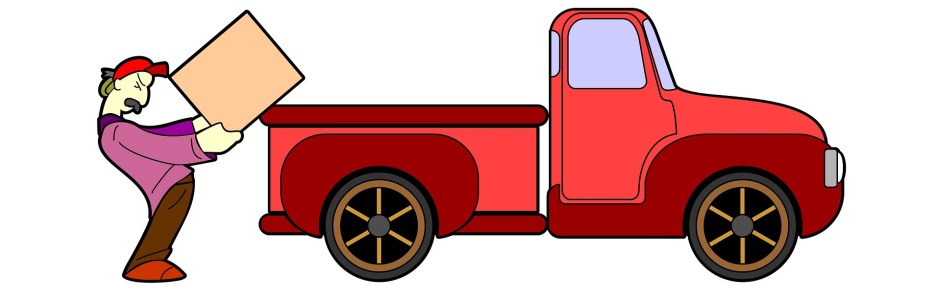
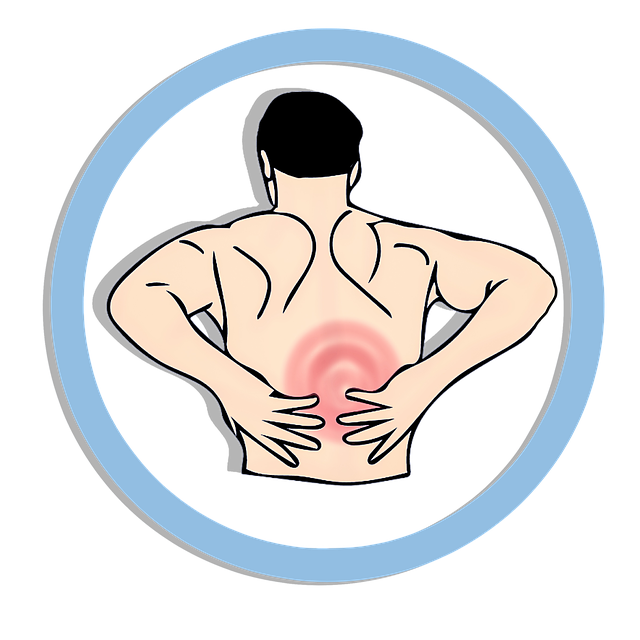
lifting injuriesLifting injuries are an unfortunately common injury in the workplace. It’s been a long day, you’re in a hurry, you’re up against a deadline. Those are all common events in the workplace.Lifting and lowering tasks can cause serious injury if not preformed properly.  It’s such a common activity, we often forget the proper technique to use. 

Safe Lifting Tips

Before lifting an object, estimate it’s weight by tilting it up slowly. If it’s hard to move, it’s too heavy to lift. Get help or use a lifting aid. When in doubt, ask for help. Make sure to always clear away any potential obstacles before carrying the object. 

Get under the load by bending your knees, not your back. Bending over at the waist to reach for the object puts strain on your back, shoulder and neck muscles. Avoid bending and twisting at the same time when possible. When lifting, hold the item or load as closely to your body as possible. Carrying objects will change your balance. Keeping the load close to your body helps maintain your normal center of balance. Make sure to support and propel the object while carrying it. Your grip should be firm.Use good foot positioning keeping your feet shoulder width apart.

To lower the object, bend your knees as you did to pick it up. To place the load on a bench or shelf, set it on the edge and slide it into position. Make sure your hands and feet are clear when lowering the load. 

Team Lifting

When another person is helping you lift, teamwork is very important. If you are carrying the load to another location, make sure to coordinate this prior to lifting the load. Lifting and lowering should be done in unison as you don’t want to suddenly drop the load without warning. 

Proper lifting methods protect against lifting injuries to yourself and others. Suffering an injury will not only affect you personally in your personal and business life, but it will also affect your employer and coworkers. Take some time to practice proper lifting techniques and they will become routine. 

In the unfortunate event of an injury at home or work do you know what kind of chiropractor or doctor benefits you have? Contact us today if you need help reviewing your health insurance or other employee benefits. 

Click here to learn more about health insurance. 

Click here to learn more about proper lifting techniques. 


Important Tips On How To Prevent Truck Rollovers

prevent truck rollovers

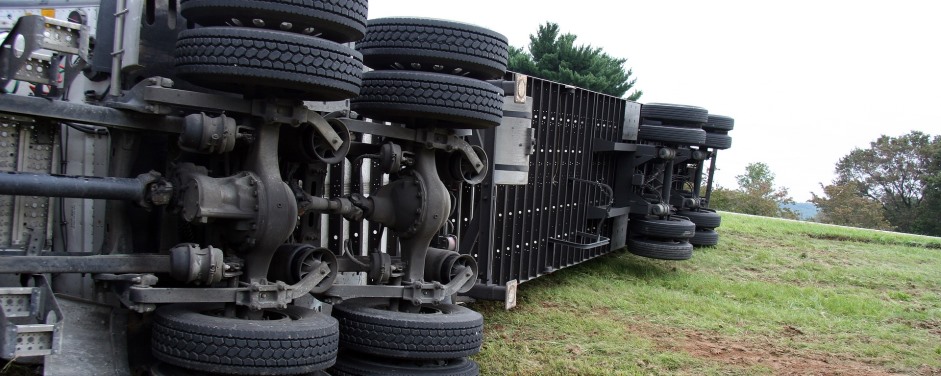
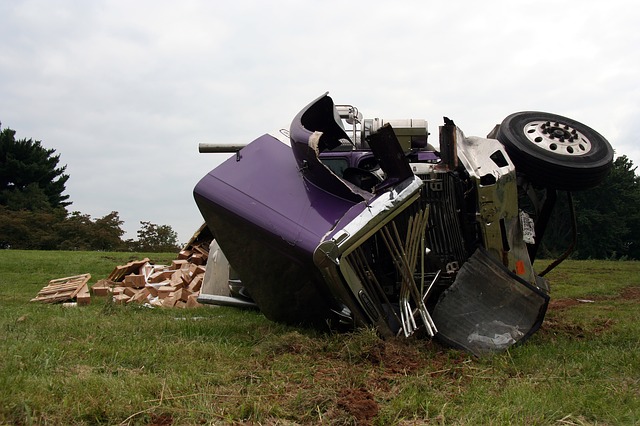
In the trucking industry, rollovers happen daily. But they don’t have to. As a business owner you can reduce your insurance claims and improve the safety of your drivers by taking a few steps. Properly educating drivers, ensuring your trucks have proper maintenance and making sure everyone understands how the trucks handle with different load sizes are a great start to. Even with the best information available, there are still a few myths associated with truck rollovers.prevent truck rollovers

Myth #1: Poor driving conditions lead to most rollovers.

Facts:

  • Less than 4% of single vehicle rollovers are caused by roadway and environmental factors.
  • Approximately 2/3 of rollovers occur in daylight rather than in the dark.
  • 93% of rollovers occur on dry roads.

Myth #2: A majority of rollovers are caused by reckless maneuvers and excessive speeding.

Facts:

  • Avoiding excessive speeds is an important first step to prevent truck rollovers, but there are a host of other factors. Driver fatigues and inattention can also cause accidents.
  • Evasive maneuvers are a factor in only a small percentage of rollovers.

Myth #3: Rollovers only happen to inexperienced drivers.

Fact:

  • Most rollovers involve drivers with over 10 years of driving experience.
  • Most rollovers occur among driers between the age of 25 and 55.

A large majority of truck rollovers are caused by driver error, most crashes are preventable.

Some tips to keep in mind to prevent truck rollovers.

  • Obey speed limits and take it slow around corners.
  • Stay alter. Turning up  the radio or rolling down the windows are not effective ways to keep you alert. There are regulations in place to prevent fatigue-related accidents.
  • Put down your cellphone. It’s both illegal and extremely dangerous to text while driving.
  • Ensure your truck is mechanically sound before your trip.
  • Understand the design and performance of the type of truck you will be driving. For example, tankers handle differently than reefers or flatbeds.
  • Always make sure loads are tied down properly. Shifting loads can easily lead to a rollover.

There are numerous factors that can lead to a rollover. Knowing the risks and how to be safe are a good start to prevent truck rollovers. Deadlines are important, but safety is the number one priority. Do you have a safety program in place? If not, talk to your agent today to see what resources we may have available for you.

Click here to learn more about Commercial Auto Insurance

Click here to contact your agent.

What You Need To Know About Workers’ Compensation Fraud

Workers' Compensation Fraud

Workers' Compensation FraudWorkers’ Compensation insurance is designed to protect employees who are hurt on the job. And while most employees will never use it, there are some that unfortunately need it. This benefit pays for medical expenses, lost wages and other expenses while an employee is healing from their injuries. Most employees are very honest while filing their claim, however, for some that is not the case. Workers’ Compensation fraud occurs when someone knowingly makes a false representation. The National Insurance Crime Bureau reports that billions of false claims are submitted each year. This is concerning to employers because this causes their costs to go up.

Some warning signs to keep in mind.

  • Monday Morning: The alleged injury occurs either “first thing Monday morning,” or late on a Friday afternoon but not reported until Monday.
  • Employment Change: The reported accident occurs immediately before or after a strike, a layoff, the end of a big project or at the conclusion of seasonal work.
  • Job Termination:  If an employee files a post-termination claim:
    • Was the alleged injury reported by the employee prior to termination?
    • Did the employee exhaust his/her unemployment benefits prior to claiming workers’ compensation benefits.
  • History of Changes: The claimant has a history of frequently changing physicians, addresses and places of employment.
  • Medical History: The employee has a pre-existing medical condition that is similar to the alleged work injury.
  • No Witnesses: The accident has no witnesses, and the employee’s own description does not logically support the cause of injury.
  • Conflicting Descriptions: The employee’s description of the accident conflicts with the medical history or First Report of Injury.
  • History of Claims: The claimant has a history of numerous suspicious or litigated claims.
  • Treatment is Refused: The claimant refuses a diagnostic procedure to confirm the nature or extent of an injury.
  • Late Reporting: The employee delays reporting the claim without a reasonable explanation.
  • Hard to Reach: You have difficulty contacting a claimant at home, when he/she is allegedly disabled.
  • Moonlighting: Does the employee have another paying job or do volunteer work?
  • Unusual Coincidence: There is an unusual coincidence between the employee’s alleged date of injury and his/her need for personal time off.
  • Financial Problems: The employee has tried to borrow money from co-workers or the company, or requested pay advances.
  • Hobbies: The employee has a hobby that could cause an injury similar to the alleged work injury.

Do your part to eliminate fraud.

Strong workplace safety programs make it harder for dishonest employees to create false workplace injuries. Also, set strict injury reporting guidelines so you can monitor claims from the beginning. Take a strong stand against Workers’ Compensation fraud. Set a no tolerance standard and penalize anyone abusing the claim system.

Click here for business insurance information.

Do you suspect a fraudulent claim? if so you can call 1-800-OHIOBWC or visit their website to complete a Fraud Allegation Form.


Food Safety Is The Key To A Successful Tailgate Party

Tailgate party

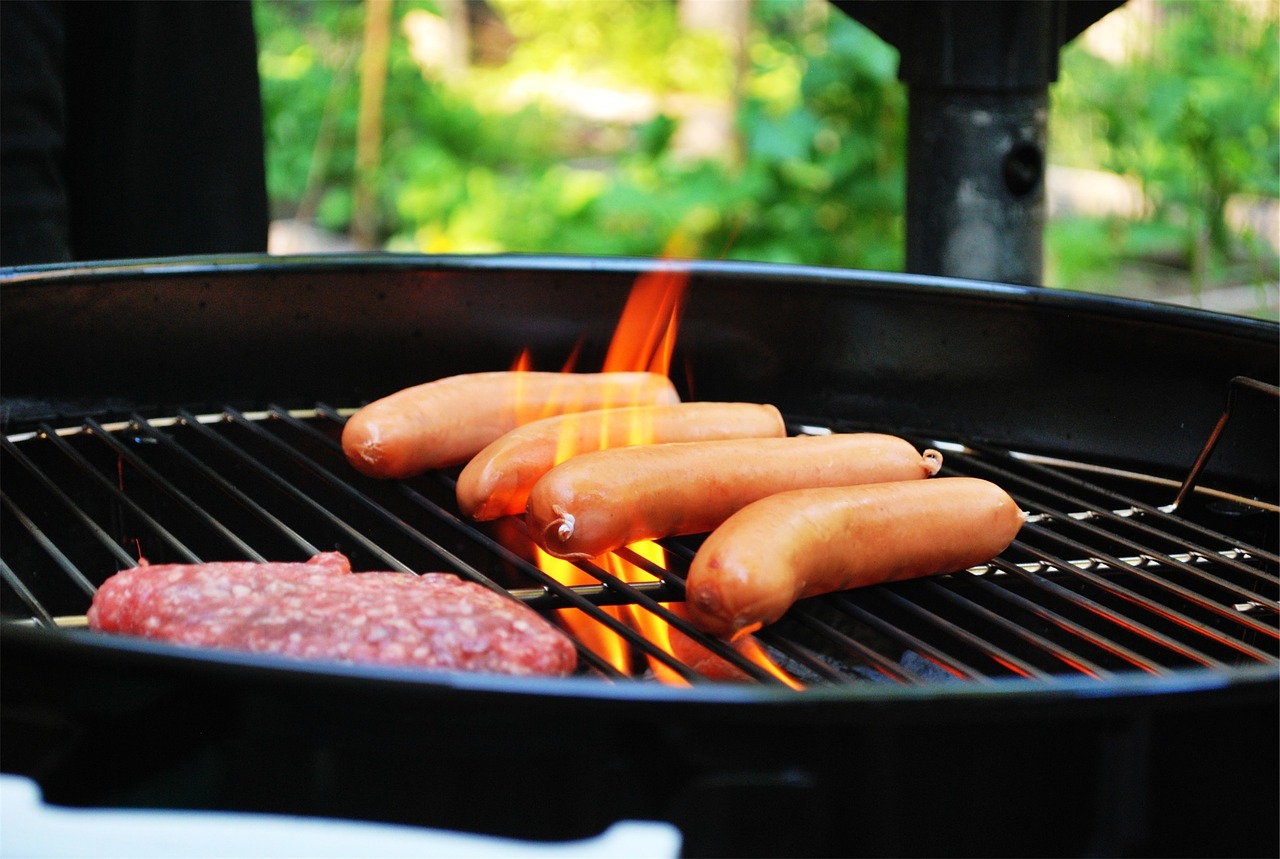
Summer is coming to an end, school is about to start again, and the weather is going from warm to cool. For many that can mean only one thing. It’s Football season! When many think of football, they also think of another beloved pastime, the tailgate party. Whether you plan or attend the tailgate party, for many it’s the best part of football season. The game, friendships, fun, and the food. But as with any good thing, they also come with a few risks. Food poisoning can quickly take your day of fun and turn it into a day of misery.

Practice Food Safety To Avoid Being Sidelined

Each year millions of people fall ill due to food poisoning. This occurs after consuming foods that are contaminated during preparation. A few tips to help keep your tailgate party on track.

Thaw Food Properly.

When thawing food, outer sections warm up faster than inner sections. This can cause microorganisms to grow. Thaw food out in the refrigerator or under running water. Only that foods in the microwave that will be cooked immediately.

Preparing Food Safely. 

Prevent cross contaminating foods by washing hands using hot, soapy water before handling foods and between touching different types of foods. Use separate cutting boards and utensils for raw and already prepared/cooked foods. Clean all food surfaces and equipment after each task, especially when handling raw foods.

Cook to Proper Temperatures. 

Use a food thermometer to make sure meats, chicken, turkey, fish and casseroles are cooked to a safe internal temperature.

  • Roasts and steaks should be cooked to at least 145 degrees F.
  • Ground meat should be cooked to at least 160 degrees F.
  • Whole chicken or turkey should be cooked to 180 degrees F.

Cooling and Reheating Food. 

Refrigerate or freeze prepared food and leftovers within two hours. To properly reheat food, it must reach an internal temperature of 165 degrees F for at least 15 seconds.

If You Are Traveling With Food 

If you are traveling with food make sure to be prepared and bring along anything extra you may need.

  • Keep hot foods hot and cold foods cold.
  • Keep everything clean. When transporting raw meat, double wrap or double bag the products. Bring disposable wipes or paper towels to wipe down working surfaces, utensils and hands.

By taking some extra steps you can ensure that you have a great tailgate party experience. We want to make sure you and your loved ones are protected. We are here for all of your auto, home, life and health needs.

Click here to contact us today.


What You Need To Know About Auto Insurance And Road Trips

Auto Insurance

Auto Insurance

With the new school year just around the corner, many families are trying to fit in one last vacation. For many that means…ROAD TRIP! Before you hit the road in the family car, there are a few things to check. Most of us know to check the oil, tire pressure, and things like that. But there’s one last thing to check. Your auto insurance. Before you leave your driveway, you should be sure that you have the proper auto insurance.

Understand the basics.

Most auto insurance plans are going to have the same basic coverage. Making sure you understand how they work and the expenses you could be responsible for is critical. In the event of an accident you don’t want to be surprised with additional costs or find out your deductibles are higher than you thought. Below are some of the most common auto insurance coverage.

  • Property coverage pays for damage to or theft of your car
  • Liability coverage pays for your legal responsibility to others for bodily injury or property damage. Most states require car owners to purchase a minimum of bodily injury and property damage liability insurance. (However, you should always purchase more than the minimum required).
  • Medical coverage pays for the cost of treating injuries, rehabilitation and sometimes lost wages and funeral expenses.

Collision and Comprehensive coverage

These coverage’s are separate from each other and will each have their own deductible.

  • Collision coverage – Collision coverage pays for the cost to repair damages to a vehicle due to an accident either with another vehicle or an object.
  • Comprehensive coverage – Comprehensive coverage pays for damage to your vehicle that is caused by theft, vandalism, fire, natural disasters or hitting an animal.

Click here to learn more about Collision vs Comprehensive coverage

Types of Liability coverage

Bodily Injury Liability (BI): This covers injuries that you, the designated driver or policyholder cause to someone else. It does NOT cover the cost of damages to your vehicle, or to you or other people on your property.

Property Damage Liability (PD): Covers you or someone driving the car with your permission if the car damages someone else’s property. It also provides you with legal defense if another party files a lawsuit against you.

Medical Payments (MP) or Personal Injury Protection (PIP): This is no-fault coverage provides medical expenses to you and your passengers injured in an accident.

Uninsured and Underinsured Motorists Coverage (UM or UIM): This coverage will reimburse you if you are hit by an uninsured or hit-and-run drive or when an at-fault driver has insufficient insurance to pay for your total loss.

Optional coverage options

Some of the most common optional coverage options include rental car reimbursement and towing and road side service coverage. One of the last things you want to worry about after an accident is how you’re going to get around and pay for additional transportation. With rental car reimbursement you will be able to rent a replacement car. The insurance will pay for the rental of that car until your car is fixed or until your coverage limits run out.

With Towing and road side service coverage, you can call towing or emergency roadside service to help when you run into unfortunate mishaps. Flat tire, locking keys in the car, running out of gas, those are just a few examples of where this coverage can help.

Don’t wait to review your auto insurance coverage until it’s time to use it. Contact your agent today to review your policy today. Have you purchased additional options or do you have a standard plan? Now’s the time to review it and add anything you may have a need for in the future.

Please share this information with others. Make sure they are aware of what they need to know about auto insurance and road trips. 

Click here to contact your agent today.