
4 Summer Safety Tips You Need To Remember

Summer Safety

Summer SafetyIt’s getting warmer and the school year is over. You know what that means? It’s almost summer time! While you and your family will be having more fun in the sun, it’s important to remember a few summer safety tips. Make sure you are taking appropriate precautions against the sun, bugs, and the fun outdoor activities. We have 5 summer safety tips to keep in mind as this warmer weather approaches. 

#1. Heat and Sun Safety

It’s great to soak up a few rays of sun, but there can be too much of a good thing. Make sure to drink plenty of water, dress for the weather and eat light. Heat Exhaustion and Heat Stroke can be very serious and scary conditions. Heat Exhaustion occurs when a person cannot sweat enough to cook the body. Usually the result of not drinking enough fluids during hot weather. Heat Stroke is the result of untreated heat exhaustion. Make sure to keep an eye on your loved ones to make sure they are not showing any changes in their behavior or physical well being. 

#2. Insect Bites and Allergies

With warmer weather also comes bugs, which leads to bug bites. To save yourself the pain later of an irritating bug bite with potential health risks, use insect repellents to keep the bugs from biting. These come in many different forms such as sprays, lotions, or even candles or wrist bands. Also, consider taking over-the-counter medications to alleviate any allergy symptoms. 

#3. Grilling

This summer safety tip is one that applies year round. Weather you use a gas or charcoal grill, anytime there is an open flame you need to take precautions. Make sure grills are constantly monitored. Place grills at least 3 feet away from all other objects. Make sure to keep children and pets away from grills so they do not get burnt. 

#4. Swimming

Swimming pools, lakes and ponds are a favorite past time for many families. When the air is hot and the water is cool, it’s the perfect time to swim. This summer safety tip talked about often. Always make sure you check the conditions to make sure swimming is safe. Children should have life jackets or other personal flotation devices. 

 Summer is a great time for families to spend time together and have some adventures. Make sure to keep the above summer safety tips in mind and have a great and fun summer! 

5 Tips You Need To Know To Help You Quit Smoking

Quit Smoking

Quit Smoking

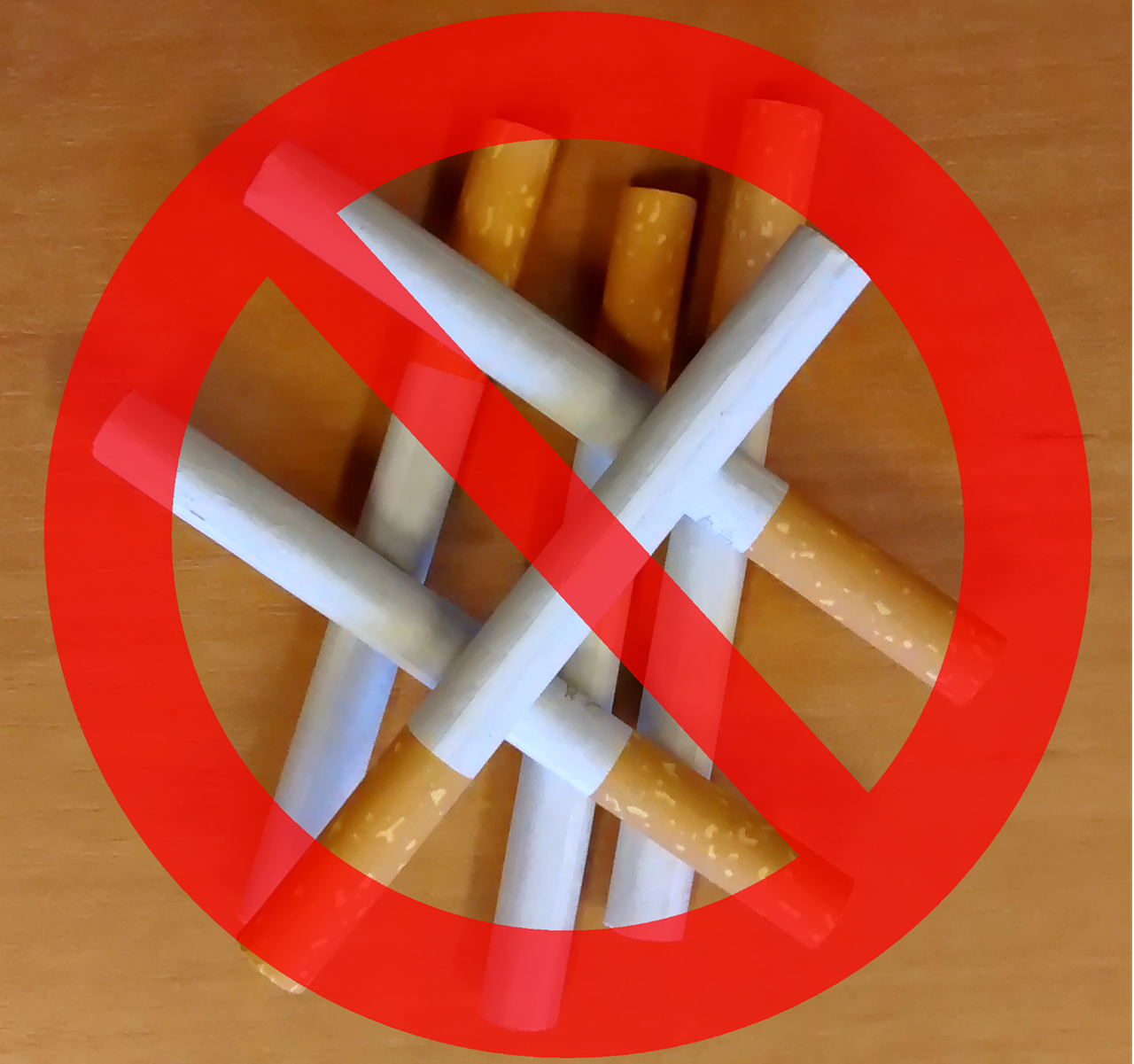
Making the decision to quit smoking is a major life change. Not only for yourself, but for your friends and family as well. Quitting smoking is one of the best choices you can make to improve your overall health, but it is also extremely difficult. Just the though of getting started can cause anxiety. But your chances of being successful increase if you get ready first. 

Set a date

Pick a date within 2 weeks to quit. That gives you plenty of time to get ready, but not too much time where you will loose motivation to quit smoking. Think about picking a special day, such as birthday or national event. If you smoke at work, quit on the weekend or during a day off. 

Make and share your plan

A plan will help you stay focused and motivated. This plan highlights your quit date, reasons for quitting, smoking triggers and the ways you plan on fighting cravings. You can build your own, or use Smokefree.gov for help.

Quitting is always easier with support. Let friends, family and co-workers know your plan and what they can do to help. Let them know things such as your mood may change, not to smoke around you, and to support you during this time.  

There will be challenges

No plan comes without challenges. The first few months will be difficult as you will be more tempted to go back to smoking. Especially when you are upset or stressed. It helps to be prepared and know what triggers your urge to smoke and plan how you will resist these urges. Triggers can include things like people, places, things and situations. Remember that you will experience withdrawal symptoms as a result of you giving up nicotine. This is normal and it will pass with time. 

Discuss your plan with your Doctor

Going cold turkey is not your only option. Talk to your doctor about your plan so they can go over the options that will work best for you. There are numerous prescriptions, gums or patches available that may make this transition earlier for you. 

Focus on the benefits of a smoke-free lifestyle

Within a few days of quitting, you may notices that your sense of taste and smell is improving. Your breathing will become easier and your smoker’s cough will lessen over time. Best of all, your decision to quit smoking will extend your life expectancy. 

Don’t be discouraged if you slip up. This is a difficult journey and it will take time. Do your best to stick to your plan and surround yourself with a good support system. Before you know it smoking will be a thing of the past and you will be a healthier you. 

Why You Need To Keep A Home Inventory

Home Inventory

Home InventoryYou protect your home with homeowners insurance in the event of a fire, theft or other catastrophe. In the unfortunate event you have to use your insurance, would you be able to provide a list of your belongings? Without a list it would be pretty hard. That is where a home inventory comes in to help. 

Though your homeowners insurance policy provides the protection that you need in the event of a loss, your policy can only pay for items that you can document. To protect your belongings, conduct a home inventory to record everything you own. Should a loss occur this inventory will assist you in quickly determining which items were destroyed or stolen. 

How should I conduct a home inventory?

Completing a full home inventory is simple. Walk through every room in your home and identify all of the contents. This can be done by making a list, taking photographs or even using our mobile app. If you make a list or take photos, make sure to keep them in a secure, fire safe location. Using our mobile app is easy and the information is stored electronically. You can even send a copy via .pdf to your insurance agent. 

Click Here to learn more about our mobile app. 

Click Here for a home inventory checklist

How does a home inventory list relate to my insurance policy?

A home inventory not only helps you in the event of a claim, but it can also help you determine if you have enough insurance coverage. Your coverage should equal the cost of your possessions at today’s prices. Items such as jewelry, furs and fine art should be appraised on a regular basis. This will help ensure you have enough insurance to cover their high-priced values. Also, these items may need to be covered by an extra endorsement or under a separate policy. Ask your agent for more details. 

Once your home inventory is complete, contact your agent at Rinehart-Walters-Danner Insurance to review your coverage and to provide a copy of your home inventory for safe keeping. 


What You Need To Know About A Health Savings Account

health savings account

health savings account


If your employer offers health benefits, there is a chance they offer a Health Savings Account compatible plan. You may be familiar with those type of plans, or it may sound like a different language. Don’t fret if you don’t understand. That’s where we come in. Below is a basic breakdown of an HSA.  

What is a Health Savings Account?

Also know as a HSA, a Health Savings Account is a savings account that you can use to pay for medial related expenses. It can be funded by tax-exempt dollars by your employer, by yourself or by anyone else on your behalf. The funds in the HSA account can help pay for eligible medical expenses not covered by an insurance plan. This can include copays, deductible, coinsurance and prescriptions. 

Who is eligible for a Health Savings Account?

In order to open and contribute to a HSA plan there are a few stipulations. You are eligible if you are: 

  • Covered by a high deductible health plan (HDHP)
  • Not covered under another medical plan that is not an HDHP
  • Not entitled to (eligible for AND enrolled in) Medicare benefits
  • Not eligible to be claimed on another person’s tax return

What is a HDHP?

A high deductible health plan is a plan with a minimum annual deductible and a maximum out-of-pocket limit that is set by the IRS. These limits change annually but for 2018 the limits are as follows:

    Type of Coverage         Minimum Annual Deductible       Maximum Annual Out-of-pocket 
Individual $1,350 for 2018 $6,650 for 2018
Family $2,700 for 2018 $13,300 for 2018

So how does it work?

Your high deductible health plan does not provide co-pays when you visit a Dr or pharmacy. That leaves you to pay the total expense of the visit or the prescription. Your claims will still be ran through your insurance company and most will be re-priced at the negotiated price from your insurance company. You can then use the funds in your HSA account to pay for those expenses. Most HSA accounts will offer checks or debit cards to make paying bills easy. The important thing is to make sure you are using those funds for qualified medical expenses. If you use the money for non medical expenses you will be subject to additional taxes and penalties. 

Click here to learn how your HSA works with Retirement.

A few more things.

Unlike other accounts, a HSA is not one that you have to use or loose by the end of the year. You can contribute money into this account and not touch it for years. It will just stay in the account until you need it. The IRS also puts yearly caps on how much you can contribute each year into your HSA. You can click here to learn more. 

If you have additional questions, we are are happy to help! 

Rinehart Insurance Is Bowling To “Spare-A-Little”

Spare A Little

Spare A LittleWhether you roll a strike, a spare, a split or a gutter ball; it doesn’t matter. The goal is to have a good time and raise funds for Mid-Ohio Youth Mentoring. On March 24th we will have about half our Rinehart Team doing their best to “Spare-A-Little”.

This event is a great way to have some fun and do some good, at the same time! This year marks the 22nd year for this annual event. Funds raised will help them provide youth in our community with a mentor that supports, encourages, and provides opportunities, that will help them achieve success in life. 

Do you want to do your part? Below is the event link where you can learn more, make a donation, or even have a team of our own. Happy Bowling!

Spare-a-Little for Kids bowling event. 

Driving Safe In Bad Weather, What You Need To Know

Driving safe in bad weather

Driving safe in bad weatherThis crazy Ohio weather can definitely be challenging to drive in. Rainy one day, snowy the next. Driving safe in bad weather is a must for Ohioans, regardless of the season. Do you know how to modify you driving during rain, snow or fog? What if we get the random tornado? If not don’t worry, we’ve put together some tips to keep in mind. 

Rain And Thunderstorms

  • Turn on your headlights, wipers and defroster to increase visibility.
  • Drive in the tracks of the vehicle ahead of you and reduce your speed.
  • Allow for increased space between your vehicle and the one in front of you.
  • If you hydroplane, hold the steering wheel straight and remove your foot from the gas.

Tornadoes

  • If you are driving in a tornado, get out of your vehicle and find shelter. If there is not a building nearby, lie in a ditch and place your arms over your head.

Snow, Sleet and Freezing Rain

  • Clean ice and snow off your windows, hood and trunk before departing.
  • Drive with extreme caution and at reduced speeds.
  • Do not brake quickly as you may spin out of control.

Fog

  • Slow down before you reach a patch of fog in front of you.
  • Use only your low beams or fog lights and put on your defroster and wipers to increase visibility.
  • If the fog is extremely thick, roll down all of your windows to hear other vehicles around you.

Taking extra precautions and following these tips will help keep you safe. Driving safe in bad weather is critical for your, and your family’s, safety. Share these tips with your friends and family today to help keep them safe. 

3 Reasons You Need To Purchase Flood Insurance

Flood Insurance1


A single inch of water from flooding can cause serious damage to your home and personal belongings. Melting snow, heavy rain, and even dam failure can put you risk. While there may be little you can do to prevent a flood, there is something you can do to help yourself. Purchasing a flood insurance policy adds an extra layer of insurance coverage in the event of a flood related loss.

However, not all water losses are considered flood damage. For losses to be covered under a flood insurance policy, the following definition of a flood applies:

A general and temporary condition of partial or complete inundation of two or more acres of normally dry land area or of two or more properties (at least one of which is your property) from: overflow of inland or tidal waters; and unusual and rapid accumulation.

Therefore, below are 3 reasons you need to purchase flood insurance.

1. The number one natural disaster in the United States is flooding

According to the Federal Emergency Management Agency (FEMA), flooding is the nation’s most common natural disaster. Twenty percent of flood claims are filed by people living in moderate- or low-risk areas. Flooding not only damages your property and belongings, it damages your financial security. Paying to fix damaged property and replacing belongings can quickly drain your hard earned savings.

2. A standard homeowners policy does not cover damage from flooding

Submitting a flood damage claim under your standard homeowners insurance policy will unfortunately result in a denial. Because flood damage is excluded, you will be left to foot the bill for any expenses incurred.

(Click here to learn more about a standard homeowners insurance policy).

Purchasing a separate flood insurance policy will cover losses caused by flooding. This could include things such as:

  • Structural damage
  • Furnace, water heater and central air-conditioning
  • Flood debris clean up
  • Electrical and plumbing systems

3. Federal Disaster Assistance is limited

Federal disaster assistance is only available if the president formally declares a disaster. Even if you do get disaster assistance, it’s often a loan that will require you to pay it back, with interest. As long as there is not a formally declared disaster, you are left to pay for clean up, fixing and replacing damaged property and belongings.

Stay protected

Flood insurance means you’ll be reimbursed for all of your covered losses. As long as your community participates in the National Flood Insurance Program (NFIP), you’re eligible to purchase flood insurance. In general, a policy does not take effect until 30 days after you purchase the coverage. However, if a lender requires flood insurance, in conjunction to making, increasing, extending or renewing your loan, there is not waiting period.

To learn more about flood insurance visit our page by clicking here. For more information on flood insurance coverage’s and premium costs click the link below or call our office today.

Flood Insurance


Please share this article if you found the information helpful. 

Do You Have A Healthy Thyroid?

Healthy Thyroid

Healthy ThyroidDid you know January is Thyroid Awareness Month? How is your thyroid health? Have you ever had yours checked? Don’t worry if you are unsure of the answers to those questions. We have some simple answers to put you on track to a healthy thyroid. 

What is a thyroid?

The thyroid is a small, butterfly shaped gland located at the base of the neck. It helps control the function of many important organs, including the heart, brain, liver, kidneys and skin. It mostly helps to set the metabolism. 

“An estimated 20 million Americans have some form of thyroid disease. Up to 60% of those with thyroid disease are unaware of their condition.” – American Thyroid Association

There are 2 types of thyroid diseases.

Hyperthyroidism

This disease refers to an overactive thyroid gland, which produces too much thyroid hormone. Symptoms include: 

  • Goiters
  • Enlarged thyroid
  • Rapid heart rate
  • Nervous, anxious or irritable behavior
  • Trembling hands
  • Unexplained weight loss
  • Heat intolerance
  • Increased sweating
  • Hair loss
  • Diarrhea 
  • Sleeplessness
  • Decreased menstrual flow or impaired fertility

Hypothyroidism

This disease revers to the under active thyroid gland, which produces less than the normal amount of thyroid hormone. This slows metabolism and the following may occur:

  • Fatigue
  • Unexplained weight gain
  • Dry skin and hair
  • Difficulty concentrating
  • Increased cholesterol
  • Intolerance to cold
  • Constipation
  • A heavier menstrual flow

Risk Factors

Risk factors for thyroid disease include.

  • Being female –  Women are five to eight times more likely to suffer from a thyroid disorder than men are. 
  • Age –  Thy Thyroid Foundation of America recommends that women get annual thyroid hormone level tests yearly starting at age 50. Men should as well beginning at age 60. 
  • A family history – If the disease runs in the family, testing every five years after age 35 is recommended.
  • Pregnancy – Thyroid conditions can arise after giving birth.

What can you do?

A healthy thyroid starts with early detection. Annual checkups and preventive visits are usually covered by your health insurance at no cost or a low copay to you. If a problem with your thyroid is detected, it can usually be treated with prescription drugs, radioactive iodine therapy and/or surgery. Together you and your doctor can determine the best treatment for your specific situation. 

Click here to learn more about health insurance. 

Please share this article if you found this information helpful. 


Mansfield’s Renaissance Theatre Is Celebrating A 90 Year Anniversary!

Renaissance Theatre

 One of those is also a local landmark, and they are celebrating their 90 year anniversary! Mansfield's Renaissance TheatreBeing a business member of a community not only means helping individuals with their needs, but helping out and recognizing fellow businesses for their accomplishments. Our community is fortunate to have numerous long standing businesses. One of those is also a local landmark, and they are celebrating their 90 year anniversary! Mansfield’s Renaissance Theatre opened January 19, 1928 in near blizzard-like conditions and is still open today. 

Anniversary Weekend Celebration

In honor of this anniversary, they are offering a special 90th Anniversary Weekend January 18th-20th. The celebration will include a showing of The Shawshank Redemption, an interactive Murder Mystery at the Ohio Theatre, and a 1920s garb celebration. 

You can find more information about the Renaissance Theatre and their events by visiting their website at: www.mansfieldtickets.com

All of us here at Rinehart Insurance say congratulations on this 90th Anniversary! 


The Key To Preventing Slips And Falls

Sips and falls

slips and fallsA janitorial employee was scrubbing the steps and floors with water and a cleaning agent. An observant worker realized that soon, dozens of employees would be going down these steps for their lunch break. This person then took the proper action to avert this potentially dangerous situation and set up a wet floor sign.

Do Your Safety Part

Slips and falls account for millions of work-related injuries every year, and an unguarded wet floor is just one of the many possible causes. It is important to spot unsafe conditions that could lead to slips and falls, and do what you can to prevent them.    

There are various ways to suffer slips and falls while working. You can slip and lose your balance, you can trip over objects left improperly in your walkway, or you can simply fall from an elevated position to the ground. To avoid slips and falls, be on the lookout for foreign substances on the floor, such as:

  • Deposits of water
  • Food
  • Grease or oil
  • Sawdust
  • Soap
  • Other manufacturing debris

Even small quantities are enough to make you fall.

Good Housekeeping Counts

When entering a building from outside or from debris areas, clean your footwear thoroughly. Snowy and rainy weather requires a doormat at each entrance to allow for complete wiping of shoes. Avoid running, walk safely and do not change directions too sharply. 

Beware of tripping hazards. Trash, unused materials or any object left in aisles designed for pedestrian traffic invites falls. Extension cords, tools, carts and other items should be removed or properly barricaded off. If equipment or supplies are left in walkways, report it so the proper personnel can remove it. Also, keep passageways clean of debris by using trash barrels and recycling bins.

Practice Prevention

Walk in designated walking areas. Short cuts through machine or other manufacturing areas can cause accidents. Concentrate on where you are going – horseplay and inattention leaves you vulnerable to unsafe conditions. Hold on to handrails when using stairs or ramps. They are there to protect you should a fall occur. If you’re carrying a heavy load that hampers your ability to properly ascend or descend stairs, use the elevator or find help.

The worst falls are from elevated positions such as ladders, and can result in serious injury or death. Learn and practice ladder safety and the proper use of scaffolding. For example, when climbing, use a ladder of proper length that is in good condition. Keep it placed on a firm surface. Do not climb a ladder placed on machinery, crates, stock or boxes. Keep the ladder’s base one foot away from the wall for every four feet of height. Don’t over-reach. Always have control of your balance when working from a ladder. Never climb a ladder with your hands full, and always transport tools in their proper carrying devices.

Slips and falls occur every day. The extent of injuries and their recurrence can be minimized through proper safety knowledge, good housekeeping and practicing prevention.